 RusPhotoBank

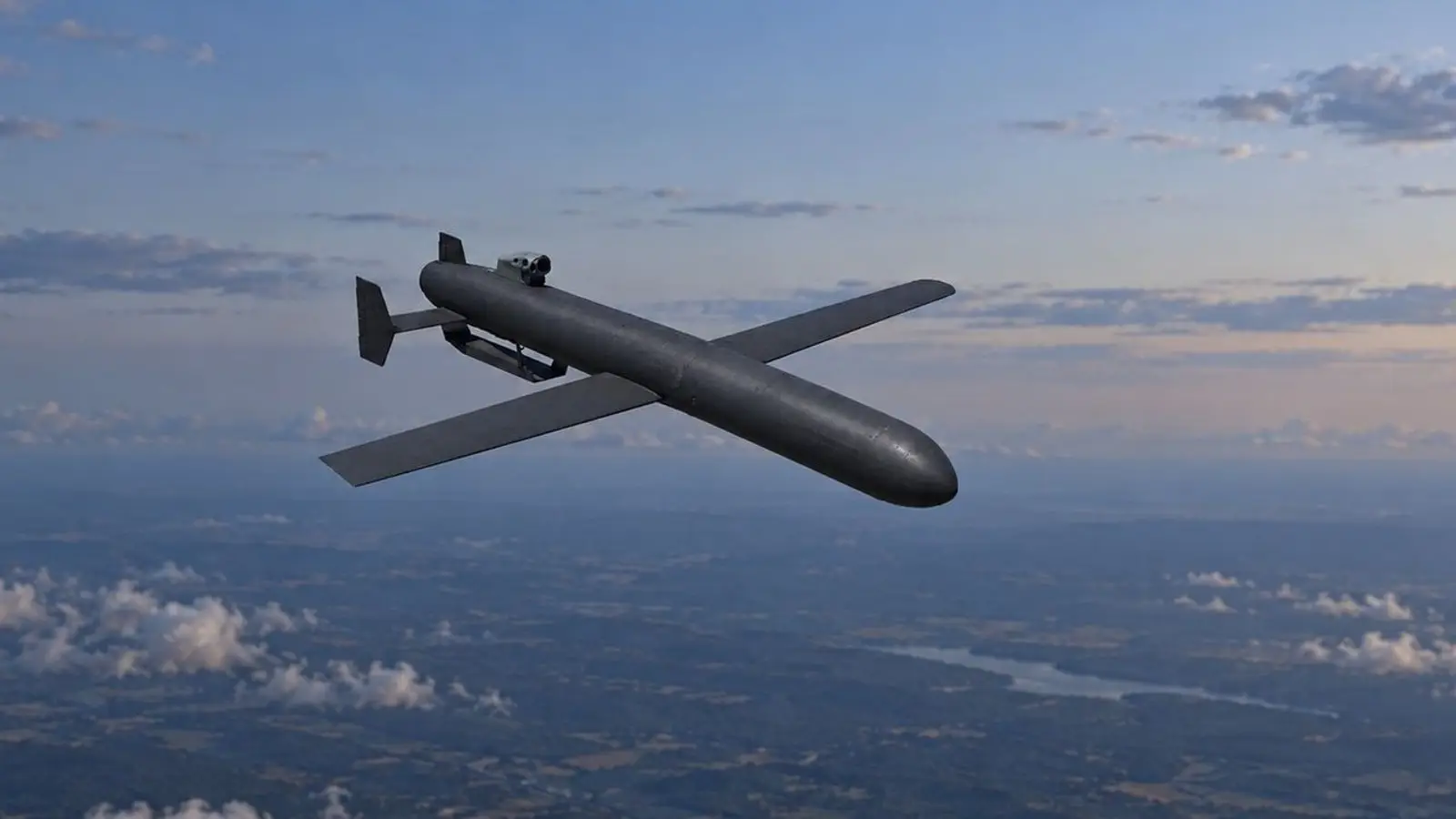
The Russian military is preparing to deploy a new long-range strike weapon designated Geran-6, according to military expert Valery Shiryaev, who shared information about the prospective weapon’s characteristics in his video blog.
Shiryaev said the new weapon would be a large, high-speed missile, smaller than Ukraine’s Flamingo missile but equipped with a more powerful engine. He also stated that its key components would be manufactured domestically in Russia.
According to the expert, the Geran-6 is expected to combine an extended operational range with a significantly lower cost than its Ukrainian counterpart.
Shiryaev also discussed the potential weight of the missile’s warhead. He compared the prospective Geran-6 with four American missiles that had recently fallen, stating that their payloads exceeded 200 kilograms. He suggested that the Geran-6 could carry an even heavier payload.
The military analyst linked the development of the new weapon to broader preparations by both sides for the next stage of aerial warfare. In his assessment, the coming winter will be a period of accumulating strike weapons and introducing new technological solutions, with the results becoming apparent in spring and summer.
Shiryaev recalled that Ukrainian forces had built up substantial drone stockpiles during the previous winter before launching large-scale attacks in April. The unexpected scale of those strikes marked a significant change in the use of unmanned aerial weapons. Volodymyr Zelensky described that campaign as a form of coercion.
The expert believes that Russia will similarly use the winter months to advance its aerial strike capabilities, including a gradual transition to jet-powered systems.
Shiryaev expects the extent of Russia’s shift toward jet propulsion to become evident by the summer, when new weapons developed during the winter may begin to emerge.
He concluded that both Russia and Ukraine would continue developing and expanding the production of new aerial attack systems, with the results of these efforts becoming visible over the following months.