 RusPhotoBank

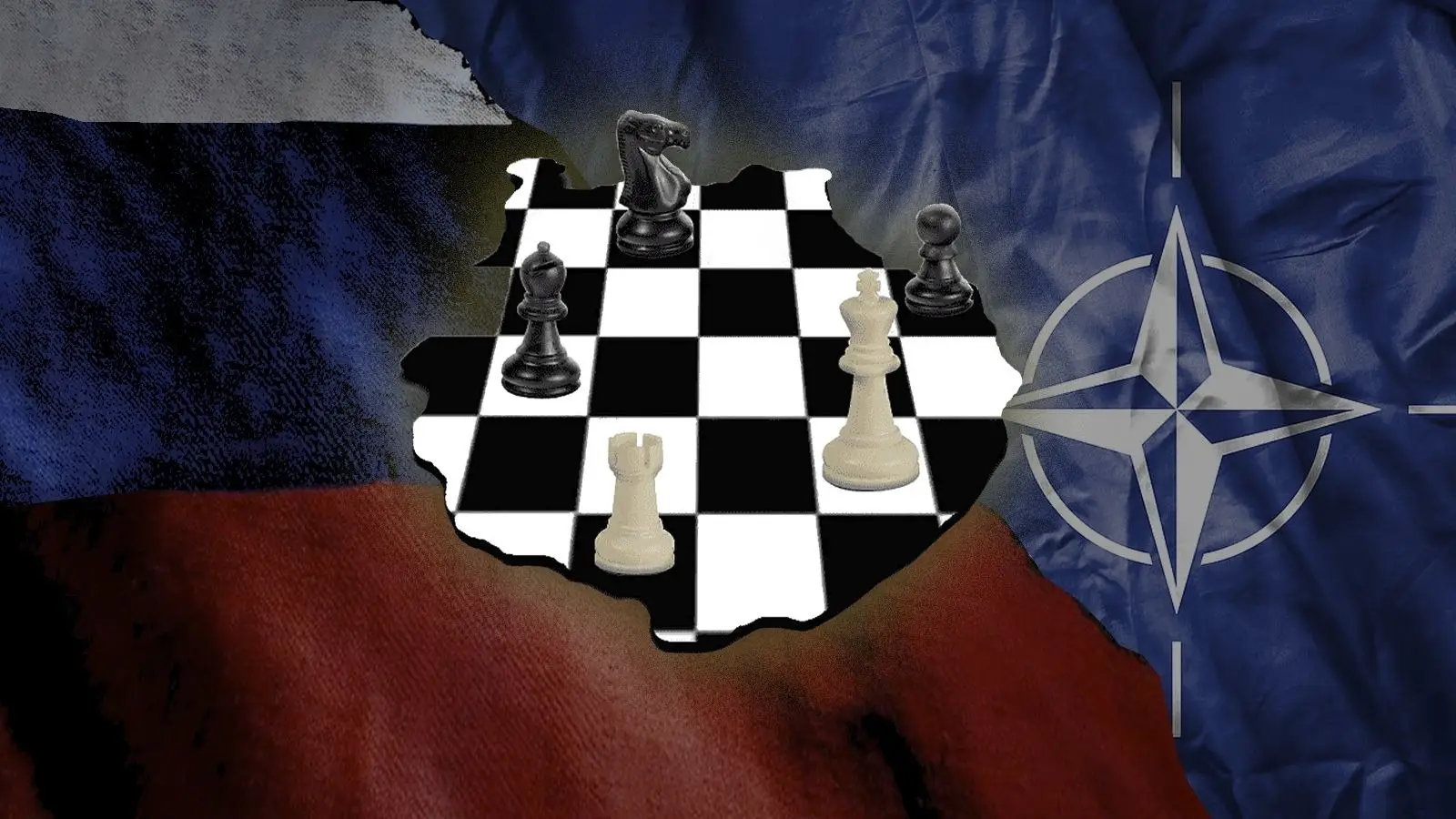
Russia has reportedly renewed its demands for NATO to withdraw its forces from Eastern Europe and abandon further expansion. According to The New York Times (NYT), Moscow outlined these conditions in a document presented during negotiations in Abu Dhabi on November 10–11.
Two sources confirmed the document’s authenticity to the American newspaper. The proposals set out Moscow’s vision for a new European security framework and closely resemble the demands Russia presented in December 2021, shortly before the start of its military operation in Ukraine.
At the heart of the document is a demand to restore NATO’s military presence to its 1997 configuration. This would require the alliance to withdraw troops and military infrastructure from its eastern flank, including Poland and the Baltic states.
Moscow also wants NATO to halt further enlargement and end military activities in Ukraine, Eastern Europe, Central Asia and the South Caucasus.
The proposals place additional restrictions on Western military cooperation with Kiev. Russia is demanding an end to Western arms deliveries to Ukraine while drawing a distinction between the country’s potential membership in the European Union and its involvement in European defense initiatives.
Under the proposed terms, Moscow would not oppose Ukraine joining the EU but would insist that Kiev remain outside European defense programs.
The document also addresses nuclear security. According to the NYT, Russia wants France and Britain to stop extending their nuclear guarantees to other European countries.
Dated November 10, the document reportedly represents Russia’s unofficial negotiating position rather than a formal agreement.
Polish Prime Minister Donald Tusk strongly rejected Moscow’s proposed terms, warning that accepting them would threaten Poland’s national security.
The reported demands follow earlier remarks by Russian presidential aide Yuri Ushakov, who recalled the security proposals Moscow submitted to Western countries in 2021. Ushakov maintained that those initiatives reflected Russia’s approach to establishing an indivisible European security system.