 © B. Naumkin

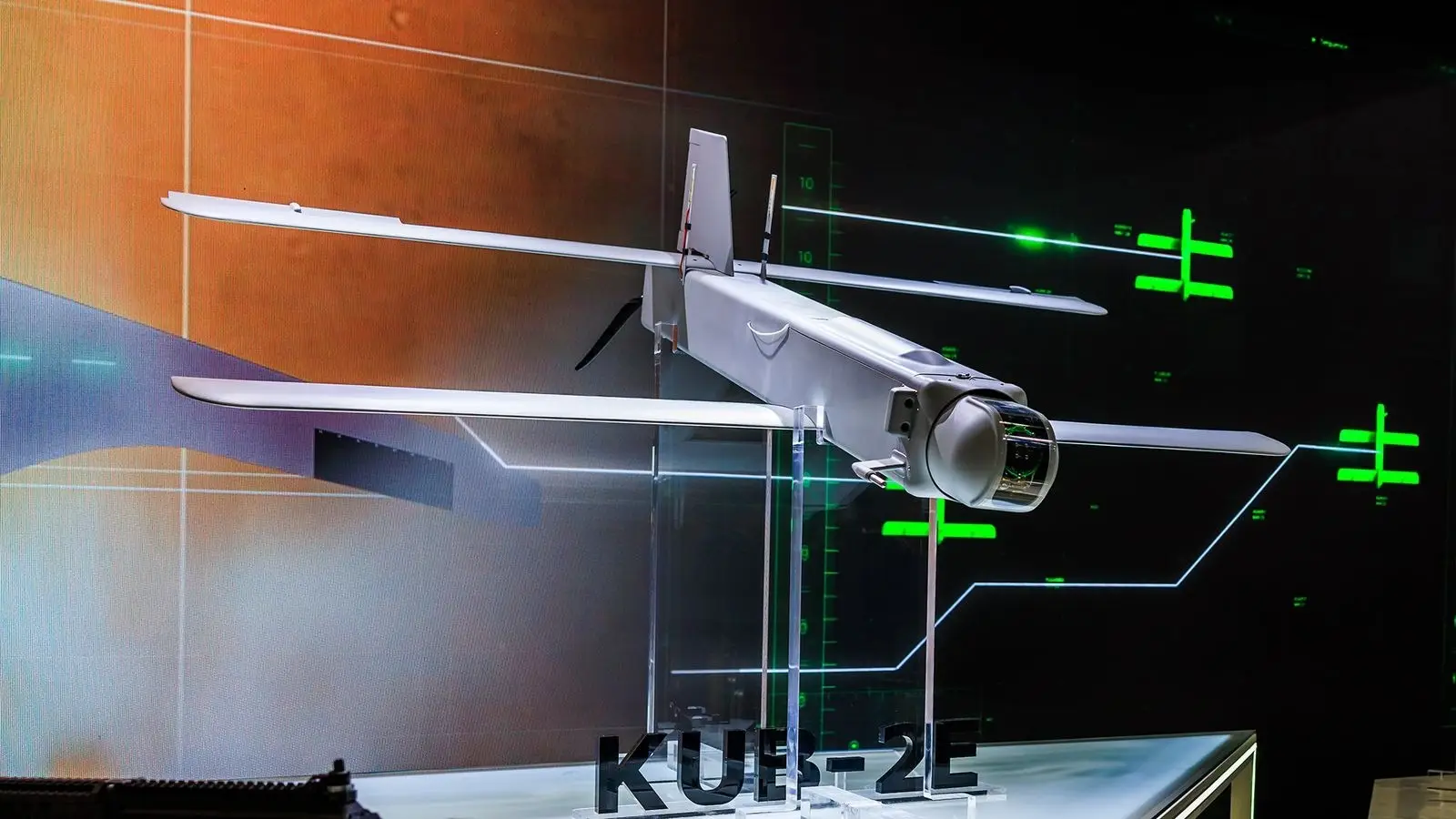
Intercepting Russia’s KUB-2 loitering munition can be an expensive victory for the defending side. According to state corporation Rostec, the drone costs significantly less than the air defense missiles used to shoot it down, allowing Russian forces to inflict financial losses on the enemy even when the aircraft is successfully destroyed.
Rostec compared the situation to using anti-aircraft guns to kill mosquitoes. The company argues that the enormous cost difference turns each interception into an economic burden, making the KUB-2 a tool for systematically draining enemy resources.
The financial damage becomes even greater when the munition reaches its target. Destroying an anti-tank missile crew or an armored vehicle with a comparatively inexpensive drone creates a particularly unfavorable exchange for the opposing side. Rostec likened this imbalance to sacrificing a pawn to capture a queen in chess, describing it as part of a broader strategy of economic attrition.
Russian troops are deploying the KUB-2, developed by the Kalashnikov Concern, which is part of Rostec, during the special military operation. The weapon is used against a wide range of targets, including mortar positions and their crews as well as small watercraft. It frequently operates alongside lightweight reconnaissance drones such as the Skat.
The KUB-2 is equipped with an electro-optical guidance system that enables automatic target acquisition and continuous tracking in real time. Rostec puts the munition’s operational effectiveness at 95%.