 © Сайт Минобороны России / mil.ru

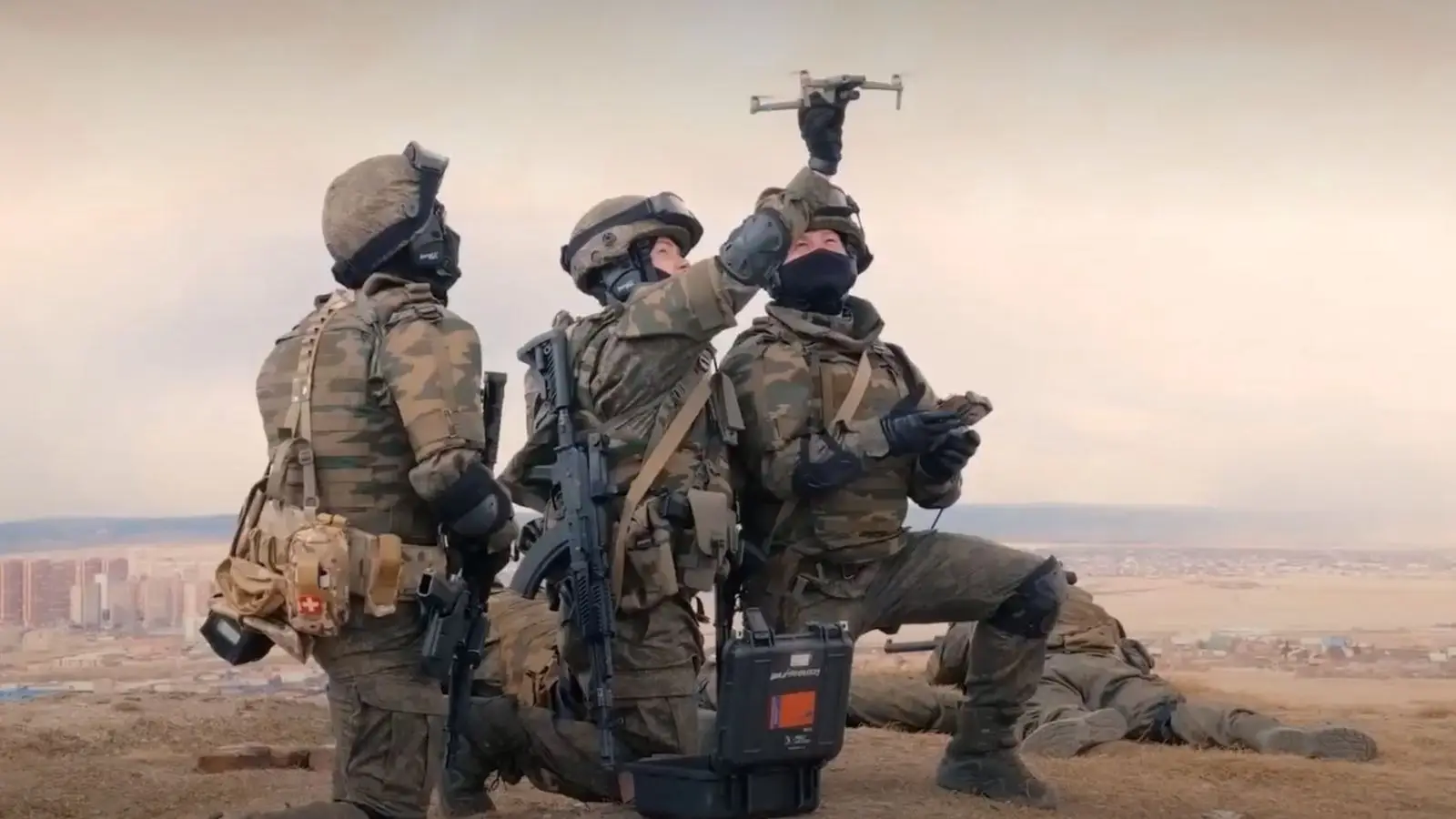
Russian Armed Forces have begun using a new method of coordinating attack drones in the special military operation zone. Known as tandem flight, the tactic allows two unmanned aerial vehicles to operate together before striking separate targets, according to Izvestia.
The approach involves a Molniya-2 fixed-wing drone carrying an FPV drone to the designated combat area. Once deployed, both aircraft can operate independently, allowing their operators to engage different targets.
The Molniya-2 retains its own strike capability after releasing the smaller drone. Meanwhile, the FPV aircraft can remain in the target area, assess the results of an initial attack and launch a follow-up strike if necessary. If the original target has already been destroyed, the operator can search for another objective.
Military expert and air defense historian Yuri Knutov explained that the tactic extends the operational range of FPV drones and enables coordinated attacks against targets in the enemy’s near rear. It also allows several targets to be struck in quick succession, with minimal intervals between attacks.
According to Knutov, the Molniya-2 effectively serves as a mothership, transporting smaller kamikaze drones into areas they would otherwise be unable to reach independently. This gives Russian forces the ability to conduct concentrated strikes beyond the conventional operating range of FPV aircraft.
Another advantage is improved targeting accuracy. By allowing drones to spend more time in the operational area, the system gives operators additional opportunities to locate, identify and select targets before launching an attack.
Knutov also noted that the tactic is not limited to strikes against defensive positions. The drones can carry shaped-charge, fragmentation and thermobaric warheads designed to engage enemy equipment and personnel, including troops positioned in trenches and fortified structures.
The tandem approach also creates opportunities to increase the payload carried by FPV drones. Since the smaller aircraft no longer needs to cover the entire distance to its target using its own power, the energy saved during transport can instead be used to carry heavier munitions.