 RusPhotoBank

The United States and Russia are expected to oppose the launch of negotiations on legally binding restrictions for autonomous weapons powered by artificial intelligence. The issue will be a central focus of talks beginning in Geneva on November 16, Reuters reported, citing diplomatic sources.
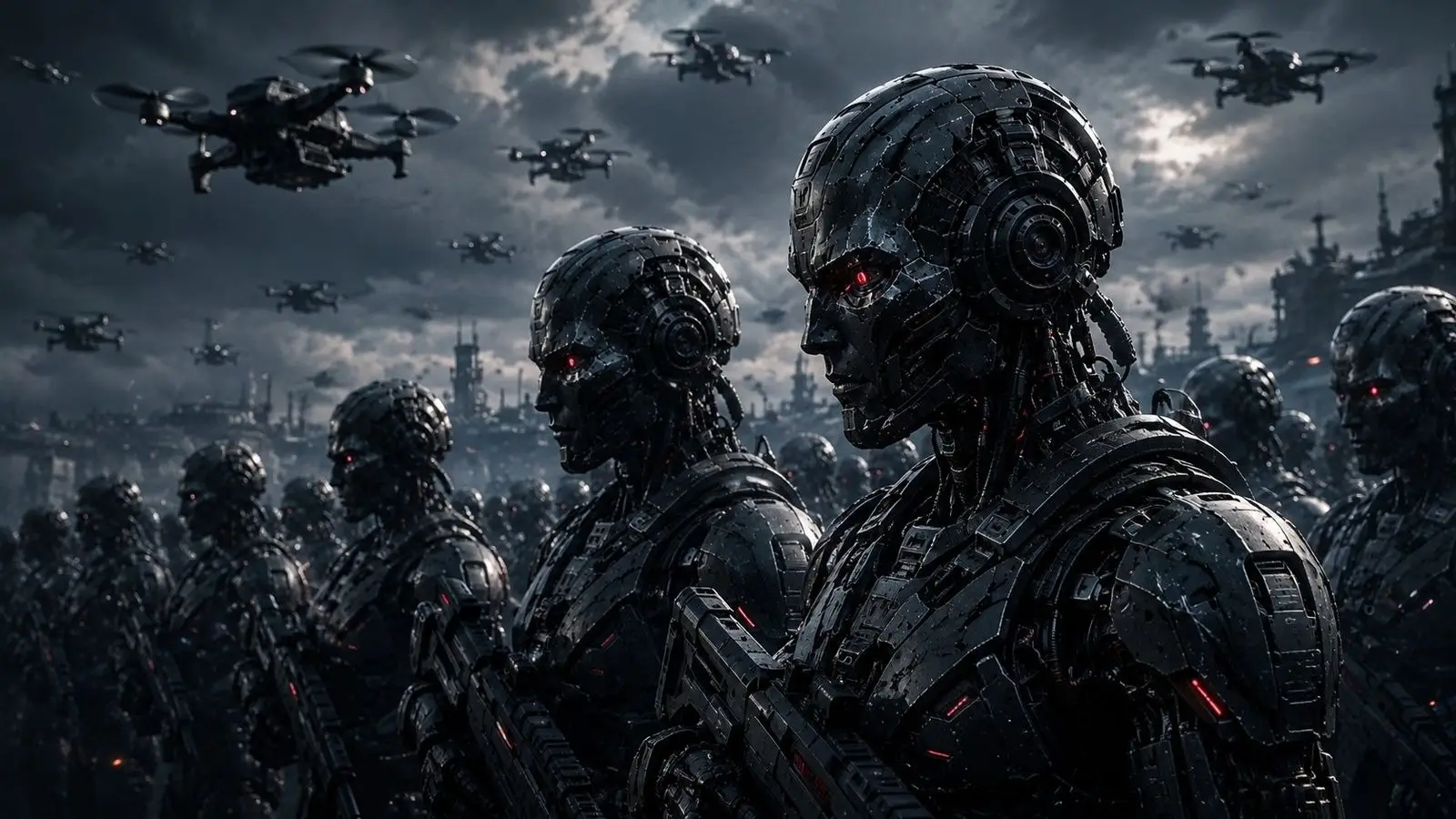
Rapid advances in AI have accelerated the development of military equipment capable of carrying out combat missions without direct human involvement. Such technologies are being integrated into drones, robotic systems, tanks, submarines and other weapons platforms.
Semi-autonomous weapons using artificial intelligence have already been deployed in conflicts in Ukraine, Sudan and the Middle East, raising concerns about the risks associated with their use.
The UN-backed meeting will determine whether countries should begin drafting an international agreement establishing prohibitions and restrictions on lethal autonomous weapons systems.
Most of the 128 countries participating in the Convention on Certain Conventional Weapons support moving toward binding regulations. However, major military powers, including the United States, Russia and Israel, oppose the initiative, arguing that existing international humanitarian law already provides sufficient safeguards.
Two diplomats told Reuters that negotiations are likely to be difficult, although a compromise could still emerge before the end of the week.
Several options remain under consideration, ranging from a legally binding international agreement to nonbinding guidelines or a framework combining elements of both approaches.
Russia has not formally outlined its position ahead of the Geneva meeting. However, a senior Western diplomat claimed that Moscow intends to block the European Union from addressing the participants. The EU is attending the discussions as an observer.
Washington favors voluntary principles rather than enforceable international rules. The United States has proposed a five-year process to develop a document that would carry no legal obligations.
The meeting’s chair has put forward a considerably more ambitious timetable, calling for a binding protocol to be negotiated within two years.
Supporters of stricter controls warn that autonomous weapons could behave unpredictably, potentially resulting in fatal errors during military operations.
The International Committee of the Red Cross has also raised concerns about the limitations of existing international humanitarian law, arguing that current rules do not fully address the distinctive characteristics and potential dangers of autonomous weapons systems.