 © North Atlantic Treaty Organization / www.nato.int

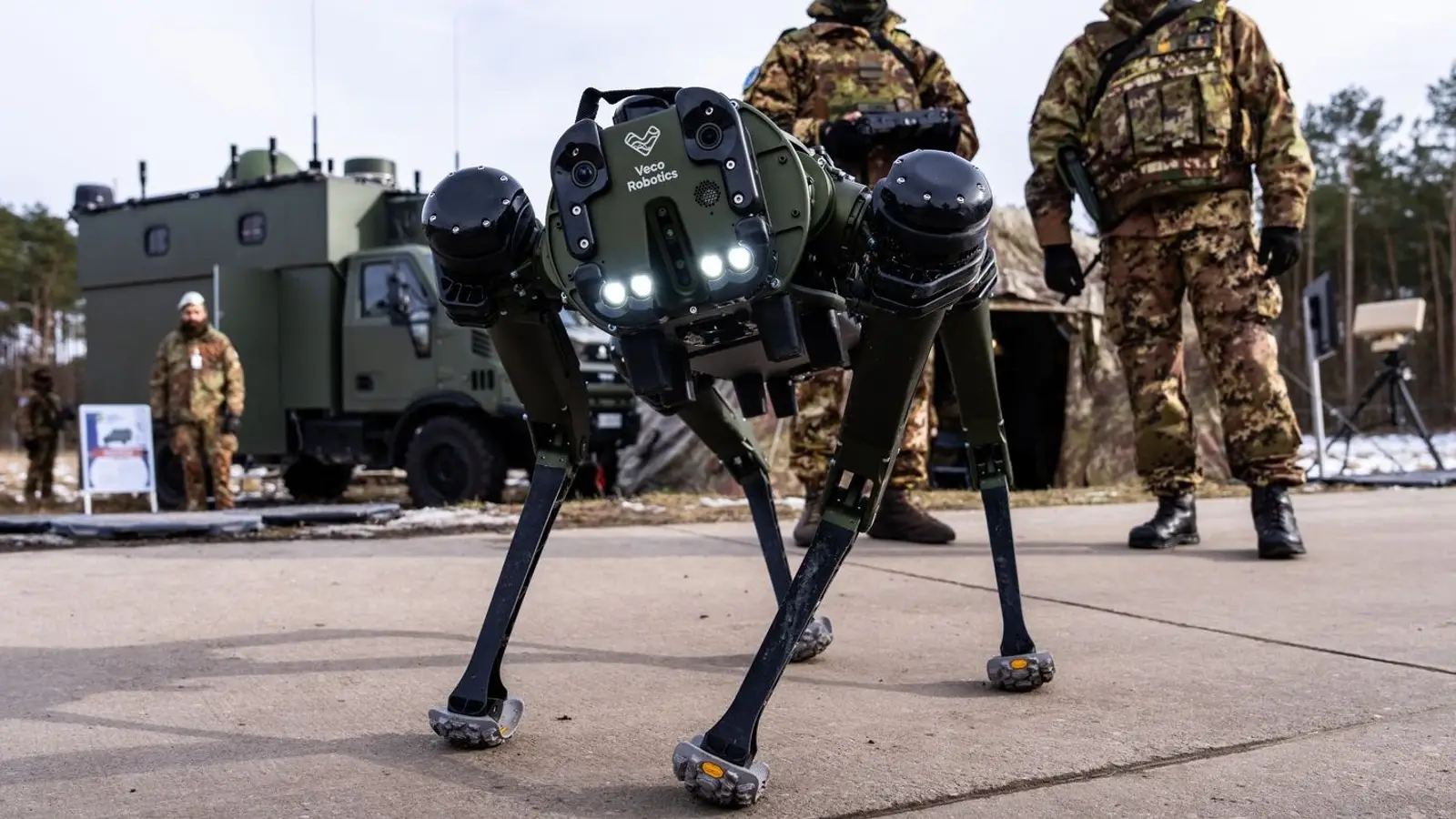
The US Defense Advanced Research Projects Agency, better known as DARPA, is continuing to refine artificial intelligence technologies for military unmanned platforms. During trials at Fort Knox in Kentucky, four ground robots showed they could move independently, survey terrain and detect potential targets without relying on GPS.
During the exercise, the robotic vehicles patrolled the area while building a map of the terrain using onboard sensors and cameras. They then transmitted the collected data to an operator positioned under cover.
When a suspicious object was detected, such as another unmanned platform, the robot stopped and waited for further instructions. The operator reviewed the incoming images and personally decided what should happen next.
The key feature of the trial was the robots’ ability to function without satellite navigation. The US military is preparing for scenarios in which GPS signals may be jammed by an adversary’s electronic warfare systems or may be unavailable altogether.
To address that challenge, DARPA specialists developed software that allows the machines to navigate using only data from their own cameras and sensors, creating a map of the surrounding area as they move. The technology was tested on both wheeled and tracked robotic platforms to evaluate how it performs on different types of chassis.
DARPA technical adviser Jason Gregory said the goal was to push sensors and strike capabilities to the front line while keeping the operator out of harm’s way.
Despite the high level of automation, the final decision still remains with a human operator. The robots can move on their own and identify objects, but any further action requires human involvement.
The tests were carried out under the RACER program, which has been running for five years. During that time, the Pentagon has devoted substantial resources to studying autonomous navigation, artificial intelligence algorithms and the mobility of unmanned ground vehicles. At the same time, the US military has been closely examining the experience of the conflict in Ukraine, with particular attention to the use of robotic systems, including in assault operations and the seizure of positions.