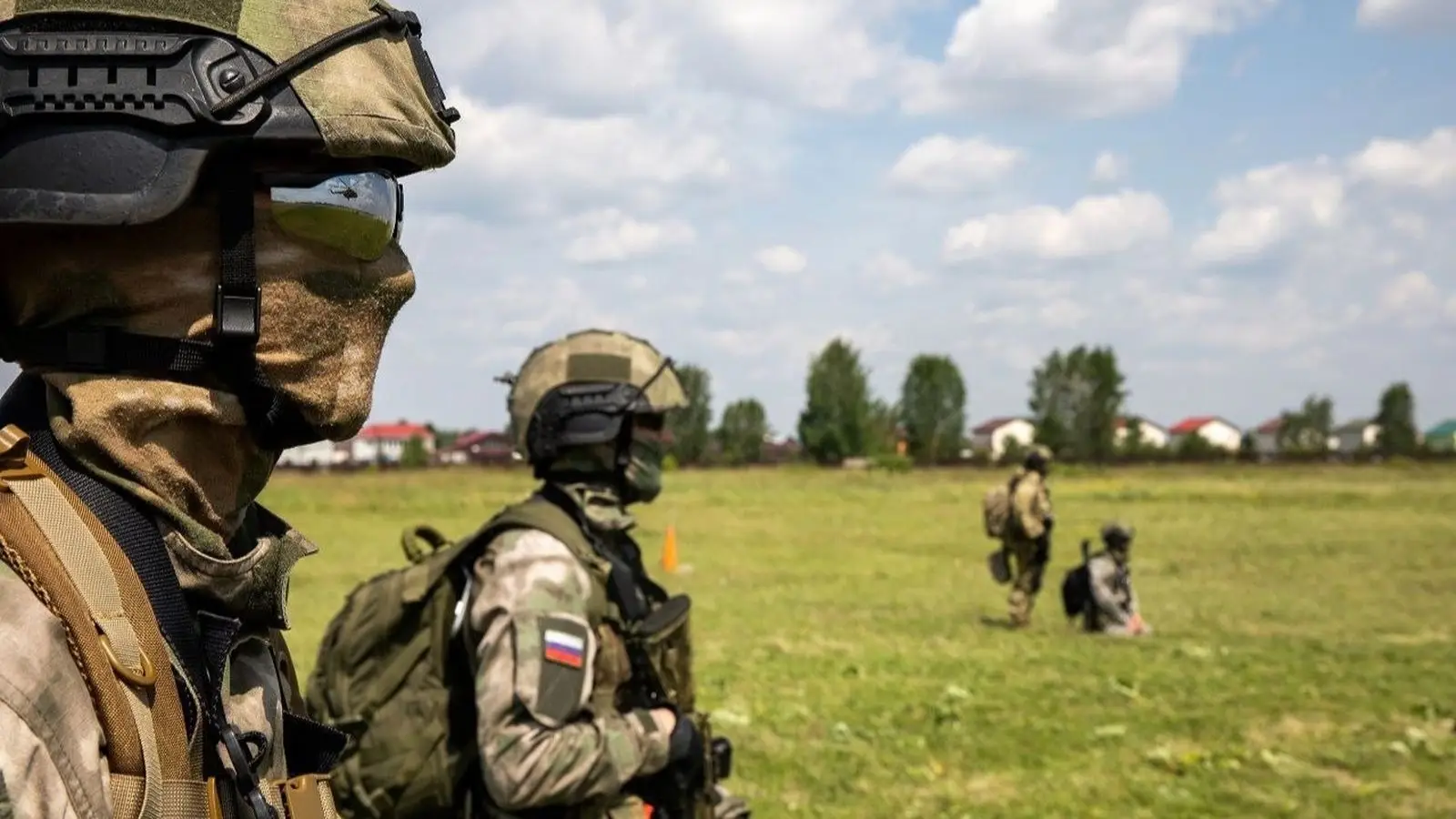
 © Росгвардия / t.me/RosgvardOfficial

The declining number of infantry troops stationed on the front line in the Ukraine conflict does not mean the Russian military needs fewer personnel. Modern warfare increasingly depends on large networks of specialists operating behind forward positions, according to Mikhail Zvinchuk, a military analyst and head of the Rybar analytical center.
Zvinchuk explained why the Russian Armed Forces continue to require a steady influx of contract soldiers despite major changes in battlefield tactics.
He noted that large fortified positions, which previously accommodated dozens of troops, have largely been replaced by small assault teams consisting of just two or three soldiers.
However, the reduction in personnel directly involved in frontline operations has not eased the military’s overall manpower requirements. Supporting, supplying and protecting these small units demands an extensive logistical and operational network spread across the second, third and fourth lines of the front.
According to Zvinchuk, operating even a single drone requires an entire team of specialists working behind the scenes.
Beyond the drone operators themselves, reconnaissance personnel, communications specialists, technicians, battery and generator maintenance crews, and drivers all contribute to keeping unmanned aircraft operational.
Mobile fire teams also play a crucial role in protecting supply routes from enemy drones, adding another layer of personnel requirements to modern battlefield logistics.
Zvinchuk placed particular emphasis on soldiers known as «camels», who carry ammunition, food and water to forward positions inaccessible to unmanned ground vehicles.
His assessment highlights how the shift toward smaller frontline assault groups has increased the importance of support personnel, leaving the Russian military dependent on continued recruitment even as fewer soldiers occupy individual combat positions.