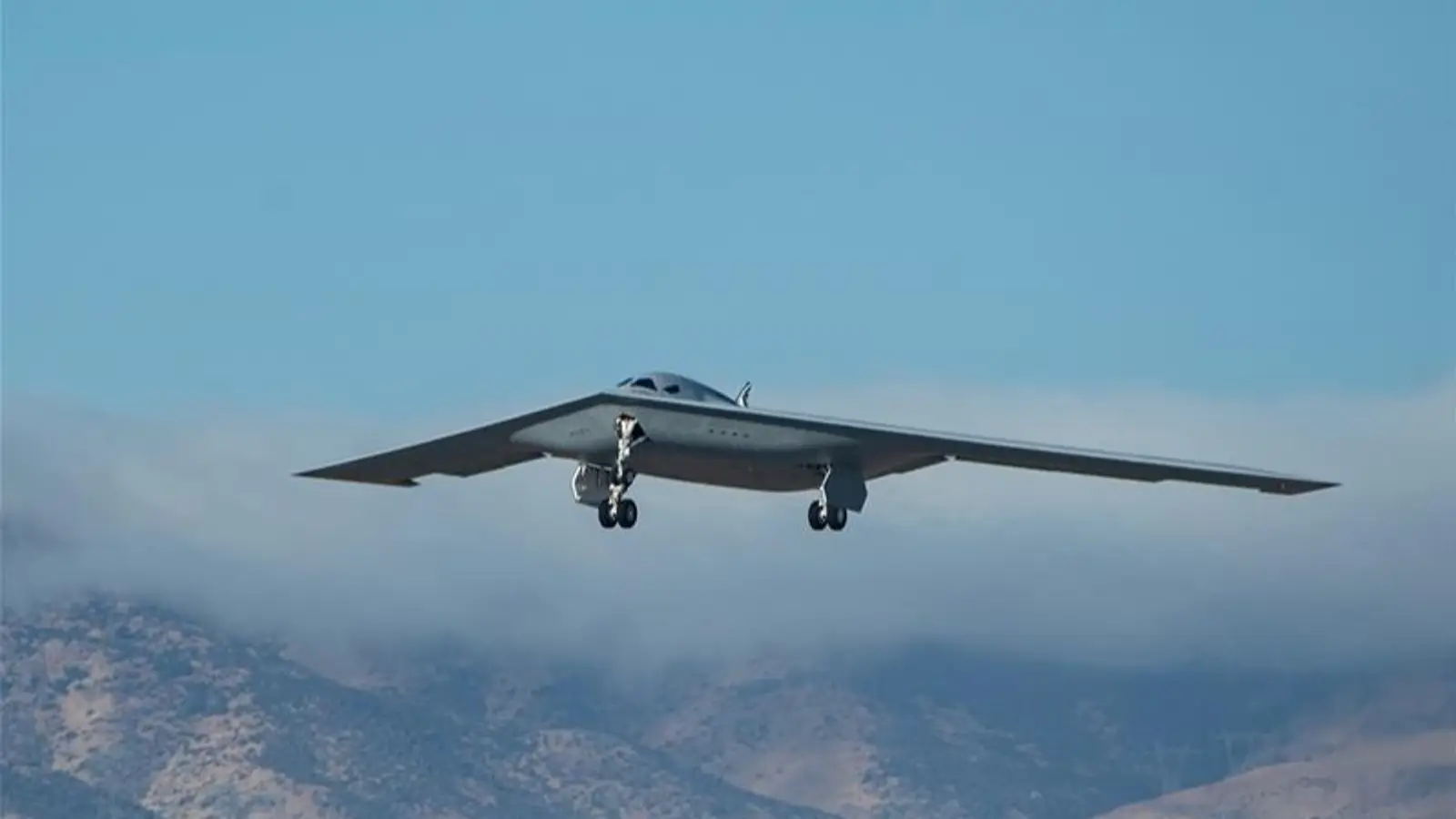


The US Air Force is preparing to replace its B-2 Spirit strategic bomber with the next-generation B-21 Raider. Developed by Northrop Grumman, the new aircraft will retain its predecessor’s stealth capabilities while introducing advanced digital technologies and improved coordination with other military platforms, according to Naked Science.
The B-2 was originally designed during the Cold War to penetrate Soviet air defenses and strike strategic targets. Its maiden flight took place in July 1989, and the aircraft entered operational service in 1997. The bomber’s distinctive flying-wing design, composite materials and specialized coatings help minimize its radar signature.
Powered by four General Electric F118 engines, the Spirit has a wingspan of 52 meters and can travel more than 11,000 kilometers without refueling. Its maximum weapons payload reaches 27,216 kilograms. The aircraft carries both conventional and nuclear weapons, including GBU-57 bunker-busting bombs. In June 2025, these 13-ton munitions were used against Iranian nuclear facilities during Operation Midnight Hammer.
Despite its capabilities, the B-2 remains expensive and demanding to maintain. Preserving its stealth performance requires regular inspections and restoration of specialized coatings, making operational readiness a persistent challenge.
The B-21 Raider has been designed to address these shortcomings. Like the Spirit, it features a flying-wing configuration and internal weapons bays. However, improved materials, digital engineering and more advanced engine integration are intended to simplify maintenance and reduce operating demands. The new bomber is designed to deliver conventional and nuclear strikes against heavily defended targets.
One of the Raider’s most significant advances is its open-systems architecture. Engineers will be able to upgrade software, integrate additional sensors and introduce new weapons without extensively redesigning the aircraft. This flexibility will allow the B-21 to adapt as radar technology, electronic warfare systems and air defenses continue to evolve.
Another major difference lies in how the aircraft will operate during military missions. The Raider is being developed to share information with intelligence and surveillance platforms, communications networks and electronic warfare systems. Rather than functioning primarily as an independent strike aircraft, it will operate as part of a connected military network.
However, a direct comparison between the two bombers remains difficult. The US Air Force has not disclosed the B-21’s exact speed, operational range, weapons capacity or radar signature, keeping much of its performance classified.
The Raider is still undergoing flight testing and has already demonstrated aerial refueling with a KC-135 Stratotanker. The first operational aircraft is scheduled to arrive at Ellsworth Air Force Base in South Dakota in 2027. The US Air Force plans to purchase at least 100 B-21 bombers, although military officials have discussed expanding the fleet further.
Meanwhile, the B-2 Spirit will remain in service as the transition progresses. The US Air Force intends to continue maintaining and upgrading its existing aircraft until their replacement is ready.
The B-21 represents the next stage in American strategic bomber development, combining the stealth characteristics established by the Spirit with adaptable digital systems, improved maintainability and closer integration with other military assets.