 RusPhotoBank

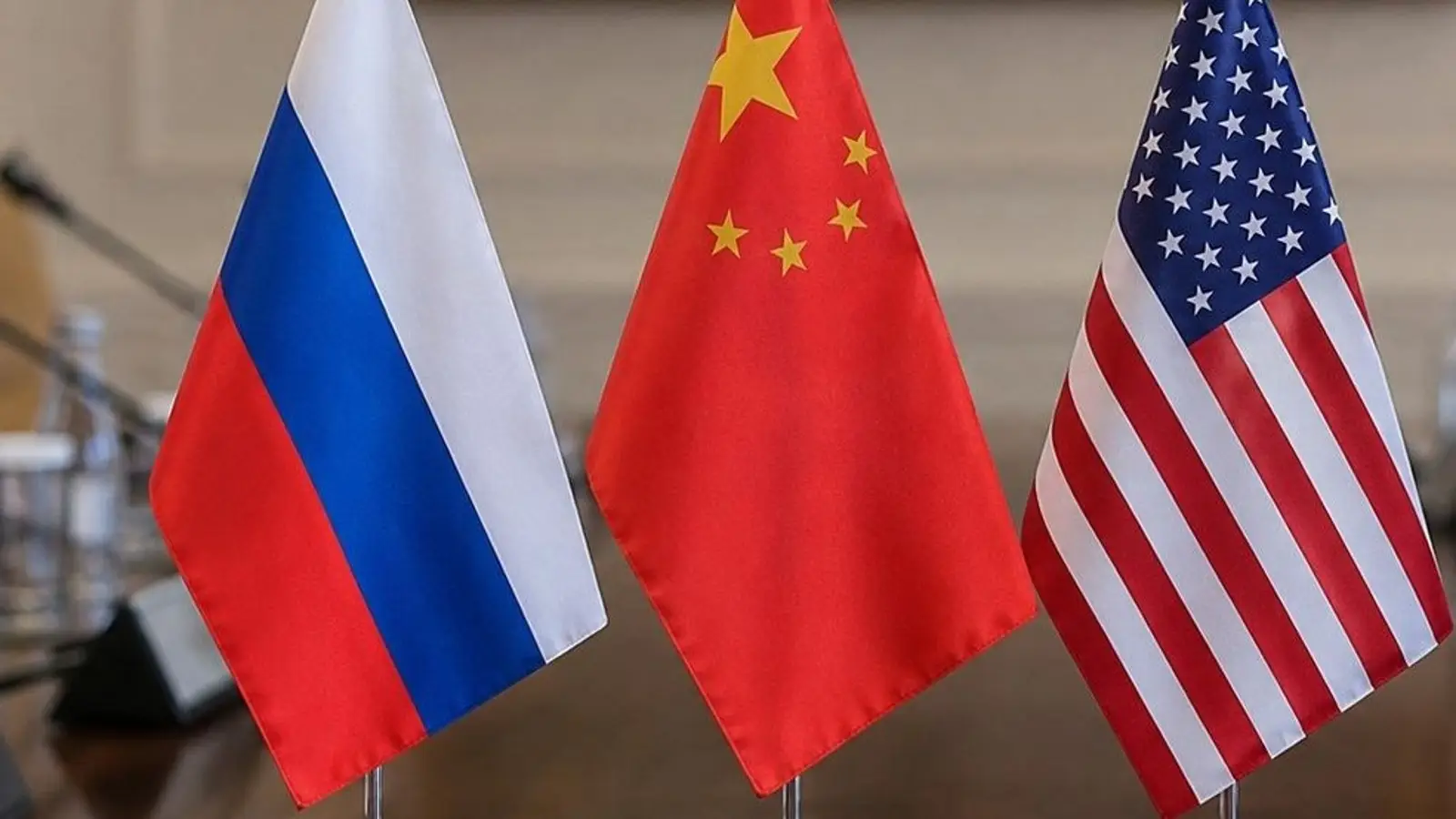
The upcoming talks between Russia, China and the United States could provide a crucial opportunity to halt and reverse the global nuclear arms race. Daryl Kimball, executive director of the US-based Arms Control Association, told TASS that the meeting of the three world leaders could help change the current trajectory of nuclear weapons development.
Russian President Vladimir Putin, Chinese President Xi Jinping and US President Donald Trump are scheduled to meet on November 19 in Shenzhen, China, during the Asia-Pacific Economic Cooperation (APEC) summit. Trump has already announced plans to raise the issue of denuclearization during the discussions.
However, Washington has yet to clarify what it hopes to achieve through these negotiations. According to Kimball, the Trump administration has neither outlined a detailed strategy nor specified the agreements it intends to pursue with Moscow and Beijing. Although the US State Department has recently offered some indications of its approach, the administration’s ultimate objectives remain undefined.
The uncertainty is compounded by differing positions within Washington. While Trump favors a three-way discussion on nuclear weapons, the State Department is pushing for a broader diplomatic framework. Its proposal involves all five nuclear-weapon states recognized under the Treaty on the Non-Proliferation of Nuclear Weapons (NPT), with negotiations conducted through the existing consultation mechanism of the five permanent members of the UN Security Council.
Despite these differences, Kimball stressed that further progress on arms control and nuclear disarmament remains essential. The issue has become particularly significant following the expiration of New START, the Russian-American treaty limiting strategic offensive weapons, on February 5. Since the agreement expired, the United States has failed to define what it wants to accomplish in nuclear arms control through direct talks involving the three leaders.
The Arms Control Association, headed by Kimball, was established in 1971 and is headquartered in Washington. It is among the most prominent US nongovernmental organizations advocating international nuclear disarmament and stronger nuclear nonproliferation mechanisms.