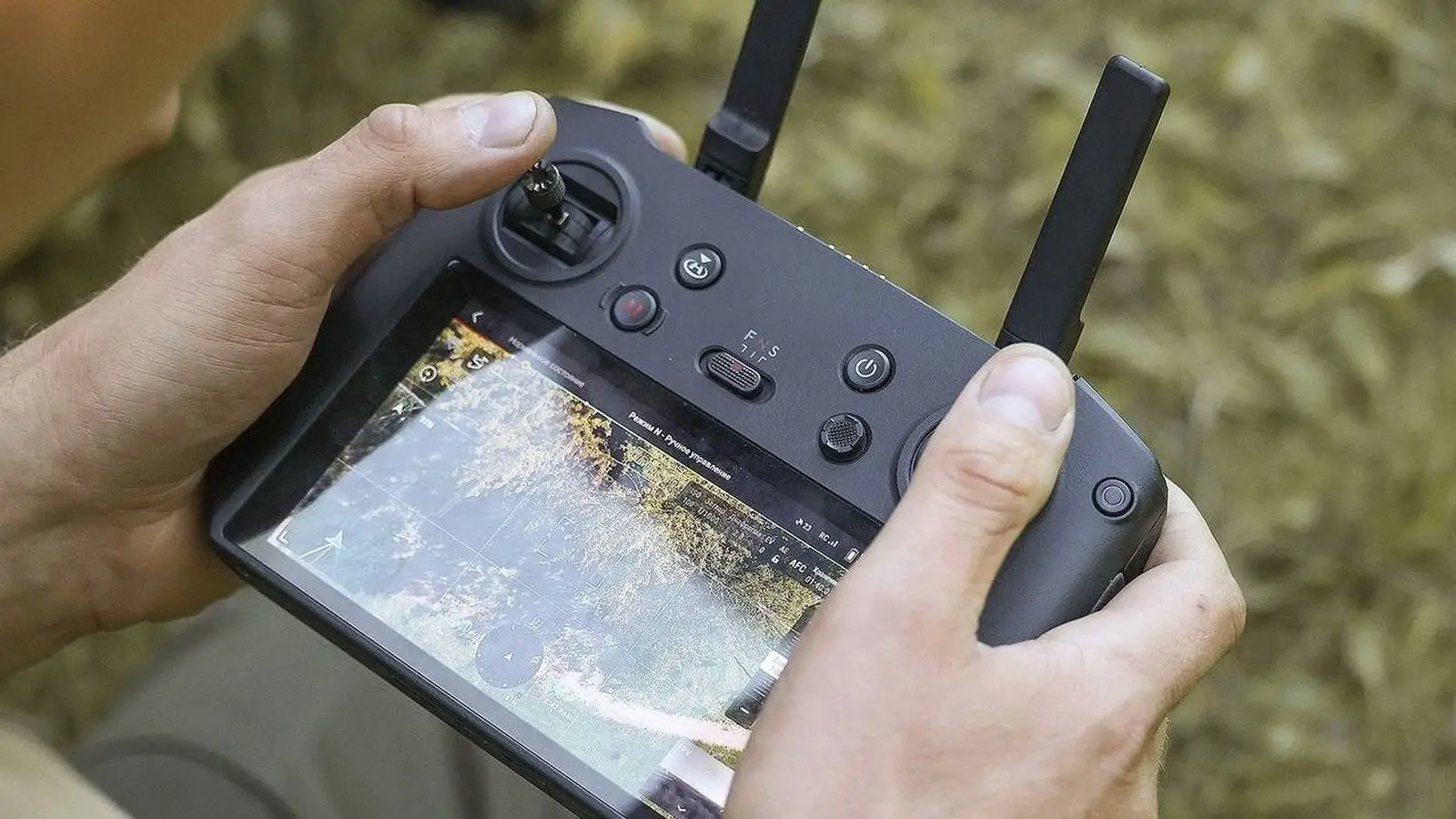
 © Официальный канал внутренних войск МВД Беларуси / t.me/vvmvdrb

Russia’s new Kokoshnik interceptor drone, equipped with an intelligent guidance system, has successfully completed testing at a military range and is now ready for evaluation under combat conditions, according to Alexander Barashkov, head of Gagarin. Electronics Laboratory.
In an interview with TASS, Barashkov confirmed that the company had completed the full program of field trials and was prepared to move forward with testing the unmanned aircraft in an operational environment.
The Kokoshnik was initially designed to destroy airborne targets through kinetic interception, relying on direct physical impact. However, developers subsequently decided to produce another version fitted with a warhead.
Barashkov identified the protection of strategically important infrastructure and industrial facilities across Russia as one of the interceptor’s primary missions.
A key advantage of the Kokoshnik is its ability to engage hostile drones at altitudes where conventional small arms become ineffective.
According to the company executive, some enemy fixed-wing drones attempt to evade Russian air defense units by flying above 500 meters. The new interceptor is designed to detect and destroy aerial targets operating at such heights.
Unlike conventional firearms, which require shooters to account for ballistics and calculate the necessary lead when engaging moving targets, the Kokoshnik uses an intelligent guidance system to handle these calculations automatically. Barashkov explained that the operator only needs to press a button to initiate the engagement.
The company tested the interceptor at an altitude of 500 meters and a target distance of 1,000 meters.
The lightweight aircraft is intended to counter both attack and reconnaissance drones. Weighing just 1.2 kilograms, the Kokoshnik can reach a maximum speed of 280 kilometers per hour and remain airborne for up to five minutes while traveling at cruising speed.