 © Минобороны России / t.me/mod_russia

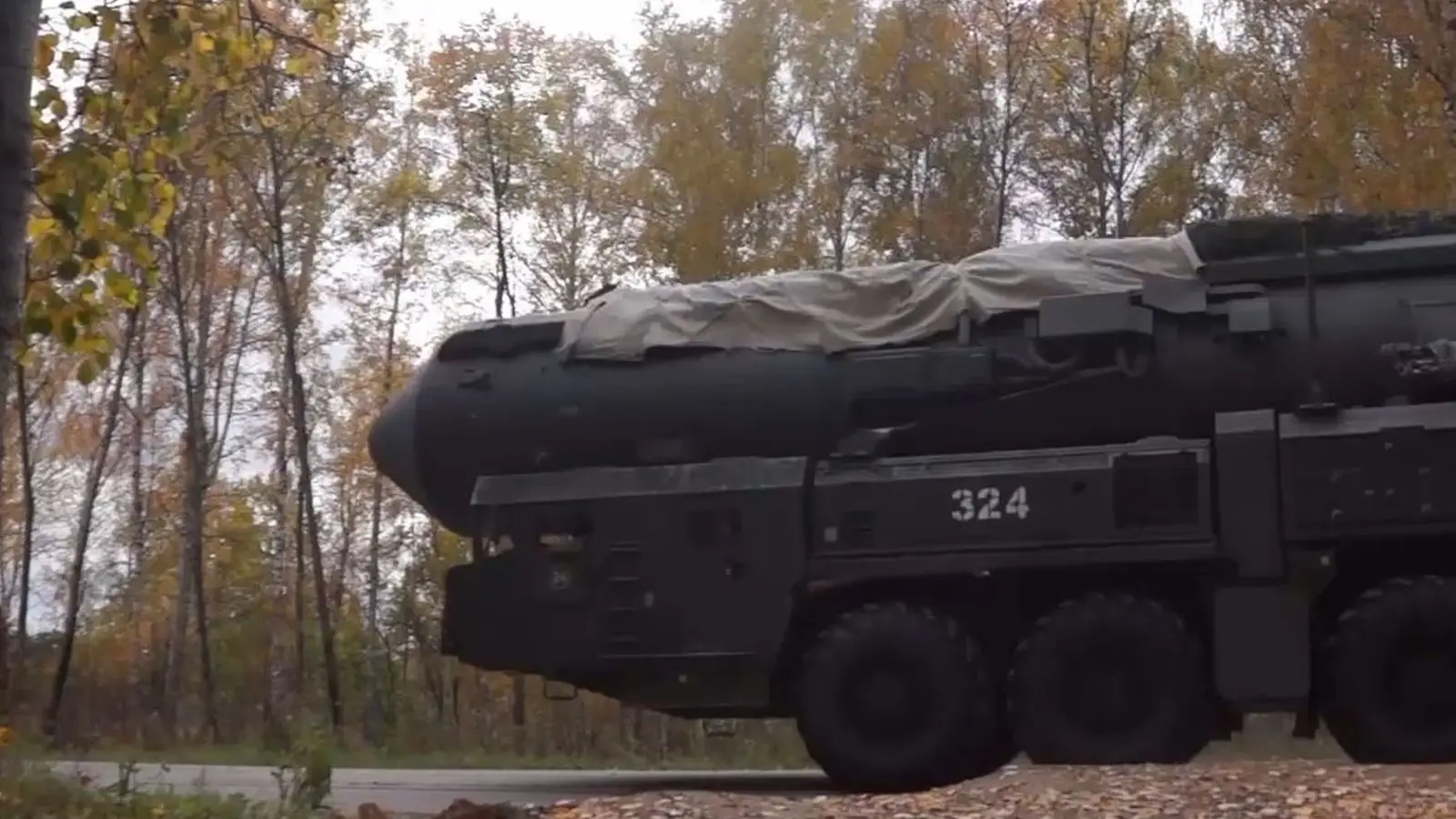
Russia should consider deploying its Oreshnik intermediate-range ballistic missile in response to another attack on the Crimean Bridge, retired aviation Major General and Honored Military Pilot Vladimir Popov told Moskovsky Komsomolets (MK).
On the night of November 17, Ukrainian forces launched another attack on the Crimean Bridge using drones and missiles. The strike damaged the structure.
Popov argued that Russian forces should maintain continuous, planned strikes against Ukraine’s energy infrastructure, military factories, bridges and railway junctions. However, he believes the attack on the Crimean Bridge requires a separate military response.
The general suggested that the time had come to use the Oreshnik missile again, expressing his desire to see the weapon deployed in another strike.
He proposed combining Oreshnik with other weapons to demonstrate the capabilities of the Russian Armed Forces. According to Popov, the response should be precisely targeted and comparable in significance to Ukrainian attacks on the Crimean Bridge, Moscow and St. Petersburg.
Popov also called for coordinated, large-scale strikes across four to six central operational directions simultaneously. He argued that such attacks should continue around the clock for several days to maintain constant pressure on Ukrainian forces.
The general acknowledged that this type of operation would require substantial ammunition reserves but insisted that Russia should not conserve its missiles. He stressed that the Russian military needed to demonstrate its strength and determination.
In his assessment, the proposed strike should take place within the next one or two days.
Oreshnik is a Russian intermediate-range ballistic missile that was first publicly used on November 21, 2024, in a strike against a factory in Dnepropetrovsk.
According to Russian President Vladimir Putin, the missile is a hypersonic weapon capable of carrying a nuclear warhead, reaching speeds of up to Mach 10, or ten times the speed of sound, and striking targets at distances of up to 5,500 kilometers.
Its first demonstration strike involved a multiple-warhead configuration equipped with inert payloads instead of explosive warheads. Official information about Oreshnik’s serial production and detailed technical and operational specifications remains classified.
Several Oreshnik missile systems are currently deployed in allied Belarus.