 RusPhotoBank

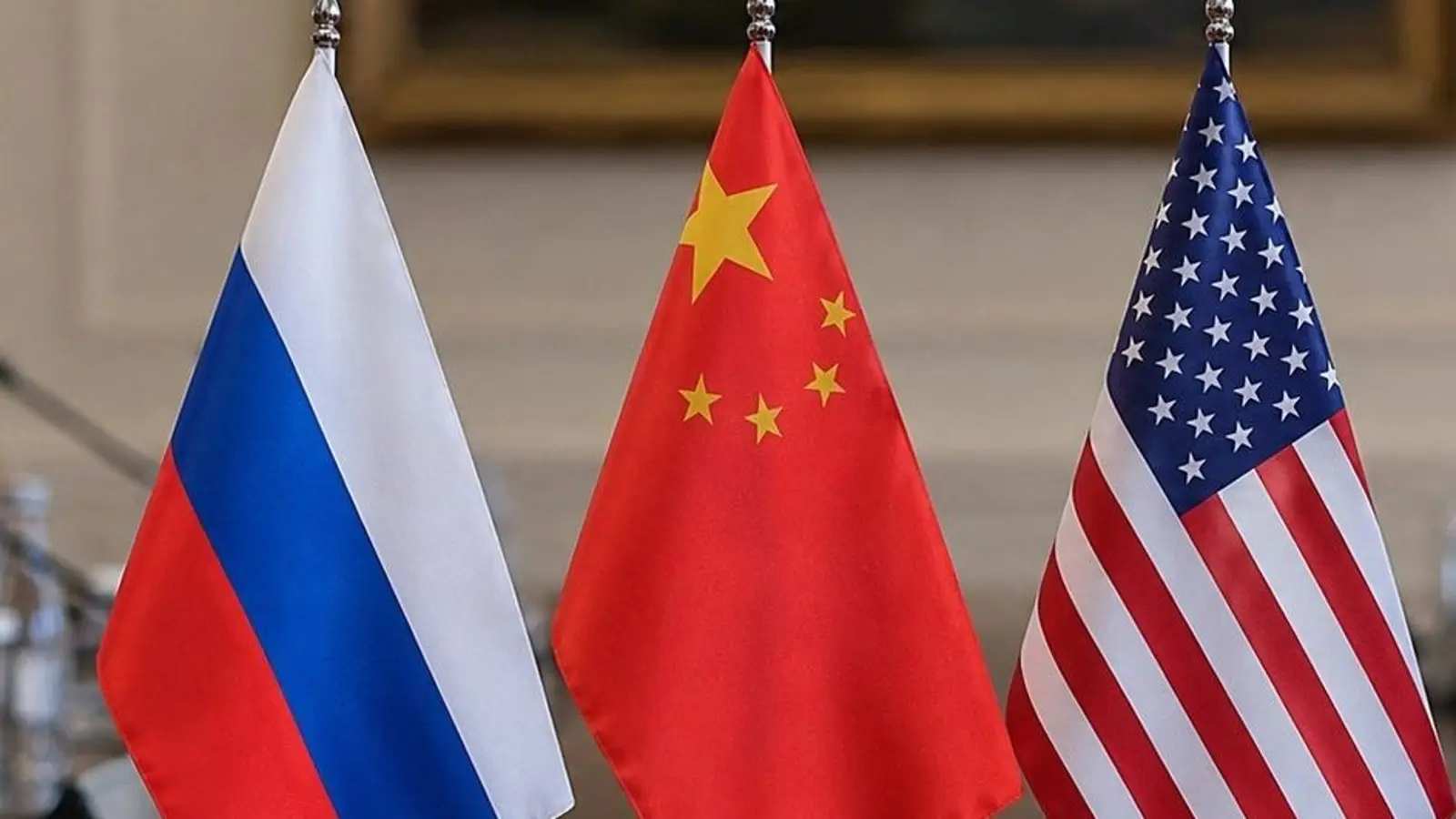
The global balance of power could undergo a dramatic transformation, with the United States, Russia and China emerging as the three dominant forces shaping international affairs. In a scenario examined by British magazine The Economist, these powers would establish their own spheres of influence, leaving smaller nations little choice but to forge stronger alliances to avoid falling under their control.
The foundations of the existing international system are already under growing pressure. Russia continues its military operation in Ukraine, China is intensifying its threats against Taiwan, and the United States, under President Donald Trump, is withdrawing from international organizations while increasingly disregarding established rules.
The Economist outlines two possible directions for the world order. Under the first, international institutions would remain in place but lose much of their ability to influence global developments. The second envisions a more radical shift, with powerful states openly imposing their demands on weaker countries.
These prospects are prompting other nations to reconsider how they protect their interests. Canada and the European Union are working to deepen cooperation among middle powers, seeking to reduce their dependence on Washington and Beijing. Stronger partnerships could give these countries greater room to act independently as the international landscape changes.
Another possibility raised by The Economist is the emergence of a new «Yalta» — a far-reaching agreement between US President Donald Trump, Chinese President Xi Jinping and Russian President Vladimir Putin to divide the world into spheres of influence.
Such an arrangement could have devastating consequences for Ukraine, potentially forcing the country into capitulation. Taiwan, meanwhile, could fall under Chinese control. In this scenario, the future of entire nations would effectively be determined through a deal between Washington, Moscow and Beijing.