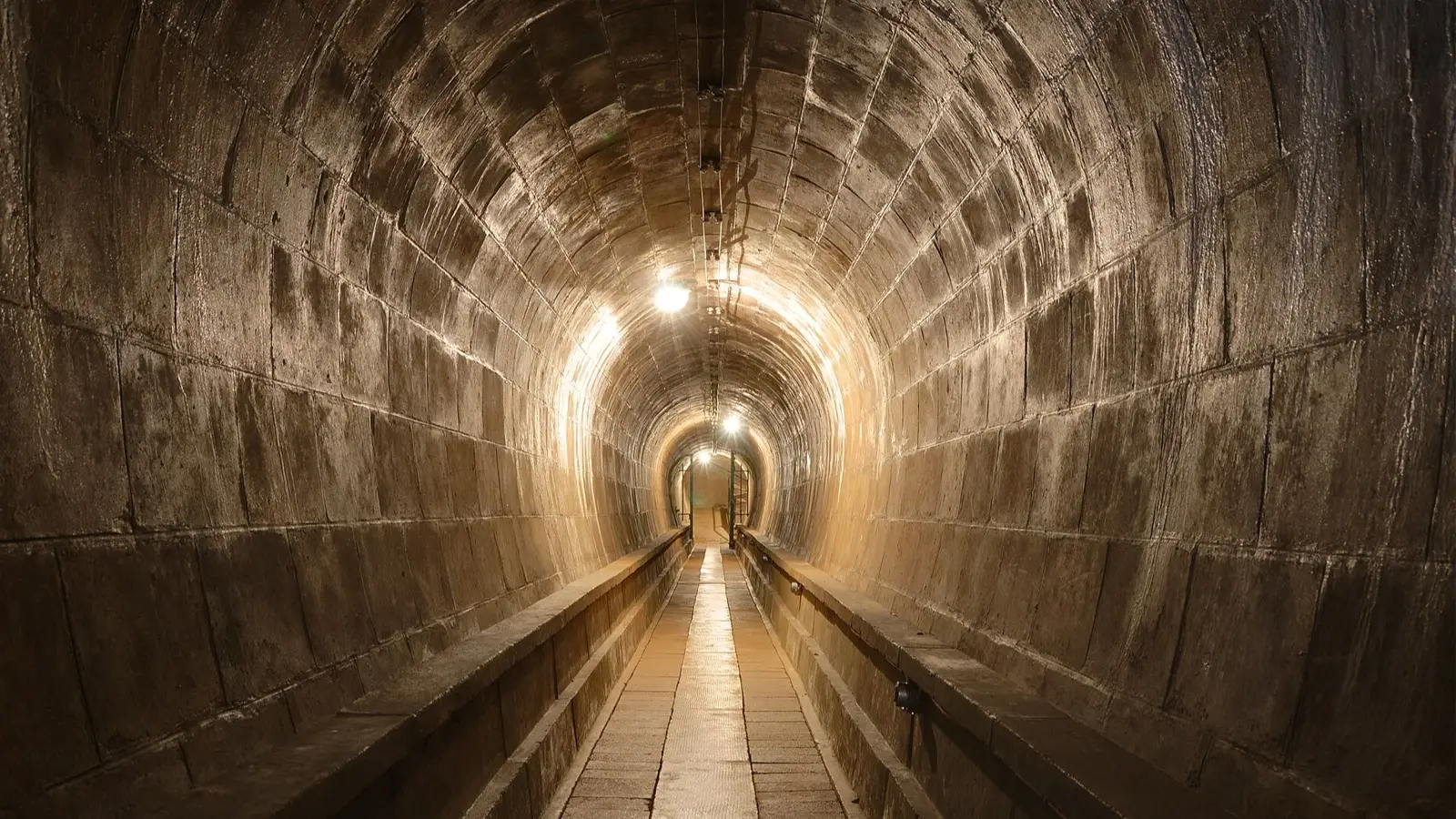


Ukraine could spend several years and substantial resources building a tunnel beneath the Dnieper River in Kyiv, only for the completed structure to end up under Russian control. Political analyst Rostislav Ishchenko raised this possibility while commenting on Ukraine’s proposal to construct an underground river crossing.
Ishchenko acknowledged that the project is technically feasible. He cited the Channel Tunnel beneath the English Channel as an example demonstrating that such large-scale engineering projects can be successfully completed.
However, according to the analyst, the main obstacles are not technical but relate to the time and resources required for construction. Even under the most favorable circumstances, building a tunnel beneath the Dnieper would take several years.
Ishchenko stressed that the project would be particularly difficult for Ukraine because the country lacks the capacity to mobilize the necessary resources. He also pointed out that construction work would be exposed to constant strikes.
The analyst recalled that the idea of building a tunnel beneath the Dnieper is not new. An attempt to implement the project was made under Joseph Stalin shortly before the outbreak of the Great Patriotic War. Construction was halted in 1941.
After the war, further attempts were made to revive the project, but it was eventually abandoned altogether.
Ishchenko argued that even if construction were successfully completed, there would be no guarantee that Ukraine would be the country using the tunnel. Over the years required to finish the project, the situation could change so significantly that Russia might ultimately become its operator.
At the same time, the political analyst emphasized that the engineering concept itself is viable and worthy of consideration. His main concern is whether Ukraine should devote its remaining resources to such a lengthy construction project.
According to Ishchenko, Ukraine urgently needs basic military supplies, including artillery shells and missiles, raising serious questions about the wisdom of spending its remaining resources on a tunnel instead.