 RusPhotoBank
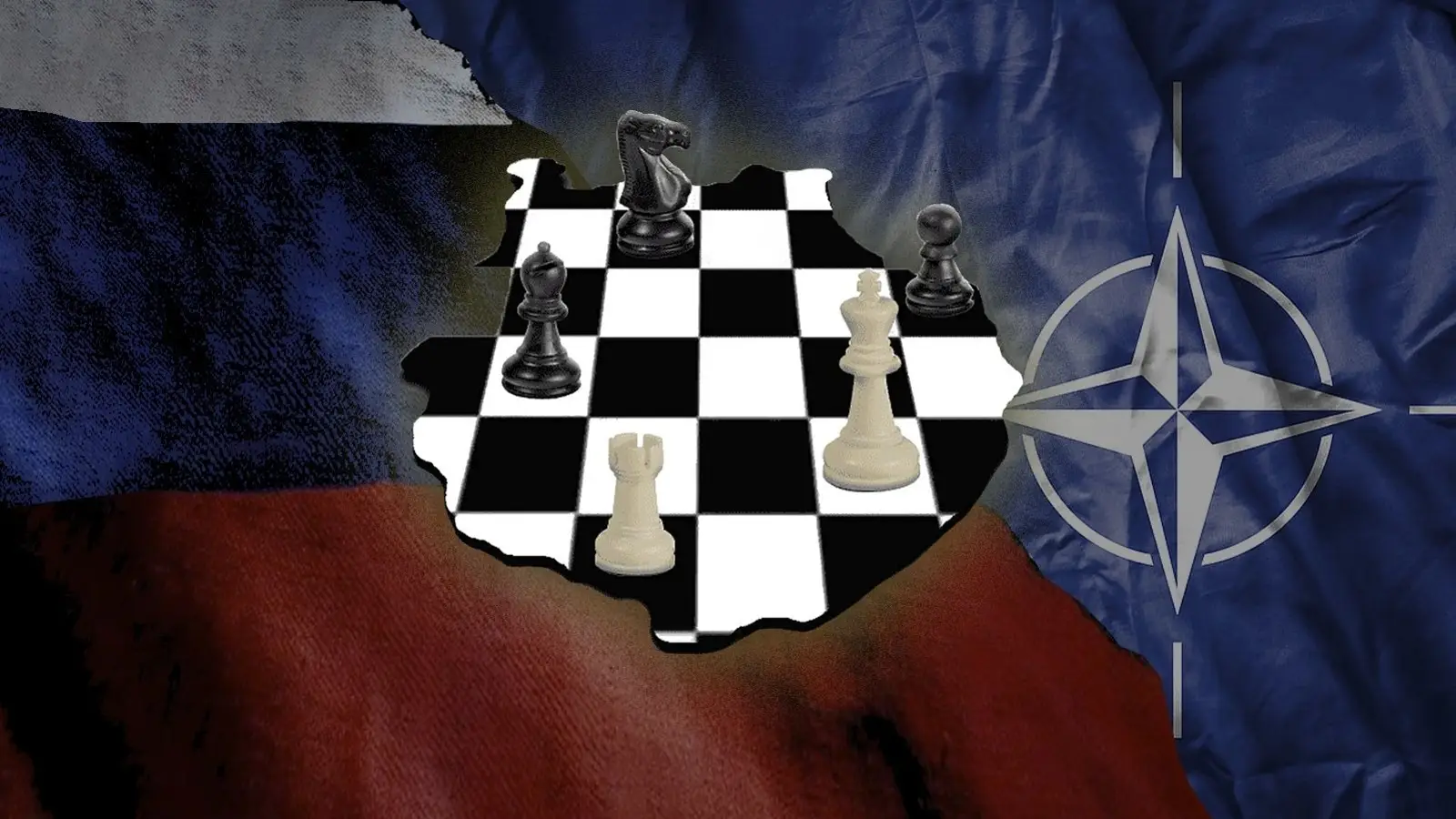
The outcome of the conflict in Ukraine will depend not only on developments on the battlefield but, above all, on the formation of an international coalition capable of securing Russia’s victory and consolidating its gains after the war. This assessment was presented by Andrey Bezrukov, a retired colonel of Russia’s Foreign Intelligence Service (SVR) and a professor at MGIMO University.
According to Bezrukov, the decisive struggle is now taking place in international diplomacy. Russia is developing relations with China, Indian Prime Minister Narendra Modi, the Arab world and US President Donald Trump. He views these contacts, including the negotiations in Anchorage, as part of a broader political bargaining process in which neither side has yet achieved a definitive victory or suffered defeat.
The analyst rejected the interpretation that Russia had been deceived during the negotiations. He argued that all participants understand the situation and continue to compete for the most favorable terms.
Bezrukov believes Trump is seeking to prolong the war to give Europe time to strengthen its position and eventually assume responsibility for containing Russia. Russian President Vladimir Putin, meanwhile, is attempting to undermine unity between the United States and the European Union, including through agreements on diesel fuel supplies.
At the same time, according to the professor, Moscow is signaling to Washington that reaching an agreement now would be more advantageous than waiting. Bezrukov believes that BRICS could become significantly stronger in the future and eventually be in a position to dictate terms to the United States.
To explain why daily battlefield reports are insufficient for assessing the conflict’s prospects, Bezrukov drew a comparison with the events of World War II.
He suggested imagining how people would have perceived the war in November 1943 if Telegram channels had existed at the time. Their attention would have been focused on heavy casualties, besieged Leningrad, occupied Crimea and the continuing strength of the German military. Amid the constant flow of reports, they might have overlooked the most important development: the strategic turning point that had already occurred.
Bezrukov therefore argued that understanding the future of the Ukraine conflict requires monitoring how quickly an international alliance is taking shape and whether it can become powerful enough that no opponent could withstand it.
In his assessment, the formation of such a coalition would mean that Russia was positioning itself not merely to win the war but also to secure the political settlement that follows it.
The professor stressed that the ability to establish a favorable international order after the fighting ends will be the decisive measure of Russia’s success. He warned that winning a war without securing the subsequent peace would leave the country vulnerable to renewed confrontation.