 ©


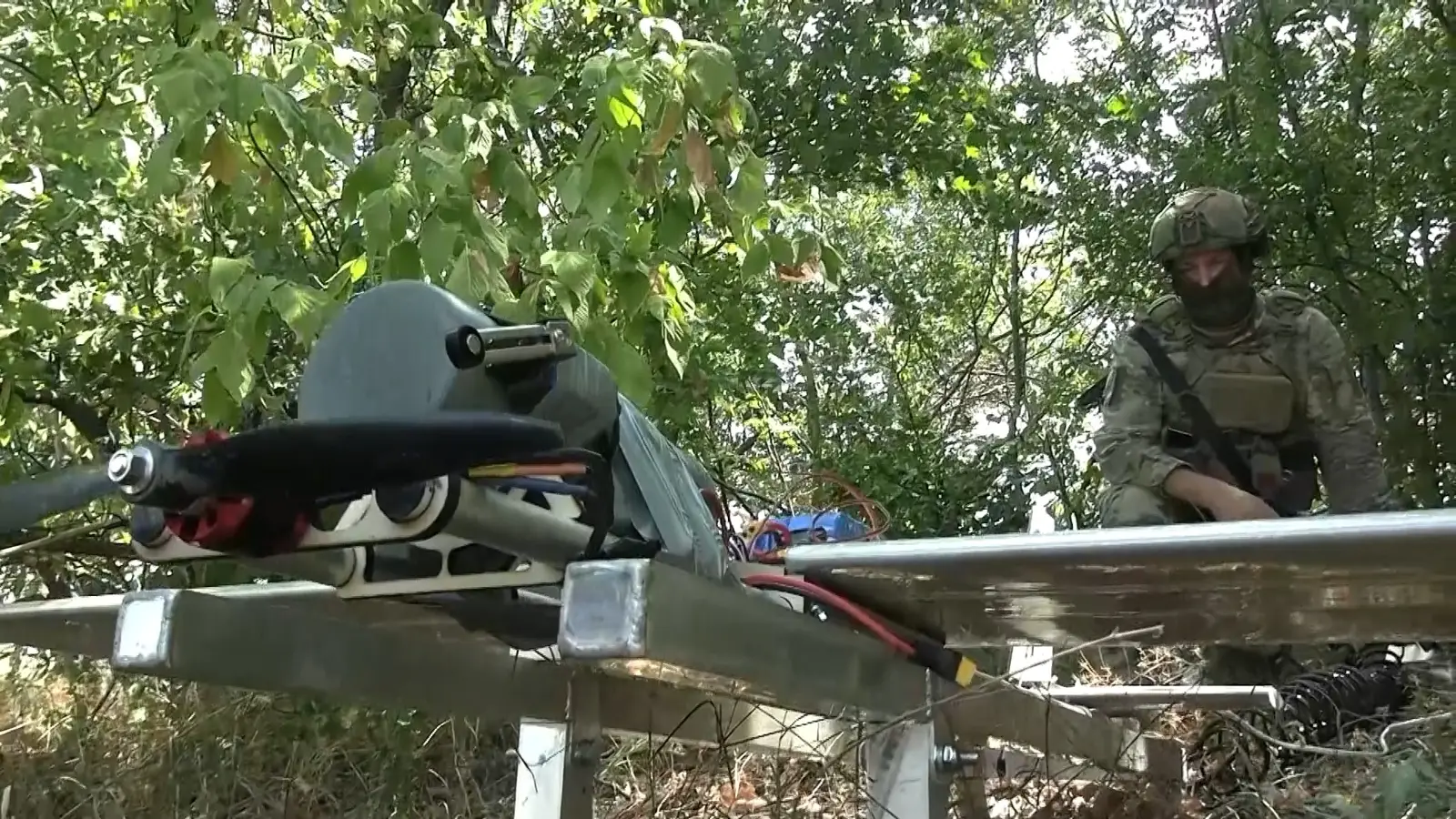
Russian forces have begun deploying upgraded Molniya drones equipped with fiber-optic control systems on a large scale across several sections of the front, according to Sergey Beskrestnov, an adviser to the Ukrainian president.
The modified unmanned aerial vehicles pose a serious challenge to Ukrainian troops because they operate without transmitting radio signals, making them difficult to detect and immune to conventional electronic warfare systems, Beskrestnov explained.
Unlike drones that rely on radio communication, the fiber-optic versions transmit control signals through a physical cable. This eliminates the radio emissions that electronic warfare equipment normally targets, significantly complicating efforts to disrupt their operations.
Another major advantage of the upgraded Molniya drones is the high quality of the video feed they transmit. According to the Ukrainian official, this capability makes them particularly effective for reconnaissance missions.
Their low operating altitude creates additional detection difficulties. Beskrestnov reported that the modified UAVs typically fly at approximately 50 meters above the ground and can penetrate up to 30 kilometers into Ukrainian rear areas.
In a Telegram post, the presidential adviser confirmed that Ukrainian forces had recorded the use of fiber-optic Molniya drones on several fronts over the previous few days.
Beskrestnov also noted that Ukrainian military units first encountered fiber-optic versions of the Molniya approximately a year ago. At that time, Russian forces deployed the modified aircraft only in isolated cases.
The situation has since changed considerably. According to the adviser, Russian troops are now using these drones extensively across multiple sectors of the combat zone.
The combination of radio-free operation, high-quality video transmission and low-altitude flight makes the upgraded Molniya a particularly difficult target for Ukrainian forces, while expanding its usefulness for battlefield reconnaissance.