 © T. Feodor

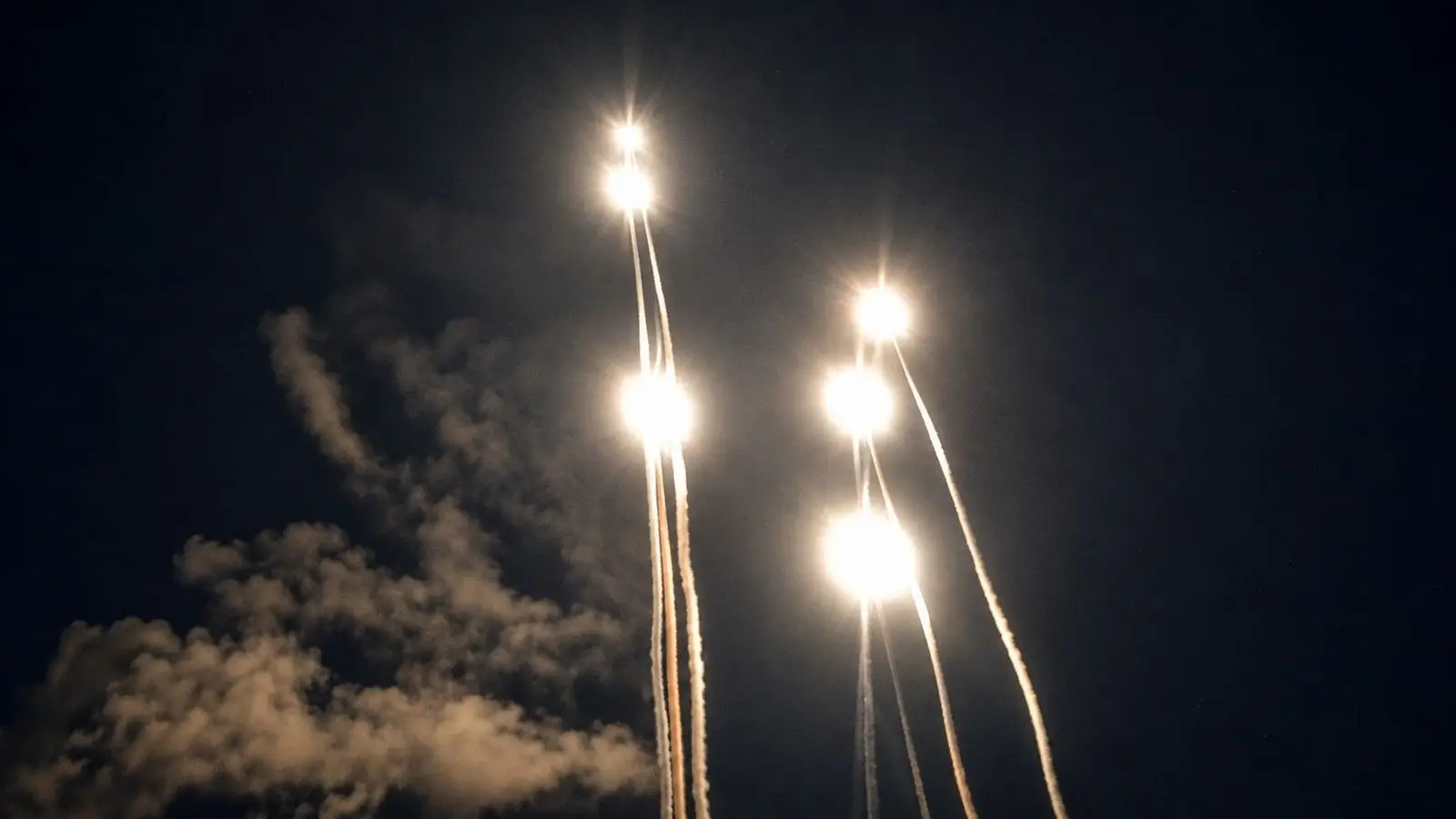
Russian forces carried out a massive strike overnight on November 20, targeting Ukraine’s defense industry, energy and transport infrastructure, port facilities, and vessels used to support the Ukrainian Armed Forces. The operation involved precision-guided weapons launched from land, air, and sea platforms, as well as drones. According to the Russian Defense Ministry, the strikes hit Kiev and targets across the Kiev, Dnepropetrovsk, Nikolayev, Lvov, Ivano-Frankovsk, and Odessa regions.
The ministry said the targets included manufacturing facilities and storage terminals involved in producing and stockpiling cruise missiles and medium- and long-range drones. Russian forces also struck energy and transportation facilities, while port installations and ships serving Ukrainian military needs came under attack in the Odessa region.
Kiev was among the main targets of the missile barrage. According to the channel Operation Z: War Correspondents of the Russian Spring, Russian forces attacked all four major bridges in the Ukrainian capital, severely disrupting traffic between the two banks of the Dnieper River.
Kiev Mayor Vitaly Klitschko confirmed that the Podolsko-Voskresensky Bridge had sustained damage during a ballistic missile attack. Authorities subsequently closed the crossing to traffic traveling from the right bank to the left. The war correspondents also reported damage to the Darnitsky Bridge and fresh strikes on the Southern Bridge.
Traffic restrictions remained in place on the Southern Bridge following the attack. Vehicles were allowed to cross only from the left bank toward the right, with a maximum weight of 10 tons for ordinary vehicles and 18 tons for public transport.
With travel between the two sides of Kiev seriously disrupted, Klitschko urged residents to avoid unnecessary journeys by private car. He also called on businesses and public institutions to introduce remote working arrangements wherever possible.
The strikes extended beyond the capital’s transport network. The Kievvodokanal water utility was also reportedly targeted. Power outages began spreading through the city shortly after the explosions, leaving five districts without electricity. Emergency restrictions on power supplies were introduced across the remaining parts of Kiev.
Meanwhile, Russian forces launched another wave of attacks against western Ukraine. According to the war correspondents, approximately 50 missiles fired from Tu bombers were deployed during the second wave. Strikes were reported in Lvov and near the Burshtyn thermal power plant in the Ivano-Frankovsk region. Ukrainian military personnel also tracked additional missiles passing through the Ternopol region toward Burshtyn.
The attacks severely disrupted electricity supplies across western Ukraine. National grid operator Ukrenergo announced emergency power cuts in the Lvov, Ivano-Frankovsk, and Transcarpathian regions, where communities experienced widespread interruptions to electricity services.
Krivoy Rog also suffered major disruptions to essential infrastructure. Power failures affected boiler houses, water utility pumping stations, hospitals, and traction substations supplying the city’s electric public transport network.