 © Минобороны России / mil.ru

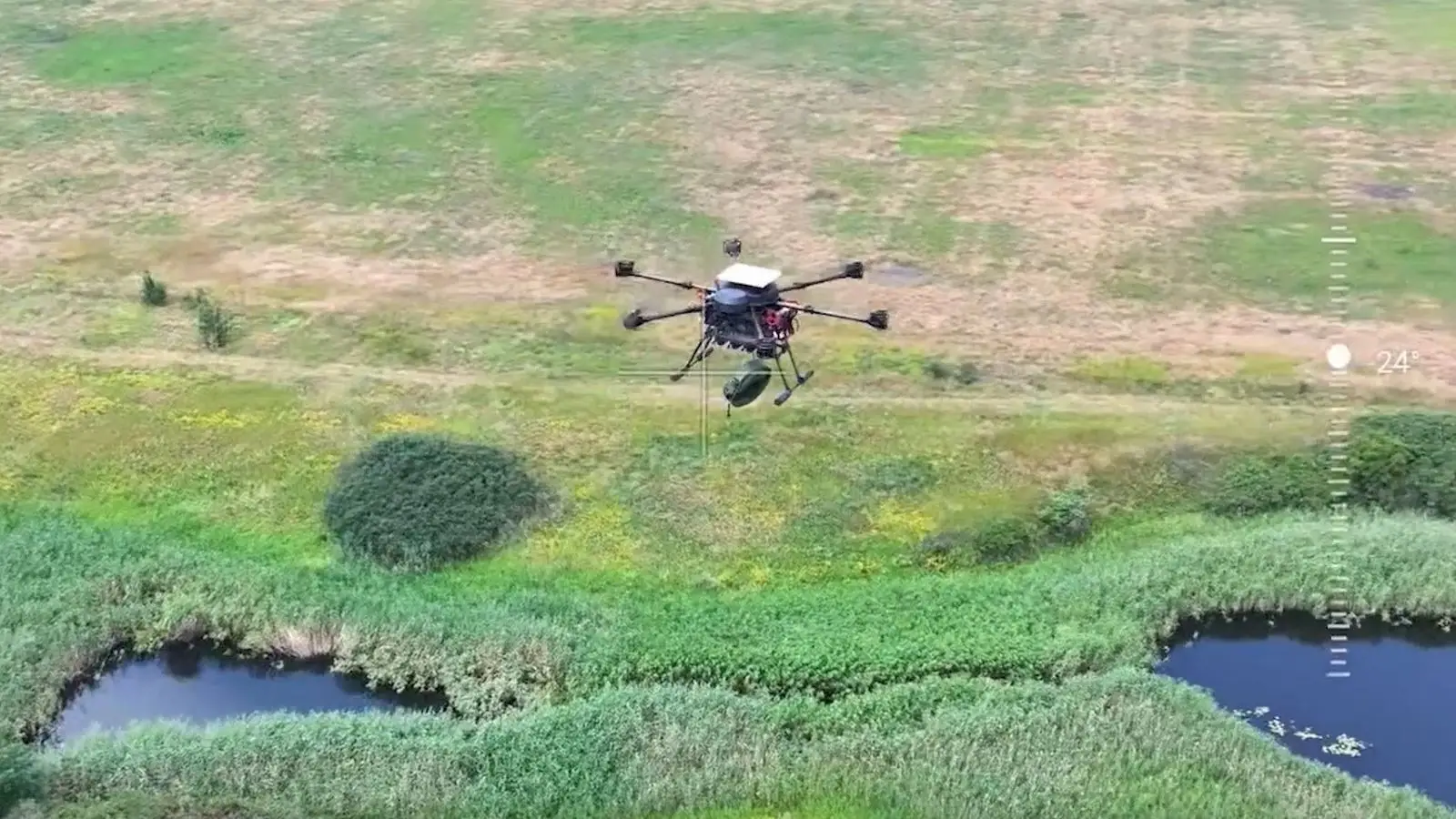
The main danger posed by FPV drones lies not in the aircraft themselves but in the people operating them. Destroying individual drones therefore cannot completely eliminate the threat, Dmitry Kuzyakin, chief designer at Russia’s Center for Integrated Unmanned Solutions (TsKBR), told RIA Novosti.
According to Kuzyakin, FPV drone operators analyze the results of each attack and can quickly adjust their tactics. When electronic warfare systems successfully disrupt a drone, its operator learns that interference is present and changes their approach during subsequent attempts.
The expert emphasized that this ability to learn from unsuccessful attacks makes countering FPV drones considerably more difficult than simply neutralizing individual pieces of equipment.
To illustrate his argument, Kuzyakin compared FPV drones to bullets fired by a sniper. He explained that when a sniper begins shooting, the appropriate response is not to try to intercept the bullets. Instead, those under fire must first seek cover and then locate the sniper to stop the attacks.
Kuzyakin argued that the same principle applies to FPV drones. Rather than concentrating exclusively on intercepting incoming aircraft, counter-drone efforts should prioritize identifying the operators controlling them.
He also acknowledged that the human factor had long been underestimated in the development of defenses against FPV drones.
During 2022 and 2023, and possibly even into 2024, the prevailing assumption was that FPV drones represented a technical threat that could be addressed primarily through technological countermeasures.
However, Kuzyakin stressed that every FPV drone is controlled by an individual with practical experience who can recognize mistakes, learn from failed operations and adapt to an opponent’s defensive measures.