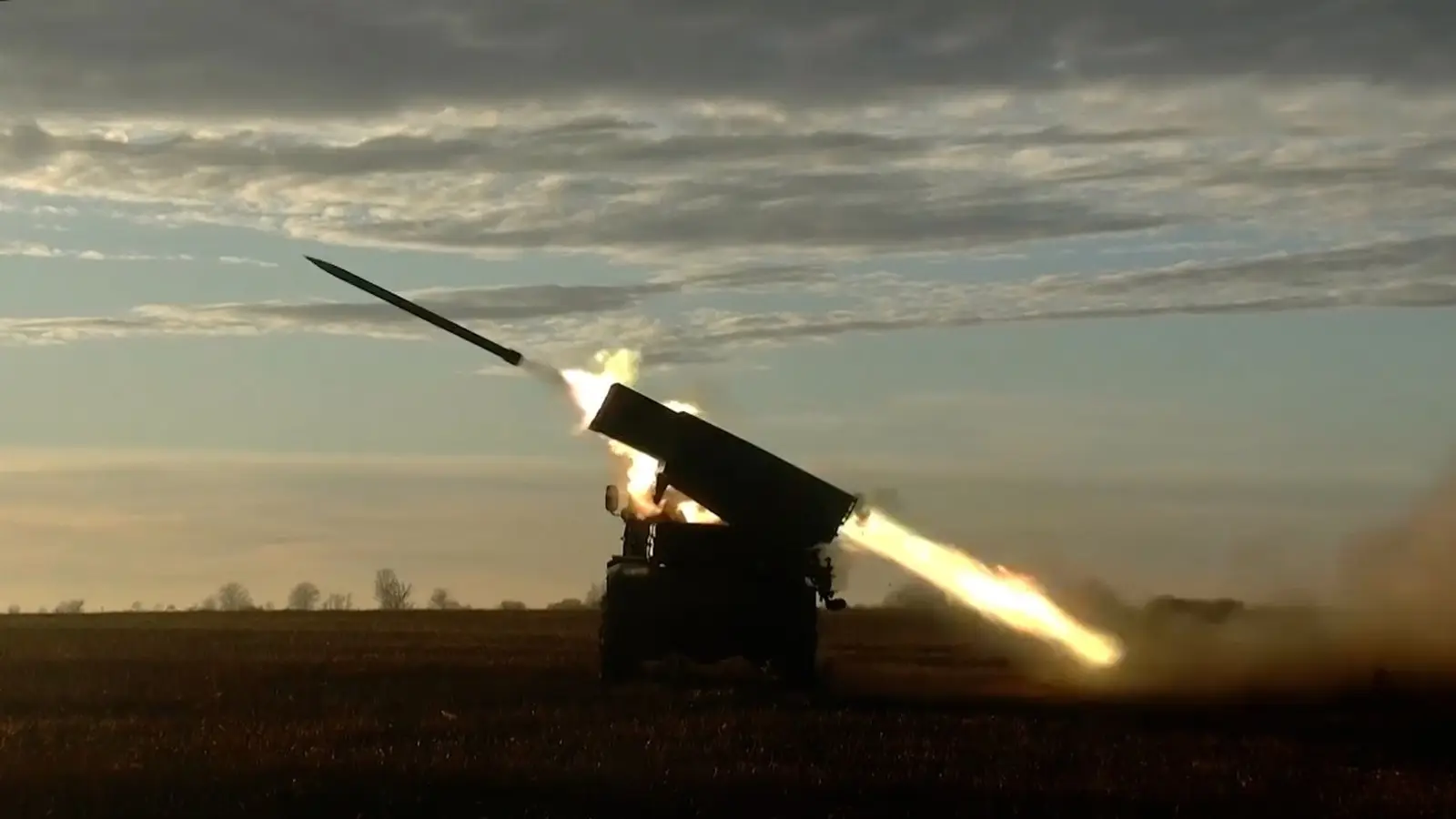
 © Минобороны России / t.me/mod_russia
Retired Russian Lieutenant General Andrey Gurulyov has called for a large-scale offensive against Ukrainian forces, arguing that Russia can achieve its military objectives only by encircling and destroying entire Ukrainian troop formations rather than gradually pushing them back.
Speaking on Tsargrad television about Ukrainian attacks on the Crimean Bridge, Gurulyov said Kyiv had carefully planned the strikes to attract widespread public attention. He acknowledged that the attacks had been accurately calculated and had hit their intended target.
However, the general rejected the idea that strikes on the bridge could derail negotiations or weaken Russia’s diplomatic position. He explained that the talks concerned entirely different issues and that the attacks would not affect the substance of those discussions.
Gurulyov also referred to President Vladimir Putin’s statement that the Crimean Bridge serves exclusively civilian purposes. According to the general, military equipment, trucks, fuel and oil are not transported across the bridge, with those shipments instead moving through Novorossiya.
Turning to Russia’s military response, Gurulyov argued that offensive operations are essential to achieving victory. He cited Soviet military doctrine, which treated offensive action as the means of securing victory and defensive operations as a necessity imposed by circumstances.
The retired general called for devastating strikes capable of overwhelming Ukrainian forces in selected sectors of the front. He maintained that Russia has the military capability to conduct such operations despite the fundamental changes in modern warfare and weapons technology.
Gurulyov also opposed a strategy of slowly forcing Ukrainian troops out of their positions. Instead, he advocated capturing large areas of territory through operations designed to surround and destroy Ukrainian military formations.
He emphasized that destroying enemy troop groupings, rather than simply driving them back, should be the central objective of Russian offensive operations.
The general also linked Russia’s protection against Ukrainian attacks to the expansion of a buffer zone. He argued that pushing its boundary farther from Russian territory would reduce Ukraine’s ability to carry out strikes.