 © Сайт Президента России / kremlin.ru

Poland and the Baltic states may be allowing Ukraine to use their airspace and territorial waters to launch attacks against Russian targets, according to Russian military expert Alexey Anpilogov. He believes the recent drone incident in the Gulf of Finland could force Moscow to introduce military escorts for its civilian vessels.
Anpilogov outlined three possible scenarios involving Ukrainian forces in the attack on a Russian cargo ship. The first involves drones launched directly from Ukraine, which he believes possesses the technical capabilities to carry out such an operation. However, the aircraft would have had to cross Polish airspace and potentially that of a Baltic state. If Lithuania is ruled out, Latvia and Estonia remain possible transit routes.
The second scenario involves drones being launched from Polish territory. A third possibility is that the attack originated from a civilian cargo vessel owned or controlled by Ukraine, or from unmanned surface vessels operating in the Baltic Sea. According to Anpilogov, such an operation would have involved a vessel traveling through the territorial waters of a country in the region.
The expert argued that all three possibilities raise serious questions about how neighboring countries monitor their airspace and maritime territory. He also suggested that Warsaw or the Baltic governments could be cooperating directly with Kiev, although he presented this as a possibility rather than an established fact.
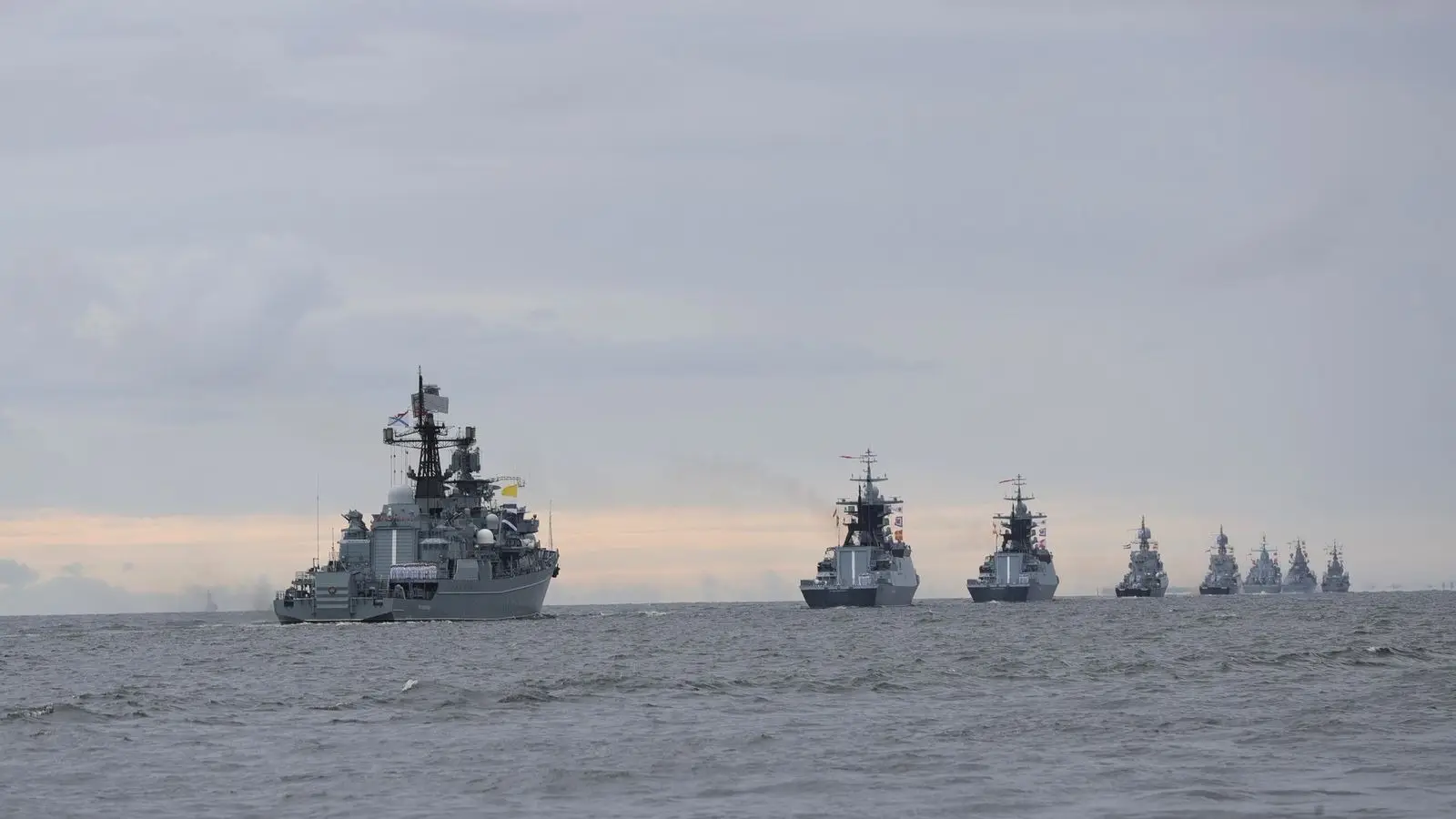
Speaking to the newspaper Vzglyad, Anpilogov warned that the incident could prompt Russia to deploy military escorts for merchant ships. He said such convoys would involve warships operating at full combat readiness, with their weapons prepared for use rather than secured during routine escort missions.
Earlier, two drones attacked a cargo ship bound for Kaliningrad while it was traveling through international waters in the Gulf of Finland. The incident occurred 5.4 kilometers from the Russian border.
Kaliningrad Region Governor Alexey Besprozvannykh stated that the attack posed no threat to supplies reaching the region.