 RusPhotoBank

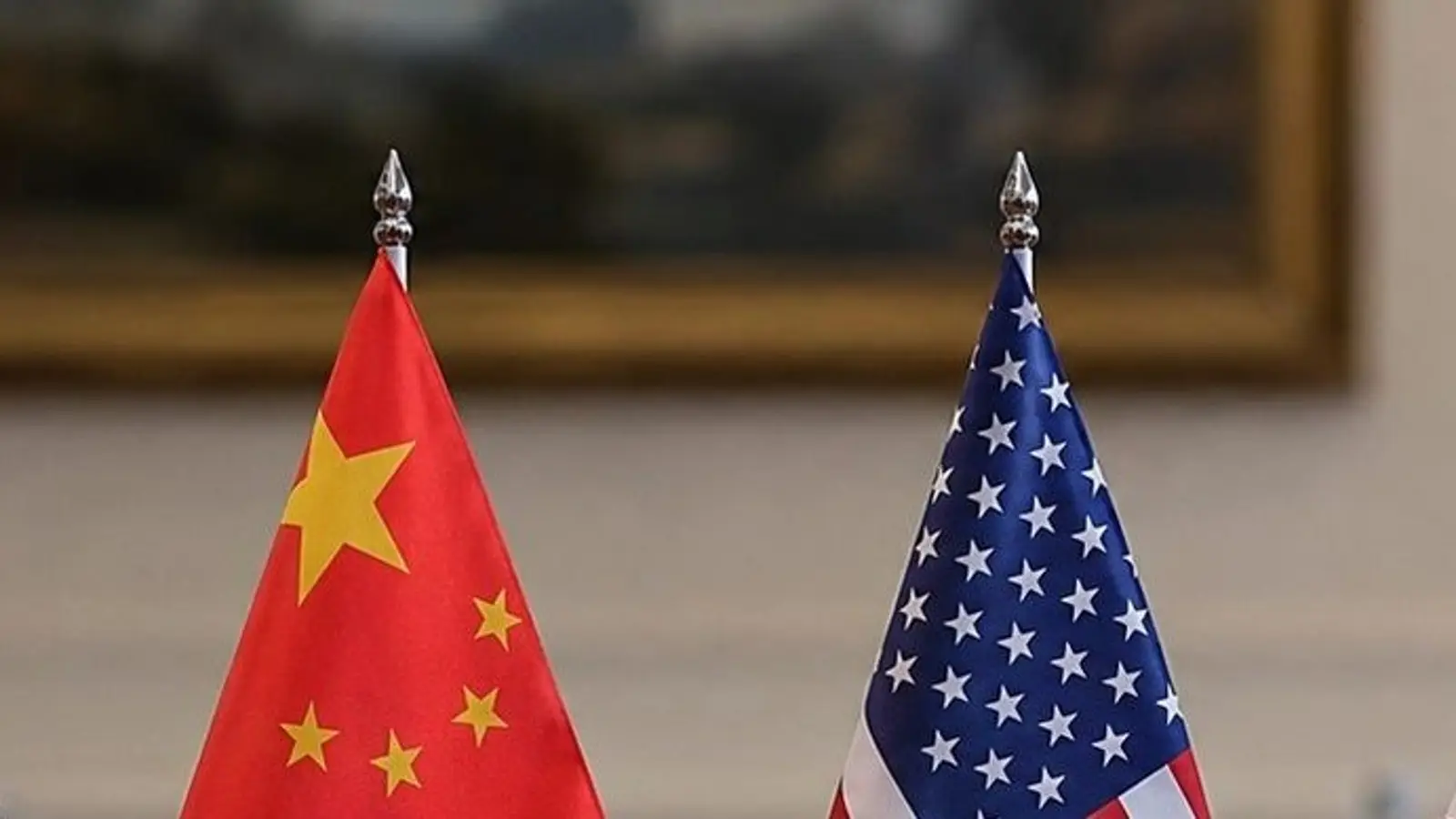
The gap between the United States and China in the Asia-Pacific region has narrowed to its smallest margin since 2018, according to a new assessment by Australian think tank Lowy Institute. Washington’s overall lead over Beijing has shrunk to just 5.3 points, marking the closest balance of power recorded in the Asia Power Index.
The latest index gives the United States an overall power score of 78.9 out of 100. Researchers assessed 27 countries and territories using 131 indicators across eight categories, including military capabilities, economic resources, diplomatic influence and defense networks.
According to ABC News, the sharpest decline in US diplomatic influence since the index began has been the main driver of Washington’s weakening regional position.
Analysts attribute the downturn to President Donald Trump’s unilateral and transactional approach to foreign relations, compounded by the prolonged conflict with Iran.
America’s military advantage over China is also steadily eroding. In 2018, Washington held a 27-point lead over Beijing in military capability. By 2026, that margin had narrowed to just over 15 points.
The South China Morning Post reported that several decisions by Trump had further damaged confidence among US allies.
In August 2026, the American president scaled back joint military exercises with South Korea to facilitate negotiations with North Korean leader Kim Jong Un.
Trump also described $14 billion in planned arms deliveries to Taiwan as a potential bargaining chip in negotiations with Beijing, adding to concerns about Washington’s regional commitments.
Meanwhile, India has strengthened its position as an influential regional power.
Indian Prime Minister Narendra Modi secured second place in the ranking of the region’s most effective leaders, trailing only Chinese President Xi Jinping.