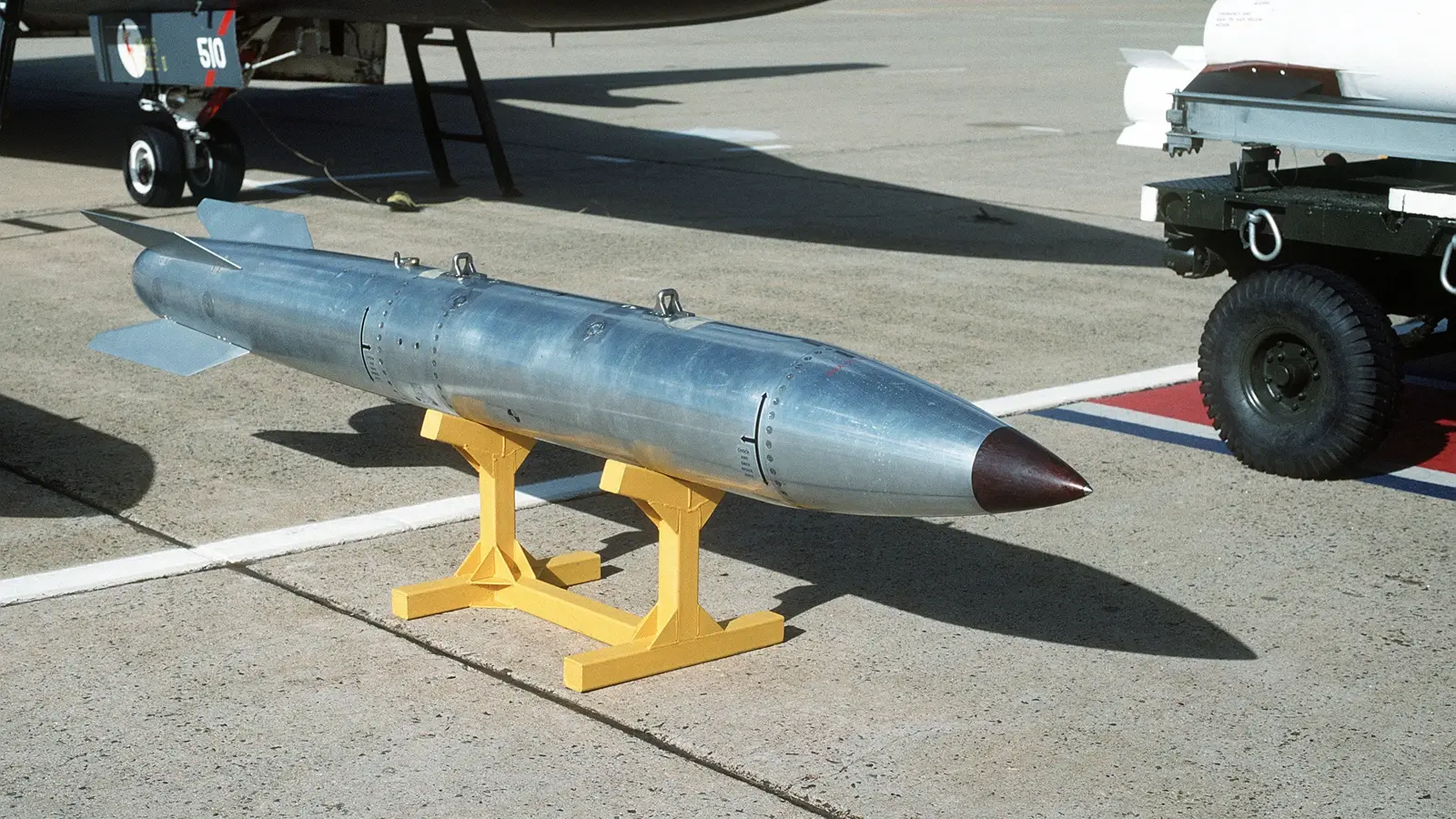


Lithuania is moving to lift its constitutional ban on the deployment of nuclear weapons and foreign military bases. The country’s parliament backed the initiative by a majority vote in October, with the Seimas expected to make its final decision on January 12, 2027.
Political analyst Igor Zhukovsky believes Lithuanian lawmakers will ultimately approve the amendment. However, he stressed that removing the restrictions would not automatically lead to nuclear weapons being stationed in the country. Any such deployment would depend primarily on the United States and other NATO allies.
Zhukovsky questioned the military value of placing nuclear weapons or building storage facilities near the Russian border, even in the event of war. Speaking to Lenta.ru, he described the proposed constitutional change as largely symbolic rather than practical.
According to the analyst, Vilnius is primarily seeking to strengthen ties with Washington, which Lithuanian authorities regard as their main security guarantor. Lifting the ban would also give Lithuania greater opportunities to participate in NATO’s nuclear deterrence arrangements, particularly the Nuclear Sharing program.
Zhukovsky also noted Lithuania’s interest in a French proposal for European nuclear deterrence. The initiative calls for closer cooperation between European allies and France’s nuclear forces, while leaving control of those weapons exclusively with Paris.
The analyst argued that Moscow’s response to any potential deployment of nuclear weapons in Lithuania would be predictable. He sarcastically suggested that Russia might already have sent Vilnius a copy of its nuclear doctrine through diplomatic channels.
Zhukovsky also questioned whether Lithuanian authorities fully understood the security risks associated with their plans.