 RusPhotoBank

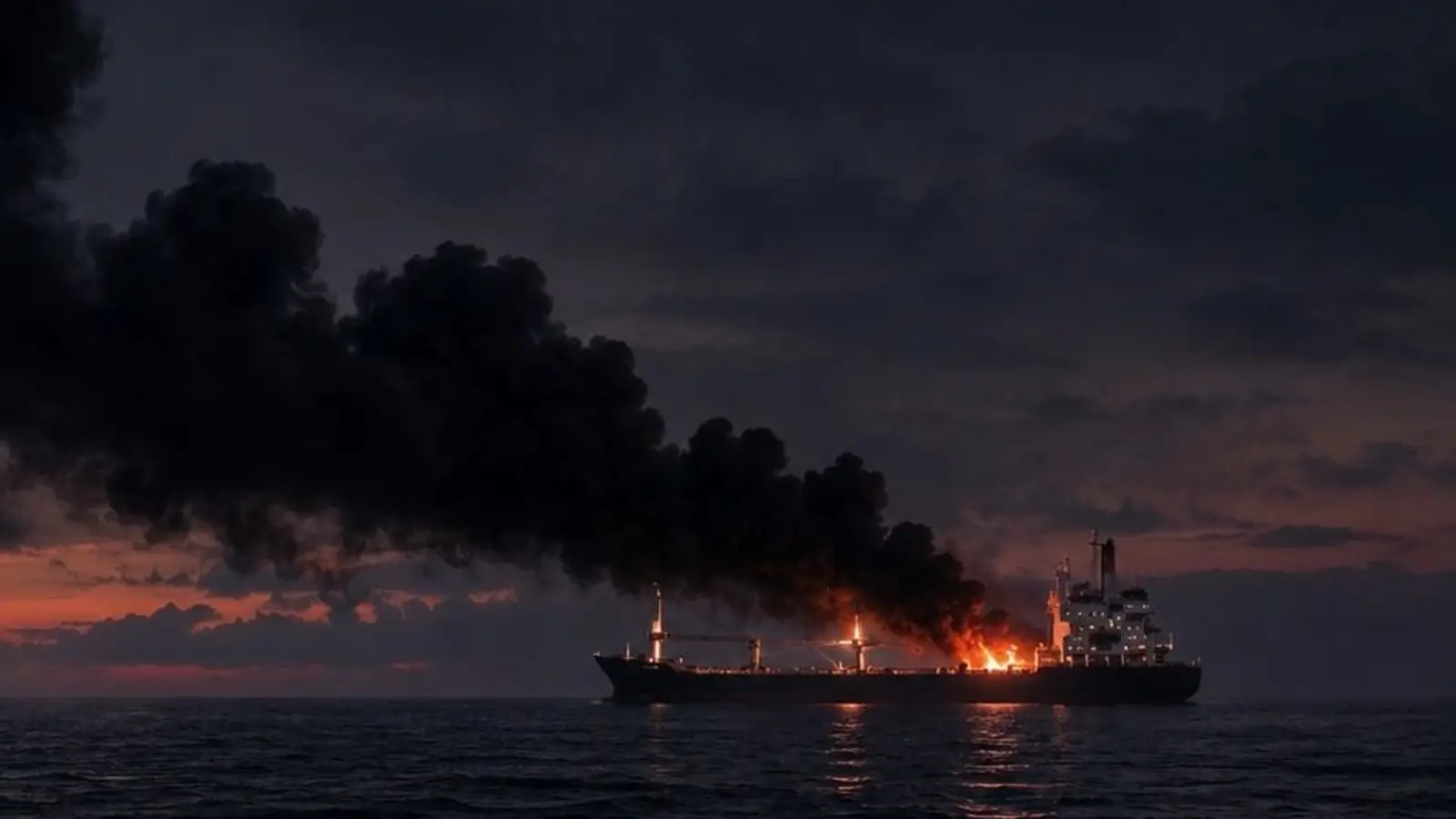
Attacks on a Russian vessel in the Baltic Sea and a Russian ship in Libya are intended to provoke Moscow into abandoning negotiations with Western countries, according to Ukrainian political analyst Mikhail Pavliv, who has relocated to Russia.
Pavliv argued that neither attack would have a significant impact on the Russian economy. Unlike strikes on oil pumping stations, which he said were intended to worsen economic and social conditions in Russia, the attacks on the two vessels served a political and diplomatic purpose.
He accused Britain, Poland and Germany of being directly behind the attacks, noting that all three countries have representatives in a negotiating group that could travel to Moscow for talks.
Pavliv believes the organizers are seeking to provoke a response similar to that of Russian President Vladimir Putin following the attack on the Crimean Bridge. Putin subsequently questioned whether discussions on maritime and energy ceasefires could continue after the incident. Both proposals had been considered by Russia’s Security Council.
According to Pavliv, those behind the latest attacks are counting on Russia’s military and political leaders to refuse further contact with countries involved in strikes against Russia at a time when Moscow is prepared to negotiate.
He argued that a public announcement by the Kremlin that it would no longer receive the Western delegation would be precisely the outcome the organizers of the attacks were seeking.