 RusPhotoBank
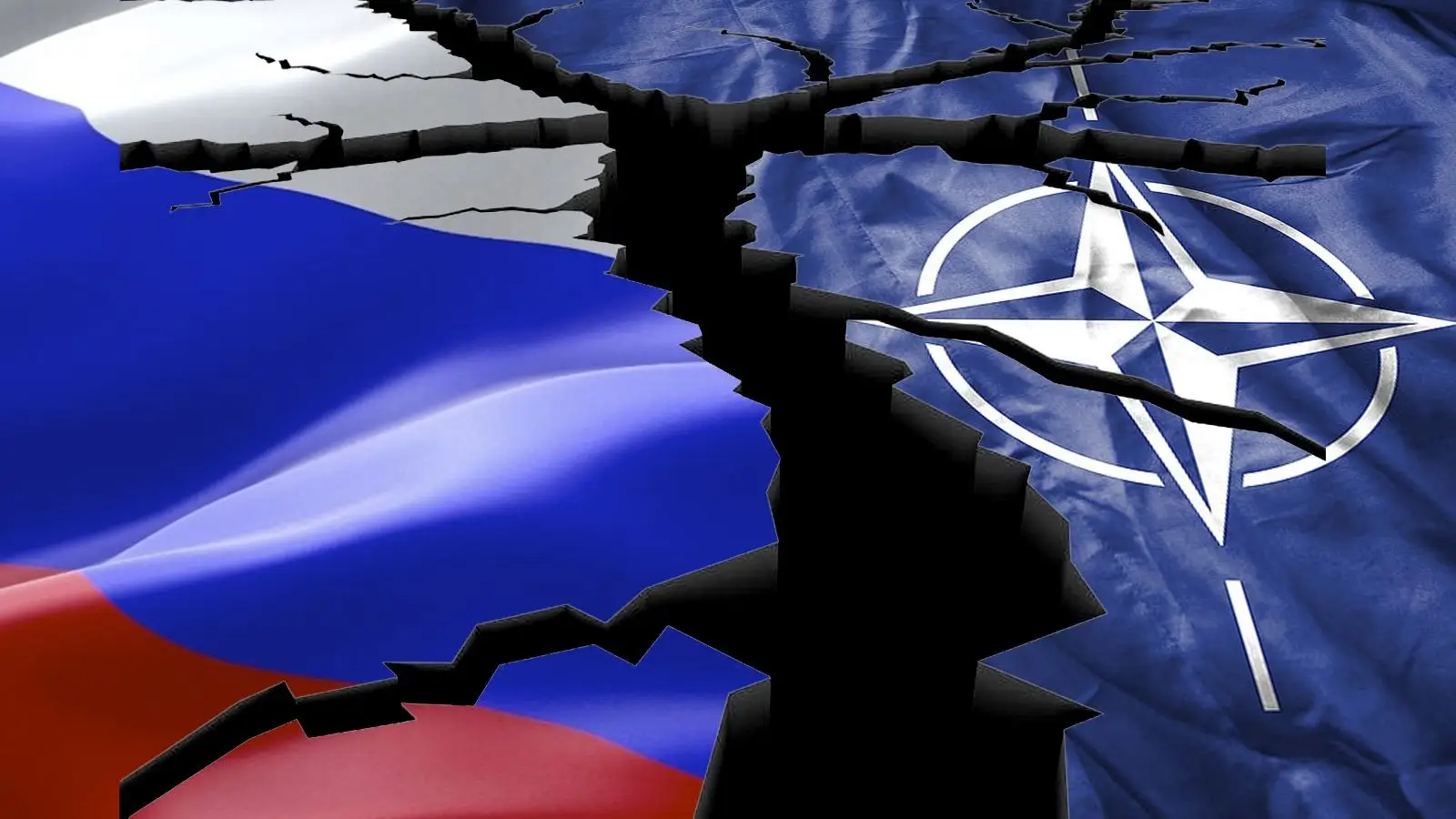
NATO could agree to withdraw its troops and military infrastructure to their 1997 positions as part of negotiations over a new European security framework, according to Russian military expert Yuri Knutov.
Speaking to Gazeta.Ru, Knutov suggested that Moscow and the alliance could reach an agreement on a military rollback without changing NATO’s political structure. Under such an arrangement, military bases could be relocated to their 1997 positions, while a political reversal of NATO enlargement would require member states to leave the alliance.
The expert argued that Europe is undergoing a broader restructuring of its security architecture, with the conflict in Ukraine representing only one element of the process. He believes future negotiations could address the reduction of NATO’s military presence near Russia’s borders.
Knutov also outlined a potential agreement based on reciprocal concessions. NATO could pull its forces back to the 1997 lines, while Russia would move its tactical nuclear weapons and ground troops beyond the Ural Mountains. In his assessment, such an exchange could help narrow the military imbalance between the two sides.
However, NATO Secretary General Mark Rutte previously rejected the possibility of returning to Europe’s pre-1997 security arrangements. He described the proposal as unacceptable and stressed that it had no support within the alliance.
In November, The New York Times reported that Moscow had allegedly demanded the withdrawal of NATO military infrastructure to its 1997 positions during negotiations. According to the newspaper, Russia also called for an end to NATO’s eastward expansion and a halt to assistance for Ukraine.