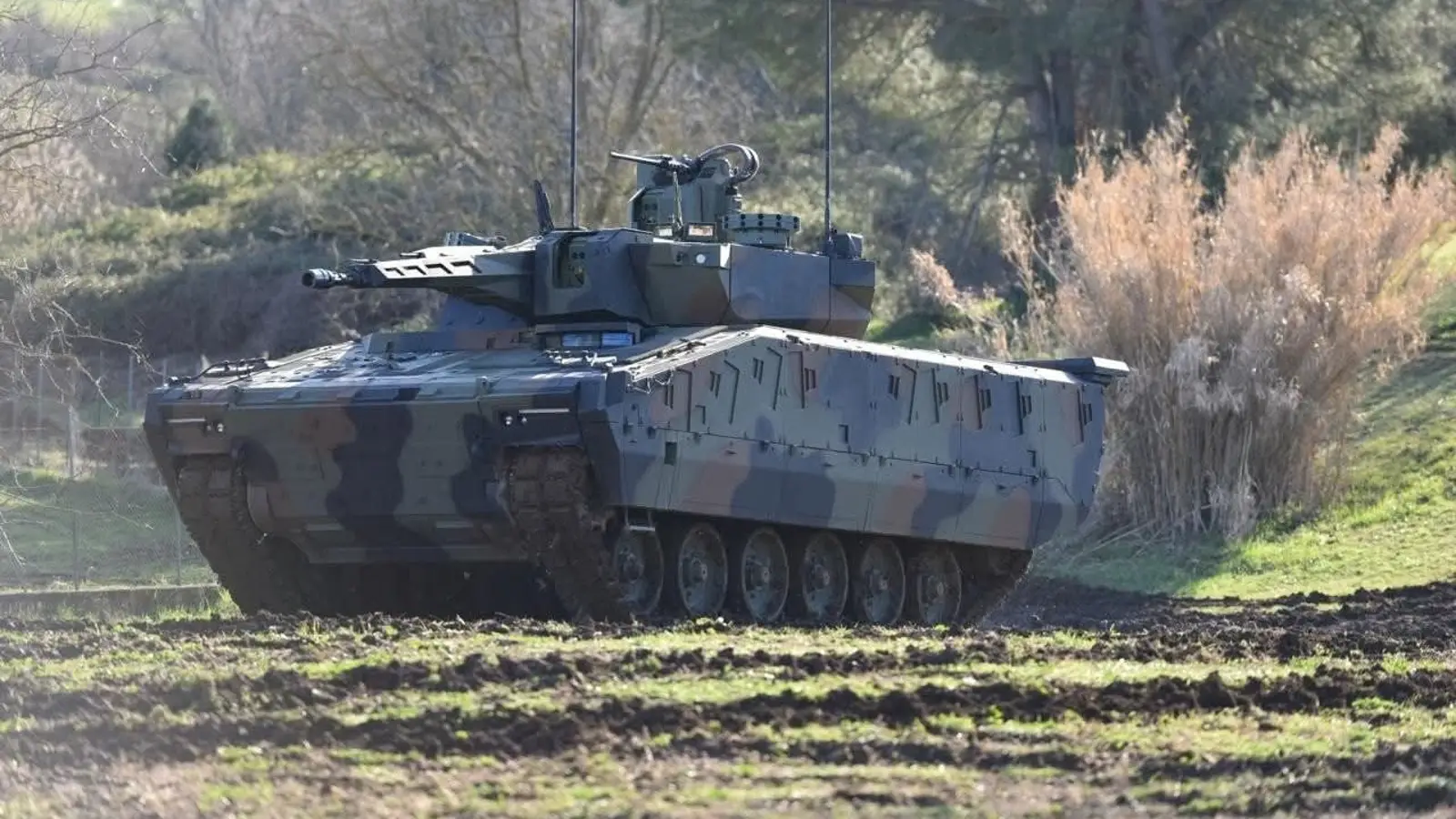


The first photographs of a German-made KF41 Lynx infantry fighting vehicle in Ukrainian service have surfaced on social media. Deliveries of these armored vehicles were first reported in early 2025, but only now has one been identified as serving with the Ukrainian Armed Forces' 21st Separate Mechanized Brigade.
The images suggest that the vehicle was photographed far behind the front lines, as it lacks anti-drone protection and its crew members are not wearing body armor. There is also speculation that Germany may have prohibited Kiev from deploying the new infantry fighting vehicles directly into combat.
Russian newspaper Rossiyskaya Gazeta suggested that Berlin would be unlikely to authorize frontline operations involving vehicles in this configuration. According to the publication, photographs of destroyed or burned-out Lynx vehicles could jeopardize German arms export contracts.
The original Western supply plan reportedly included ten KF41 Lynx vehicles, each valued at approximately $10 million. The infantry fighting vehicle is armed with a 35 mm automatic cannon and a coaxial 7.62 mm machine gun.
Its design also allows for the installation of Israeli-made Spike anti-tank guided missiles, although the vehicles delivered to Ukraine are believed to have arrived without them.
The Lynx has a combat weight of up to 44 tonnes, while its armor is designed to withstand 30 mm automatic cannon rounds. The vehicle can accommodate 11 personnel.
Military analysts believe Ukrainian forces may eventually deploy the KF41 Lynx near the front line as an anti-aircraft platform. Its 35 mm cannon can fire programmable ammunition, potentially allowing the vehicle to engage aerial targets.