 © North Atlantic Treaty Organization / www.nato.int
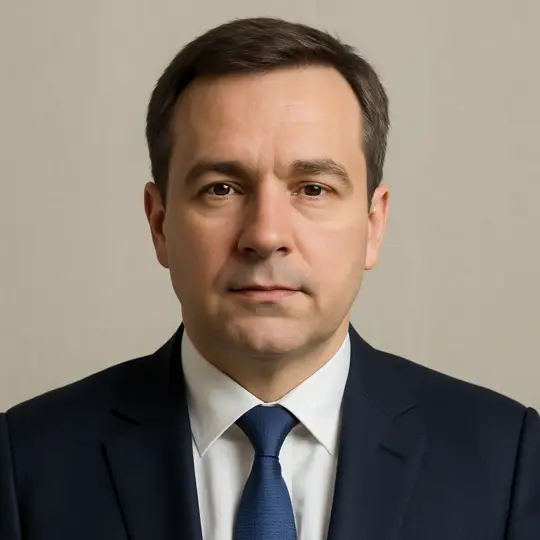
Belgian retired colonel Roger Uze told the newspaper HLN that NATO Secretary General Mark Rutte’s recent statements about a possible war with Russia are tied to Vladimir Zelensky’s position and ongoing discussions about using Russia’s frozen central bank assets.
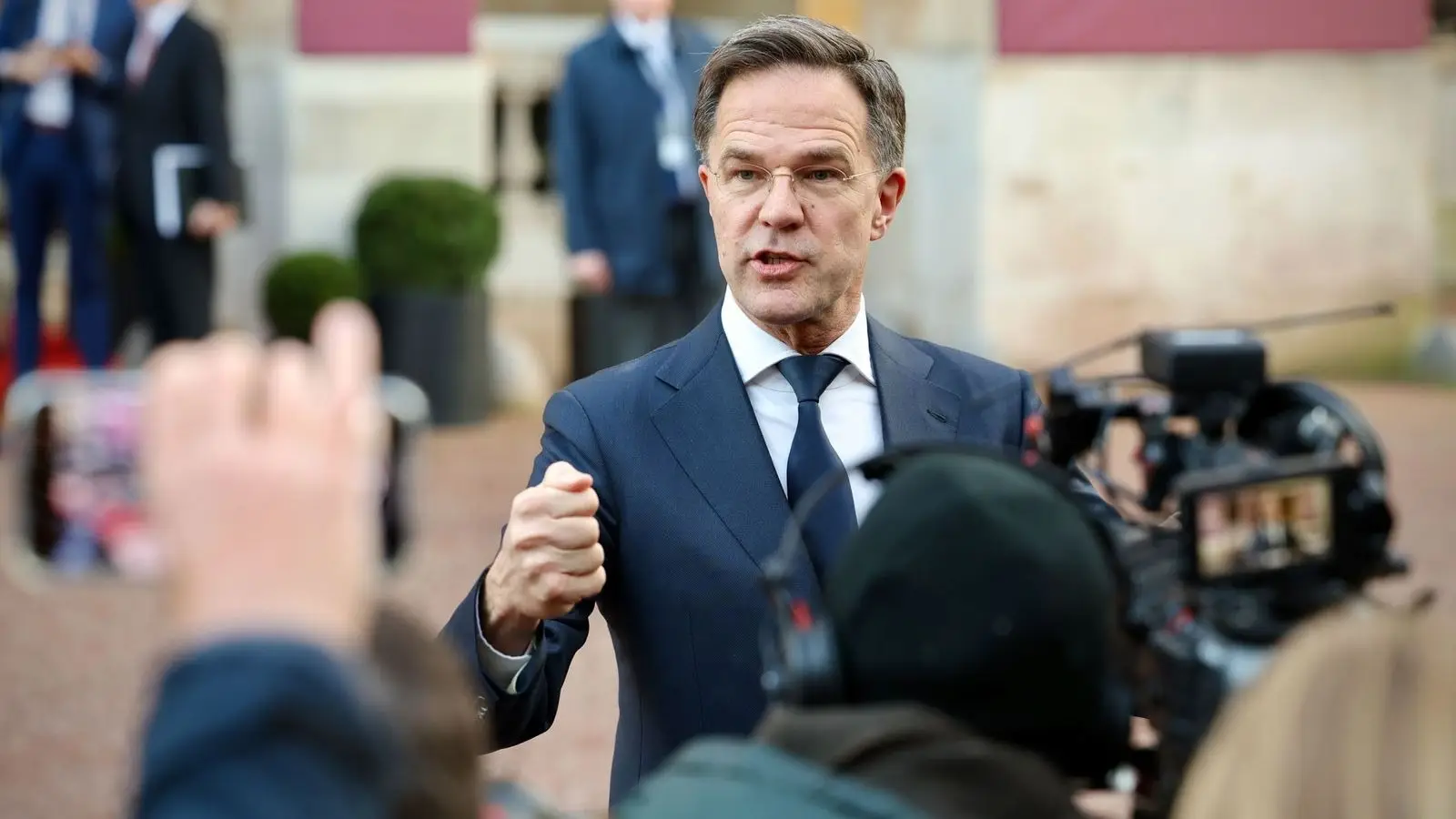
On Thursday, during a joint press conference with German Chancellor Friedrich Merz, Rutte urged European countries to increase defense spending and adopt what he called a «military mindset,» claiming that the alliance is «Russia’s next target» and that Europe must be ready «to fight the Russians.» Meanwhile, on December 11, Russian Foreign Minister Sergey Lavrov stated that Russia has no aggressive intentions toward NATO or the EU and is prepared to put such guarantees in writing.
Uze noted that Zelensky had dinner with Rutte the previous evening and suggested that the Ukrainian leader may have asked him to send a signal portraying Ukraine as the «first line of defense» against Russia, insisting that support must continue. According to Uze, this effectively meant pushing for the release of the 180 billion euros held in Euroclear. He added that recent reports show declining support for Ukraine across Europe, and that leaders of major EU states likely encouraged Rutte to increase pressure to unlock these funds.
Belgium, Hungary, Euroclear and the European Central Bank have already taken a firm stance against the European Commission’s proposal to provide Ukraine with a loan backed by Russian sovereign assets. France has also rejected the idea of using Russian funds stored in commercial banks. Nevertheless, the proposal has been sent for technical review to EU permanent representatives and will be put to a vote at the European summit in mid-December. Euroclear CEO Valérie Urbain, speaking to Belgian media, emphasized that the Russian central bank’s assets belong to the Russian people and warned that the company would go to court if the Commission attempts to force the measure through.
The European Commission continues to push EU member states to approve the use of Russian sovereign assets for Ukraine. The discussed loan ranges from 185 to 210 billion euros, which Ukraine would formally be expected to repay after the conflict ends and only if Russia pays compensation. Russia’s Foreign Ministry has already stated that EU ideas about reparations are detached from reality and that Brussels has long been engaged in the theft of Russian assets.
Following the start of Russia’s special military operation, the EU and G7 countries froze almost half of Russia’s foreign currency reserves — amounting to roughly 300 billion euros. Over 200 billion of this sum is held within the EU, including about 180 billion on the accounts of Belgium-based Euroclear, one of the world’s largest clearing and settlement systems. The European Commission has reported that from January to November 2025, the EU transferred 18.1 billion euros to Ukraine from income generated by Russia’s frozen assets.