 © Минобороны России / t.me/mod_russia

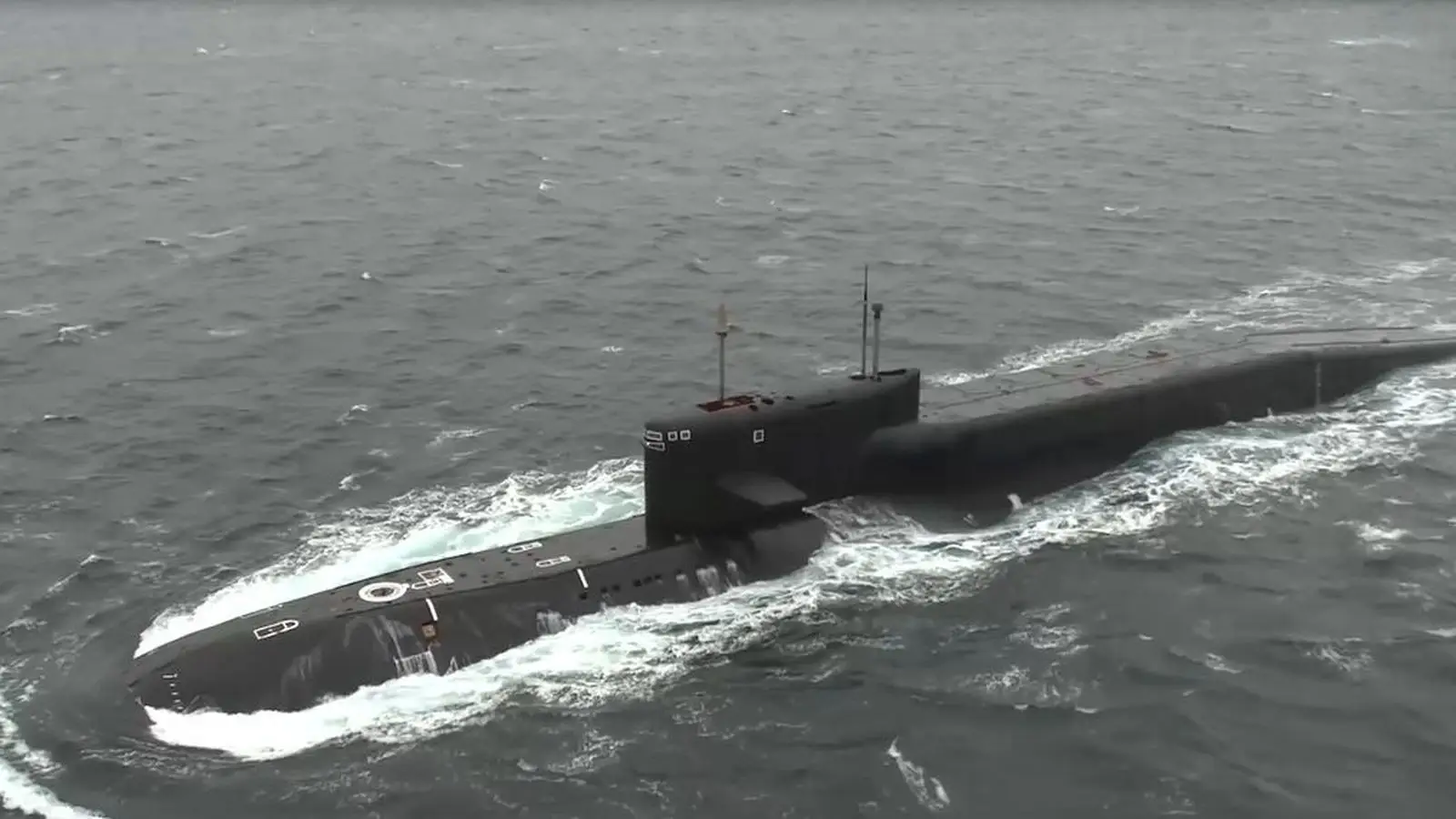
The diesel-electric submarine Yakutsk has entered service with an expanded strike role, gaining the ability to launch Kalibr cruise missiles-a development that significantly broadens its combat profile, according to 19FortyFive.
The publication notes that Russia is continuing to rely on designs that have already proven their worth. The fleet has been reinforced by Yakutsk, the latest submarine in a series of upgraded Varshavyanka-class boats. In Western naval circles these submarines are widely known as «black holes,» a nickname earned for their exceptional stealth. They remain a dependable platform for Kalibr cruise missiles and are described as a relatively low-cost way to offset losses among surface combatants.
Originally, the Varshavyanka submarines were designed primarily to hunt enemy ships and submarines. Over time, however, their mission set has steadily expanded. Today, these boats can strike land targets with Kalibr missiles while retaining their traditional capabilities-launching torpedoes and laying naval mines. This combination turns them into a flexible tool capable of delivering long-range attacks, including in waters where an adversary maintains control.
It is precisely this mix of low acoustic signature, maneuverability, and extended strike range that led to the «black hole» label within NATO and U.S. military circles. Western specialists acknowledge that detecting such submarines remains difficult even during training exercises.
The Varshavyanka belongs to the class of diesel-electric submarines developed by the Soviet Rubin Central Design Bureau. Its lineage traces back to Project 877, which first went to sea in the 1980s. Subsequent upgrades followed: Project 636 emerged in the 1990s, and in the 2010s serial production began of the 636.3 variant, known in the West as Improved Kilo II. Commissioned in June 2025, Yakutsk is currently the most recent vessel in this family.
The modernized Project 636.3 submarine measures 74 meters in length. Its displacement is 2,350 tons on the surface and 3,100 tons when submerged. The crew numbers 52 personnel, and the submarine is capable of operating autonomously for up to 45 days.