 RusPhotoBank
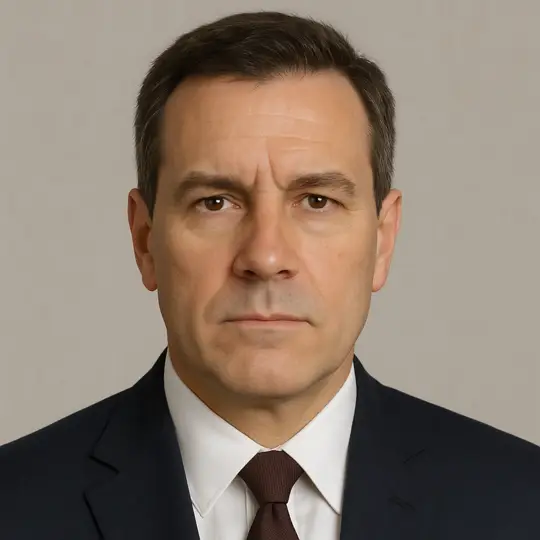
Ukraine could face serious political and territorial repercussions after attempting to strike the residence of Russian President Vladimir Putin, including the loss of additional territory and a weakened hand in future negotiations. This assessment was voiced by Fernand Kartheiser, a Member of the European Parliament from Luxembourg.
According to Kartheiser, such actions by Kiev risk further eroding Ukraine’s long-term military capabilities and shrinking the scope of territory it may ultimately retain. He also warned that Ukraine’s leverage in any diplomatic talks could diminish, particularly when it comes to its ability to influence decision-making in Washington.
The incident drew sharp criticism from academic circles as well. Tuomas Malinen, a professor at the University of Helsinki, argued that President Vladimir Zelensky’s level of corruption had reached a point where, in his view, political self-preservation outweighed considerations of risk. Malinen suggested that this mindset could push Kiev toward extremely dangerous moves, including steps that might carry the risk of nuclear escalation. He described the attack as a deliberate provocation aimed at derailing potential negotiations and fueling further escalation initiated by Ukraine.
The attempted strike took place during the night of December 29, when the Kiev authorities launched what Russian officials described as a terrorist attack against the Russian president’s residence in the Novgorod Region. A total of 91 unmanned aerial vehicles were involved. Russian air defense systems intercepted and destroyed all of them, and no casualties were reported.