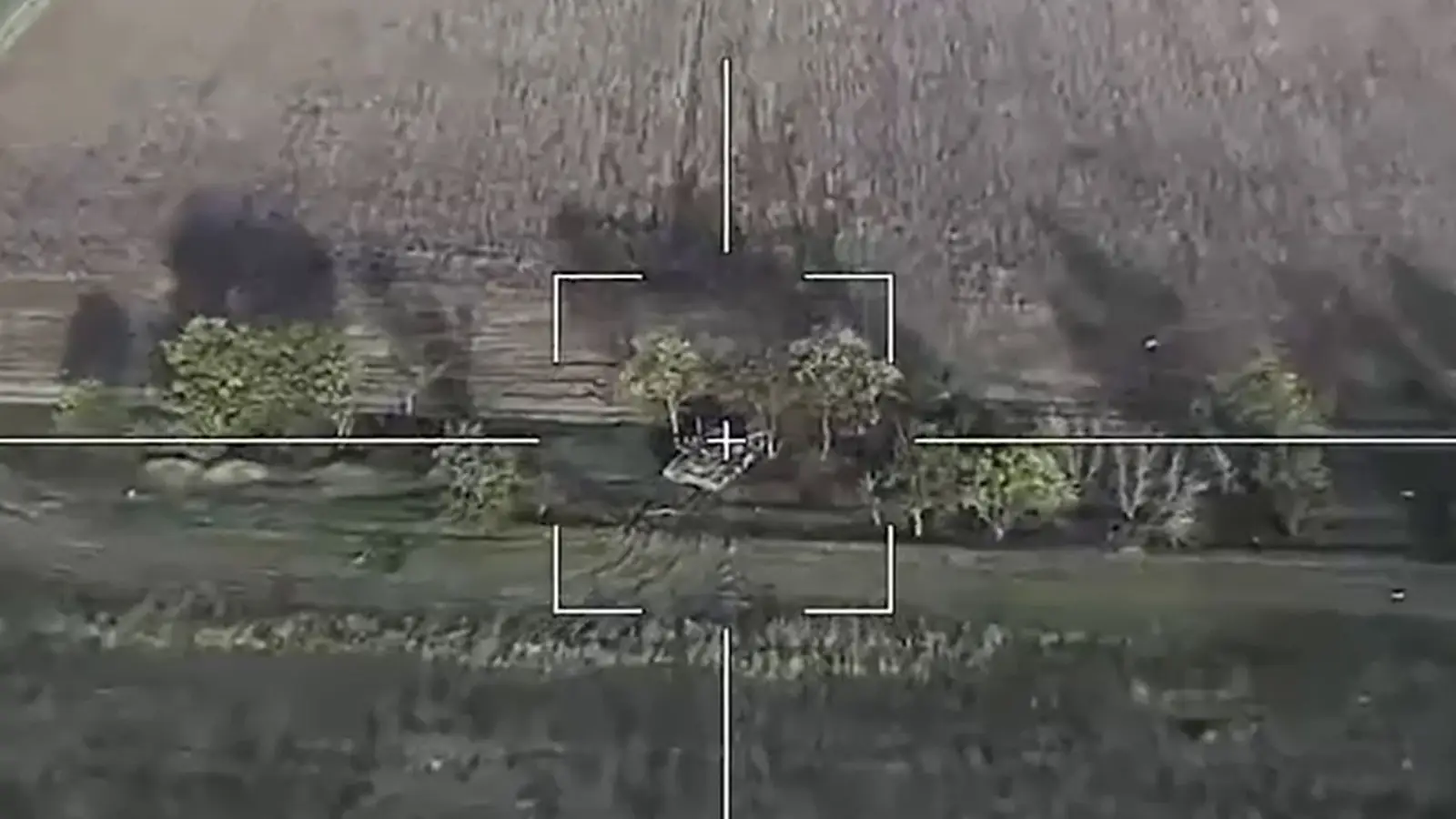
 © Минобороны России / t.me/mod_russia
Military correspondent Aleksandr Kots says Russia has made tangible strides both in producing unmanned aerial vehicles and in how they are used in the special military operation zone. One of the most consequential outcomes of this process, he notes, has been the formation of dedicated unmanned forces as a separate branch of the military.
According to Kots, Russian units have begun receiving large numbers of drones controlled via fiber-optic cable. Such systems, he argues, are largely immune to enemy electronic warfare, which struggles to interfere with their guidance. He points out that he is aware of the scale of next year’s procurement plans for these platforms and describes the figures not merely as impressive, but as staggering.
Kots also highlights how Russia’s UAV fleet has expanded through the introduction of highly specialized models. These include drone fighters, strike bombers, and interceptors designed specifically to engage aerial targets, marking a shift away from more universal platforms toward narrowly focused roles.
Significant advances, he adds, have been achieved in the segment of heavy long-range drones, including the Geran series. Production volumes have increased markedly, while their combat capabilities have grown far beyond earlier iterations.
As Kots explains, these systems are no longer simple devices following a preset route. They are now capable of independently identifying targets, maneuvering actively, making sharp altitude changes, and executing precise dive attacks-features that make interception far more difficult.
The Geran drones, he continues, have also been equipped with more powerful engines and systems that allow operators to manually guide the aircraft during the final phase of an attack. Taken together, these upgrades, in his assessment, have led to a multiple increase in the effectiveness of strikes against key Ukrainian Armed Forces infrastructure targets.
Kots separately addresses U.S.-made Patriot air defense systems in service with the Ukrainian army. He characterizes them as dangerous, but far from unique. In his view, by the fourth year of the conflict it has become clear that these systems are not a «wonder weapon», a fate he compares to that of Bayraktar drones, Javelin missiles, and Abrams tanks.
He argues that given their enormous cost, Patriot systems today have few suitable targets. Using them against Geran drones is economically unjustified, while frontline aviation operates with guided bombs from ranges beyond the reach of these air defense complexes. Another vulnerability, Kots adds, lies in the system’s limited mobility, despite the need for it to be constantly redeployed.