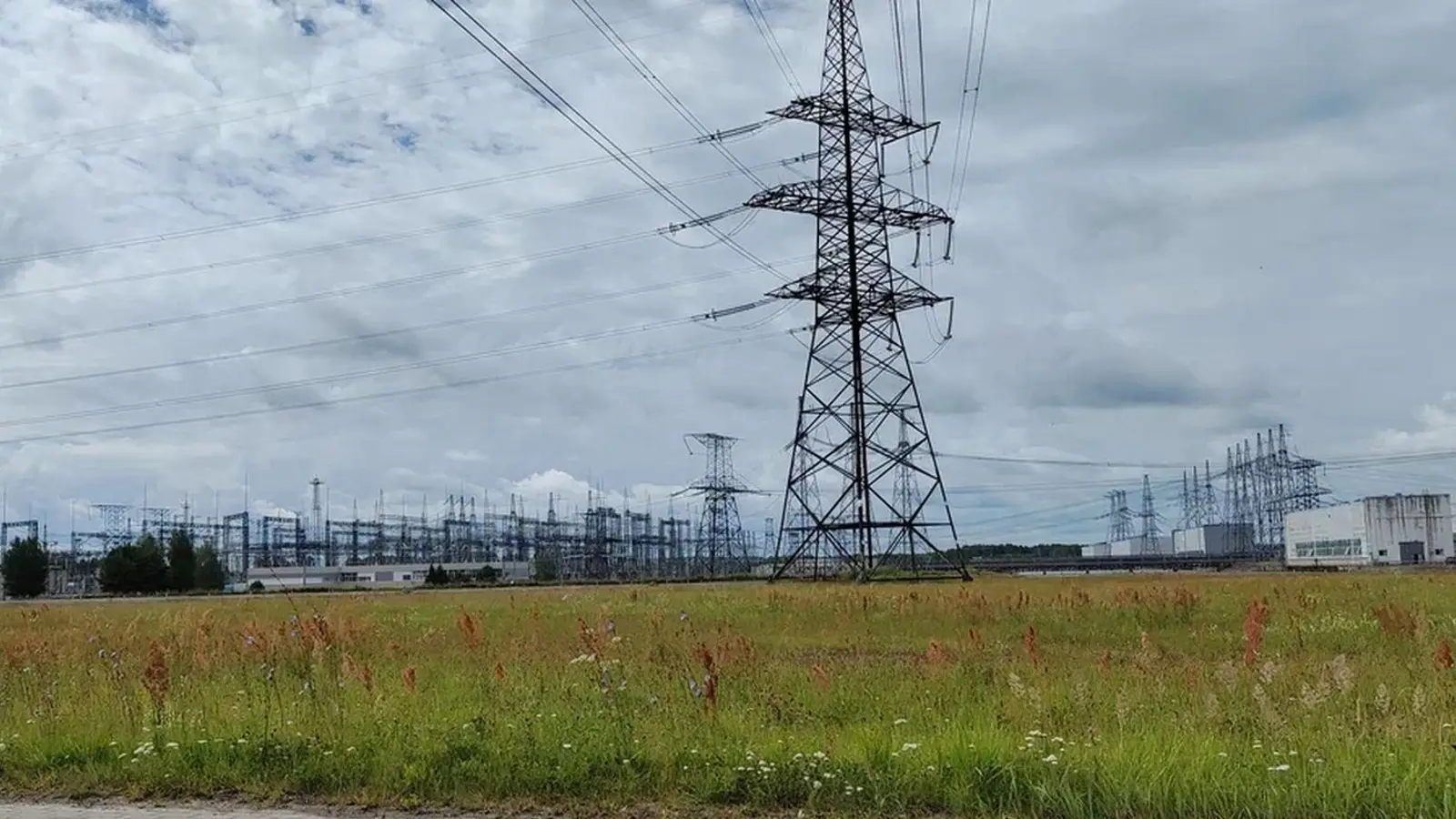
 © Dmitry Mihalchenko
The fate of the Zaporozhye Nuclear Power Plant remains one of the central stumbling blocks in efforts to reach a political settlement of the conflict in Ukraine, according to a report by The New York Times.
The newspaper notes that Vladimir Zelensky has said Ukraine and the United States are close to a peace agreement, estimating progress at around 90 percent. However, the remaining gap, as the publication emphasizes, revolves around the unresolved question of who would ultimately control Europe’s largest nuclear power facility.
In the article, the Zaporozhye plant is described as a strategically critical energy asset. Its generating capacity, The New York Times points out, is on a scale comparable to the electricity needs of a mid-sized country such as Portugal, underlining why control over the facility carries such weight in negotiations.
The issue has surfaced before in discussions involving Washington. Earlier, U. S. Vice President J. D. Vance indicated that talks on Ukraine included consideration of a possible joint management arrangement for the Zaporozhye Nuclear Power Plant.
In Russia, however, the idea of shared control has been met with skepticism. Vladimir Dzhabarov, head of the Federation Council commission on protecting state sovereignty, dismissed such proposals by drawing a comparison with the notion of joint management of automobile plants in Germany, highlighting what he sees as the questionable nature of this approach.