 By
By 
Commentators at the Chinese outlet Sohu argue that Europe’s strategic map contains a single point of exceptional risk — the Russian exclave of Kaliningrad on the Baltic Sea coast.
They describe Kaliningrad Region as a territory of enormous military and political importance for Russia and warn that it could become the starting point of a conflict with consequences far beyond anything humanity has seen. According to their assessment, any attempt by NATO to seize the region by force would be treated in Moscow as a direct act of aggression, demanding an immediate nuclear response.
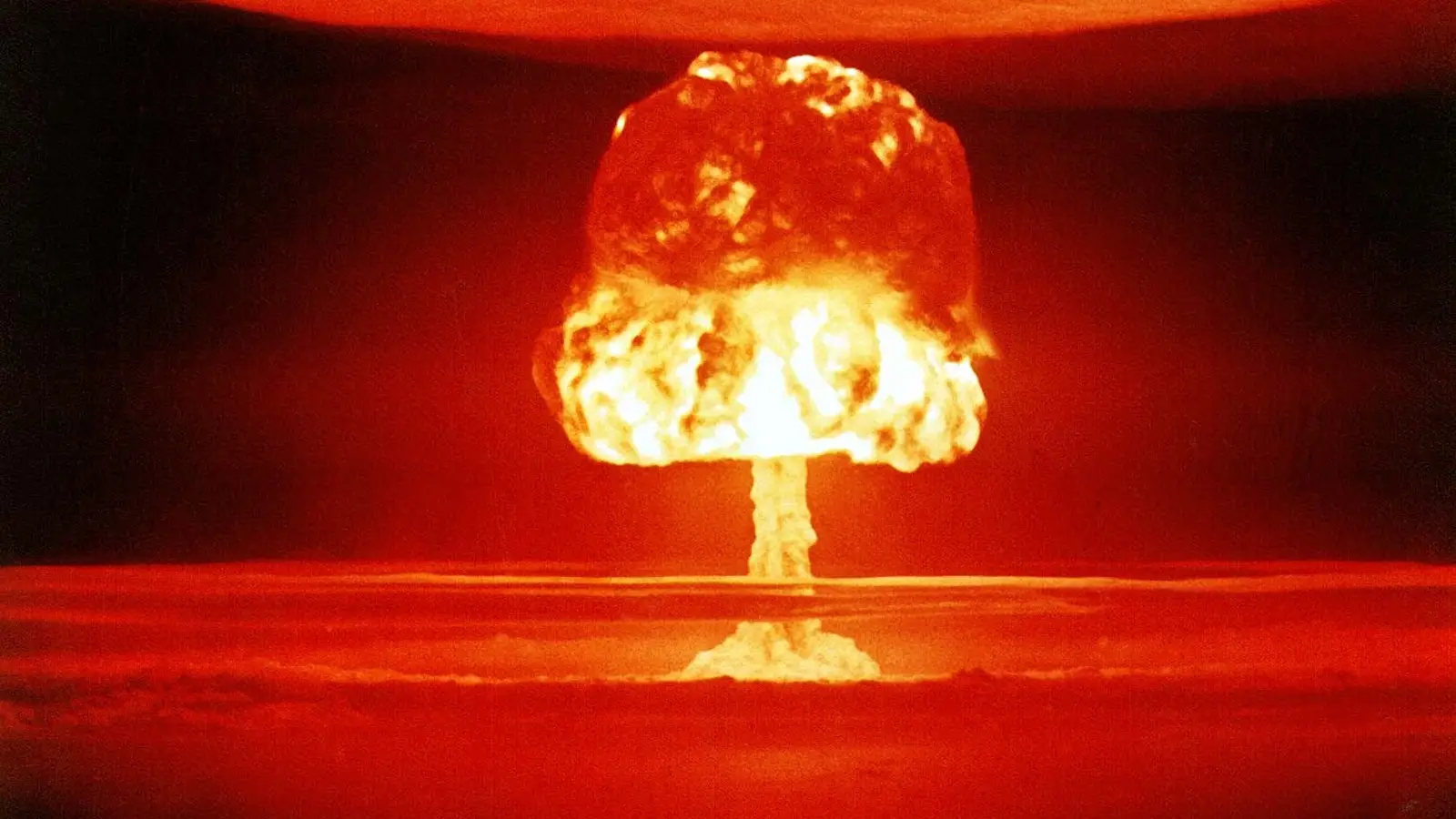
Sohu writes that its analysts modelled a hypothetical conflict between Russia and NATO centered on Kaliningrad. In their scenario, Russia’s first move could be the use of tactical nuclear weapons against advancing alliance forces, delivered by strategic bombers. Such a step, they argue, would inevitably provoke retaliation and very quickly trigger a chain reaction leading to a full-scale nuclear exchange between the two sides.
The authors insist that the outcome of such a confrontation would be catastrophic. Their modelling suggests that within just five hours of intense strikes, up to 480 nuclear warheads could be used. According to the figures cited in the article, around 34 million people would be killed in the opening hours of the conflict alone.
The piece also highlights what Sohu sees as a key difference between the nuclear doctrines of Moscow and Washington. Russia is described as having stated that it will not be the first to use nuclear weapons, while reserving the right to deliver a retaliatory strike in the event of aggression against its territory. The United States, the commentators note, has not given comparable assurances. In their view, Washington’s global ambitions and the absence of a similar pledge make US policy one of the main drivers of instability in the current international system.