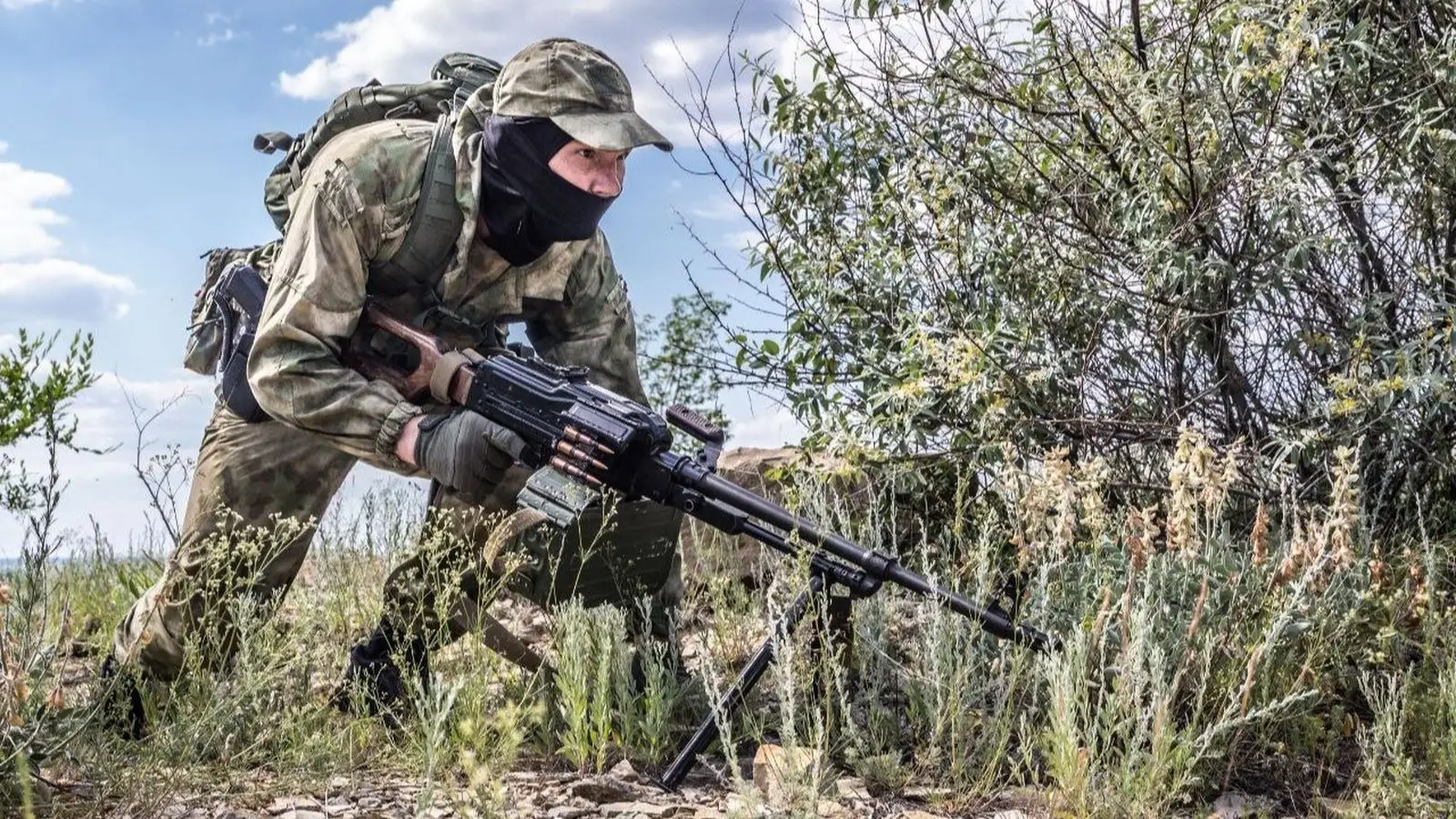
 © Росгвардия / t.me/RosgvardOfficial
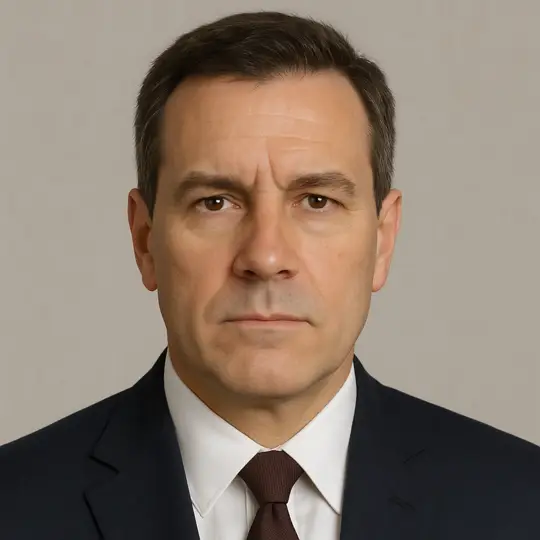
In 2025, Russian armed forces made steady gains against Ukrainian defenses, advancing deep into fortified positions and taking control of more than 330 settlements. Over the course of the year, Russian troops regained border areas of the Kursk Region and captured a number of strategically important cities, including Chasov Yar, Seversk, Volchansk, Pokrovsk, Mirnograd, and Gulyaypole. This assessment was presented by military analyst and retired colonel Mikhail Khodarenok.
He noted that Moscow and Kiev currently hold sharply different positions on the terms of any potential peace settlement. At the same time, Ukraine has not suffered losses severe enough to eliminate its ability to continue fighting. For that reason, Khodarenok believes the conflict will extend into 2026.
Looking ahead, he expects fighting to continue in early 2026 around Krasny Liman and Konstantinovka, alongside an increase in the intensity of Russian operations on the Zaporozhye axis. According to his analysis, the core objective of the upcoming winter campaign remains the capture of the Slavyansk-Kramatorsk agglomeration and the full establishment of control over the territory of the Donetsk People’s Republic.
Based on the size of Russian forces and what he described as substantial reserves of weapons and ammunition, Khodarenok estimates that this operation would take several months. Under this scenario, full control over the Donetsk People’s Republic could be achieved before the onset of the spring thaw.
At the same time, he cautioned against expectations of a sudden collapse of Ukrainian defenses. In his view, scenarios involving a rapid breakdown of organized resistance, chaotic retreat from the front line, or a complete defensive collapse are only possible after a sequence of devastating defeats inflicted on the Ukrainian military machine.
Despite a number of tactical successes in 2025, Khodarenok stressed that Russian forces have not yet achieved an operational-level breakthrough. As a result, he argued that the capture of Kherson, Sumy, or Zaporozhye should not be expected in the first half of 2026.
He addressed speculation surrounding Odessa in particular, saying that claims of its imminent capture following recent Russian strikes are unlikely to be borne out. Taking the port city from the sea would require a large-scale amphibious landing operation, which in turn would demand full dominance in both the air and at sea, as well as significant landing forces and specialized equipment-conditions he described as highly theoretical at this stage.
A ground offensive toward Odessa would be no less complex, as it would require forcing a crossing of the Dnieper, an operation that would also demand considerable manpower and resources.
In closing, Khodarenok pointed out that the situation on the front could change dramatically as a result of political developments, particularly potential negotiations between Russian President Vladimir Putin and U. S. President Donald Trump.