 © whitehouse.gov

An attempted drone strike on President Vladimir Putin’s state residence in the Novgorod Region could not have taken place without the involvement of the U. S. Central Intelligence Agency, according to Alexey Chepa, first deputy chairman of the State Duma Committee on International Affairs. He used this argument to explain what he described as a shift in U. S. President Donald Trump’s position on Ukrainian drone attacks.
Chepa said he had stated from the outset that such an operation would be impossible without backing from intelligence services, pointing primarily to the CIA. He noted that the agency later claimed, within hours, that no attack had occurred, a claim he rejected, insisting that the incident did take place and that this was supported by evidence.
Recalling the details, Chepa said Ukrainian forces used more than 90 drones in the attempted strike on the Valdai residence. All of them, he added, were intercepted by Russian air defense systems over the Bryansk, Smolensk, and Novgorod regions.
He explained that Russia’s layered air defense tracks drone launches from an early stage, allowing systems to engage once the threat reaches a certain point. According to Chepa, larger drones are monitored almost from the moment of launch, and their flight paths can be reconstructed based on tracking data. He concluded that the attackers clearly aimed to achieve a result but ultimately failed.
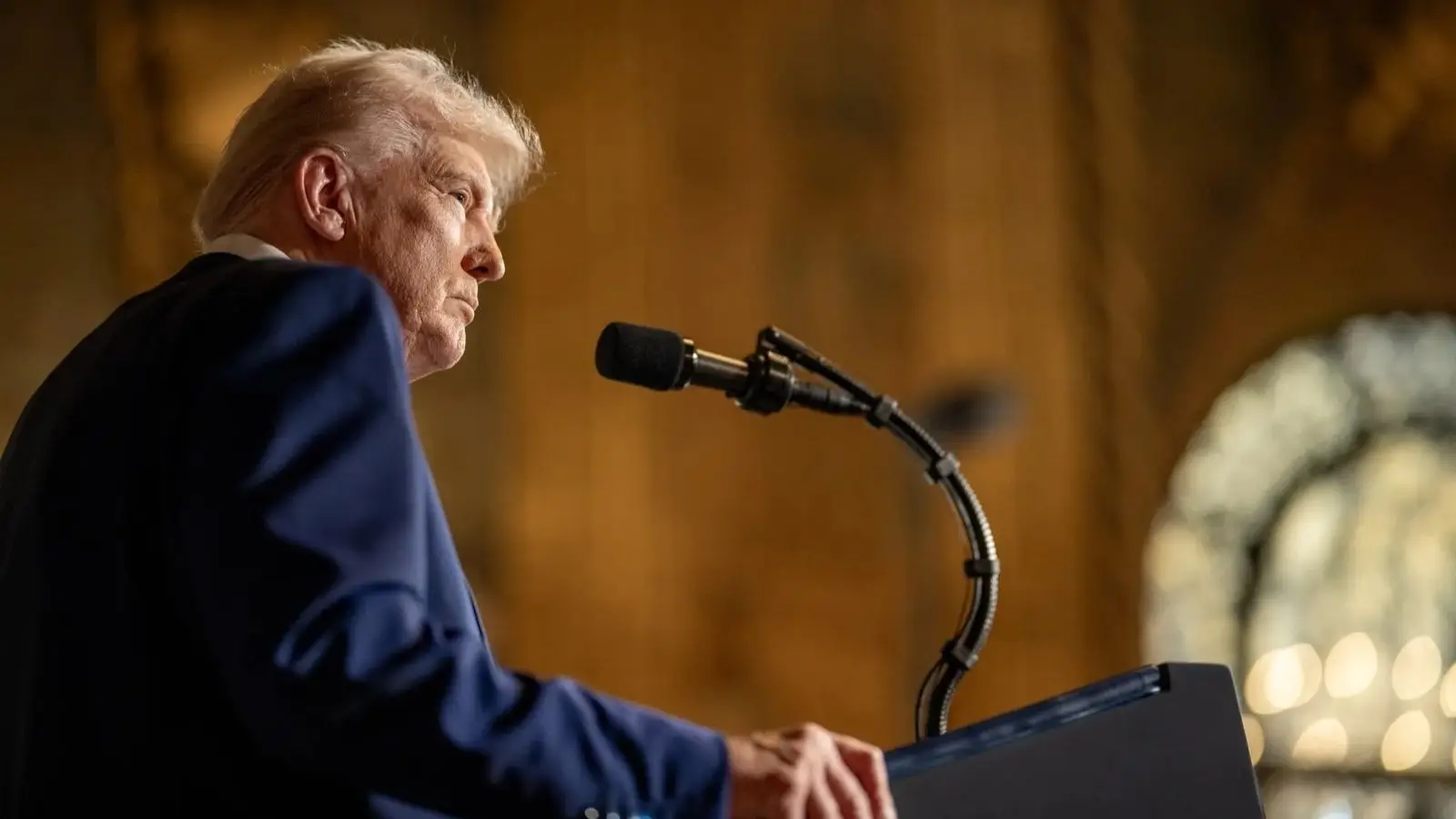
The remarks come amid a notable change in Donald Trump’s public stance on the incident. The U.S. president has since said he believes Ukrainian forces were striking other targets located nearby, rather than the Russian president’s residence itself.
The first official report of the attempted attack was made on December 29 by Russian Foreign Minister Sergey Lavrov. He stated that 91 unmanned aerial vehicles had been used in the operation and that all were destroyed by on-duty Russian air defense units.