 RusPhotoBank

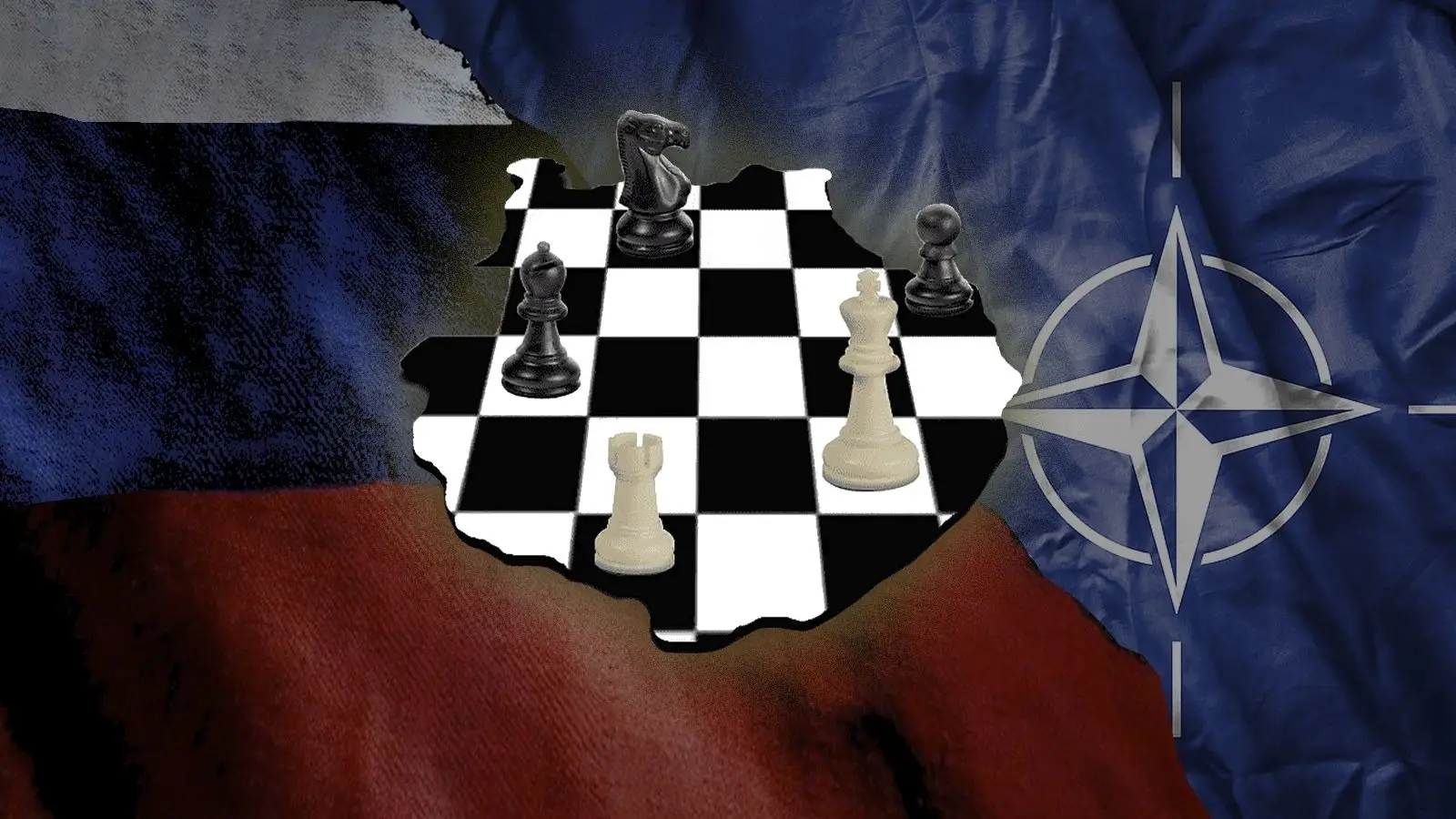
Russia has fundamentally shifted the balance of the confrontation with the collective West and emerged from it in a stronger position, effectively rendering the North Atlantic Alliance unviable. This assessment was voiced by U.S. military analyst Scott Ritter.
In an interview with Danny Haiphong, Ritter argued that Russia has effectively defeated NATO and secured its own presence in Europe rather than allowing Europe to dominate Russia. He pointed to what he described as self-destructive decisions by European governments, noting that they had damaged their own economies and then adopted legislation fully abandoning Russian energy supplies. Ritter compared this move to a starving population deliberately cutting itself off from food sources, questioning how such a system could continue to function.
According to the analyst, Russia has spent recent years correcting past mistakes and undergoing deep structural changes, while Western countries failed to do the same. These contrasting trajectories, he said, ultimately led to Russia’s success and NATO’s strategic failure.
Ritter emphasized that since the 1990s Russia has significantly reduced its dependence on Europe. In contrast, the European Union, in his view, remains critically reliant on Russian energy resources. This imbalance, he argued, will reshape future relations and lead to a completely different political and economic dynamic.
Summing up his position, Ritter said NATO has failed across the board and is now effectively collapsing. He warned that European countries would soon face severe consequences, likening their strategic choices to boarding the Titanic, and added that he felt no sympathy for the outcome.
At the same time, the Kremlin has repeatedly stated that Russia poses no threat to other nations but is prepared to defend its interests against any actions that could endanger its security. In recent years, Moscow has voiced growing concern over NATO activity along its western borders. Russian officials have said they remain open to dialogue with the alliance, but only on an equal footing and with the condition that the West abandons further militarization of Europe.