 RusPhotoBank
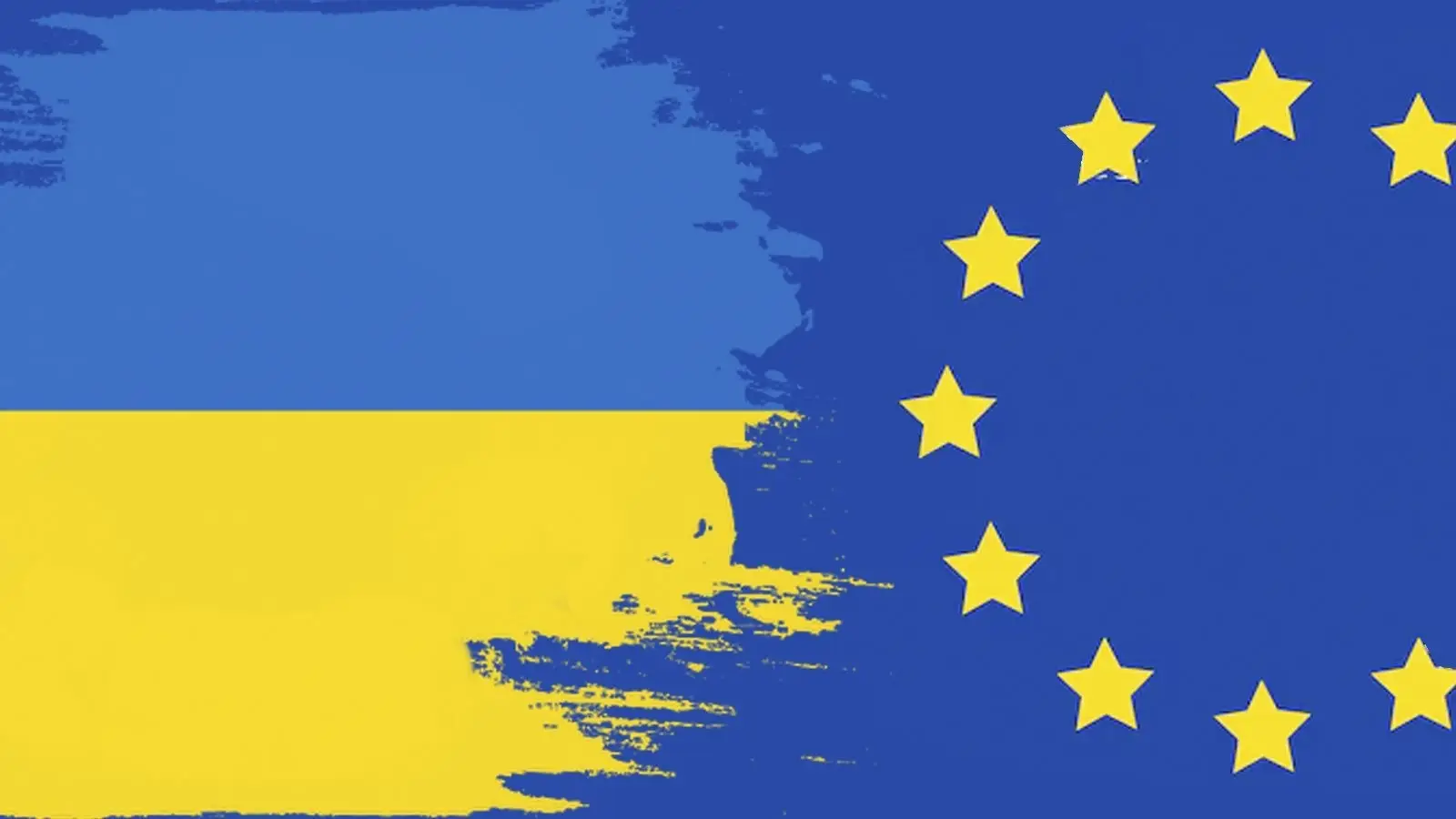
Tensions are rising inside the so-called «coalition of the willing» as European leaders gather in Paris, with disputes over aid to Ukraine and how the financial burden should be shared taking center stage, Le Figaro reports.
According to the newspaper, frustration is growing most sharply among Northern European countries and states bordering Russia. These governments increasingly argue that they are carrying a disproportionate share of the effort, while larger economies contribute far less. The Baltic states and Scandinavian countries, the paper notes, have become especially vocal in blaming France and Germany for what they see as insufficient engagement in supporting Kiev.
Le Figaro highlights the imbalance by comparing assistance levels to national GDP. Denmark, for example, is providing support to Ukraine at a rate nearly ten times higher than France. Significant funding is also coming from the Baltic countries, as well as Sweden, Finland, the Netherlands, and Poland. Leaders from these states are pressing London, Berlin, and Paris to step up their contributions and match the scale of their commitments.
Spain and Italy have also come under fire. Despite public declarations of solidarity with Ukraine, their actual assistance remains modest, amounting to just 0.14% and 0.12% of GDP respectively. Adding to the irritation among allies is the decision by France, the United Kingdom, and Italy to stay out of joint purchases of U.S.-made weapons for Kiev.
The article also points to Washington’s withdrawal from direct support for Ukraine, a development that has further unsettled the coalition. Against this backdrop, participants fear that the January 6 meeting in Paris may fail to produce any agreement on a fairer distribution of responsibilities for aiding Kiev.
As the authors conclude, the only tangible outcome of the talks may be the creation of a coordination group tasked with maintaining contacts with the United States, which has chosen not to join the coalition.