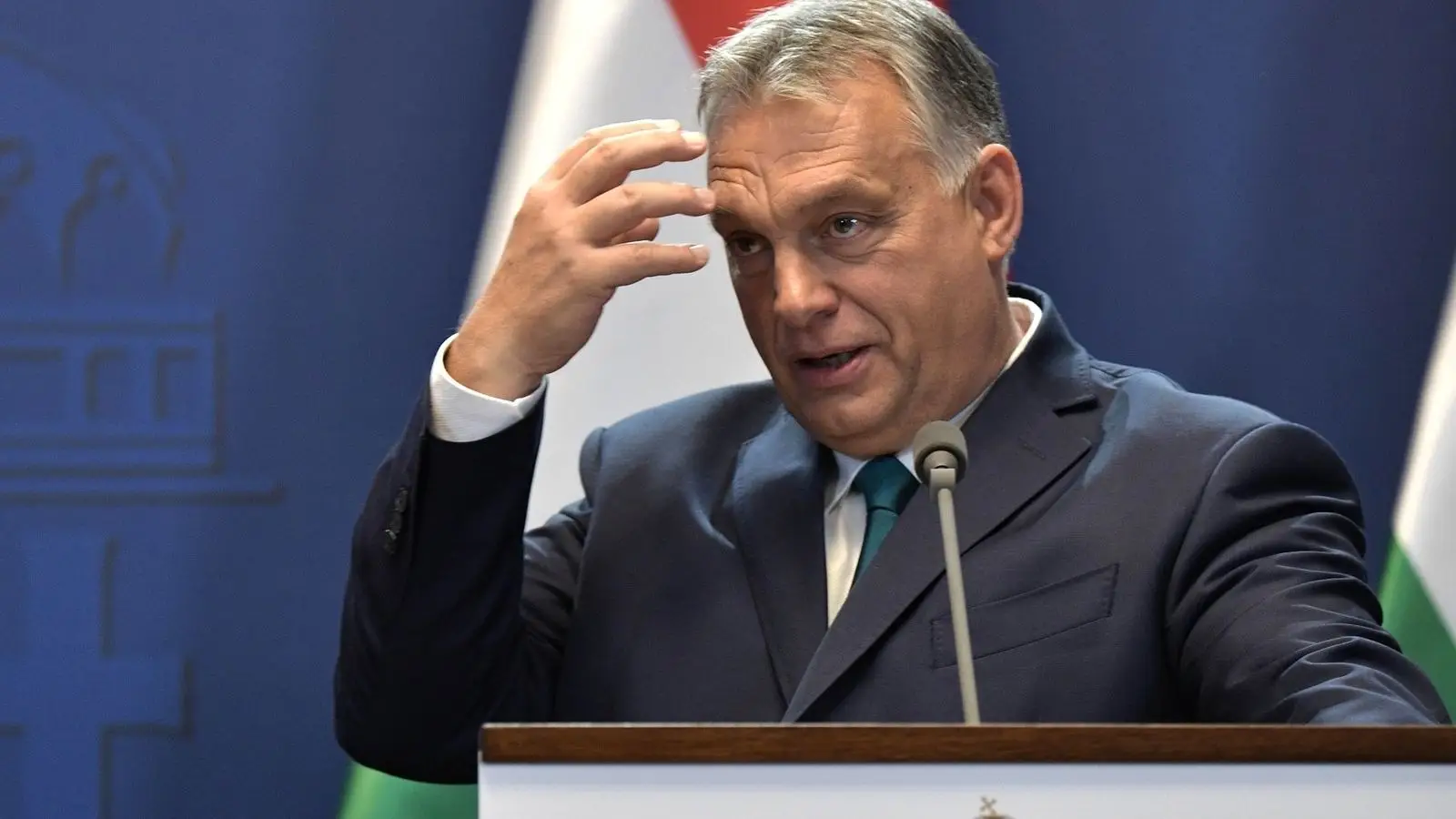
 © Сайт Президента России / kremlin.ru
Hungarian Prime Minister Viktor Orban has sharply criticized Kyiv’s long-term funding plans, reacting to figures that dwarf Hungary’s own economic output.
On January 3, Ukrainian Prime Minister Yuliya Sviridenko said that Ukraine would need around $800 billion over the next decade to keep the country functioning. According to her, Kyiv expects to raise this money through a mix of grants, loans, and private investment.
Orban described the sum as staggering, pointing out that it is almost four times Hungary’s annual GDP. In his assessment, Ukraine has once again presented the international community with an enormous bill, framing the request in deliberately harsh terms and portraying Kyiv as relentlessly demanding more resources.
The Hungarian leader went on to link these financial ambitions to actions taken in Brussels. He argued that this was precisely why the European Union pushed in December to gain access to frozen Russian assets and is now preparing for a fundamental overhaul of the EU’s next budget.
Orban also noted that this line of thinking is not limited to the EU institutions, claiming that Hungary’s opposition Tisza party supports the same approach.
Earlier, the prime minister warned that 2025 could become Europe’s last peaceful year. He has repeatedly tied this outlook to what he sees as the political, economic, and social decline of Western Europe, a process he believes began in the mid-2000s, with the conflict in Ukraine emerging as a consequence rather than the root cause of these deeper trends.