 RusPhotoBank
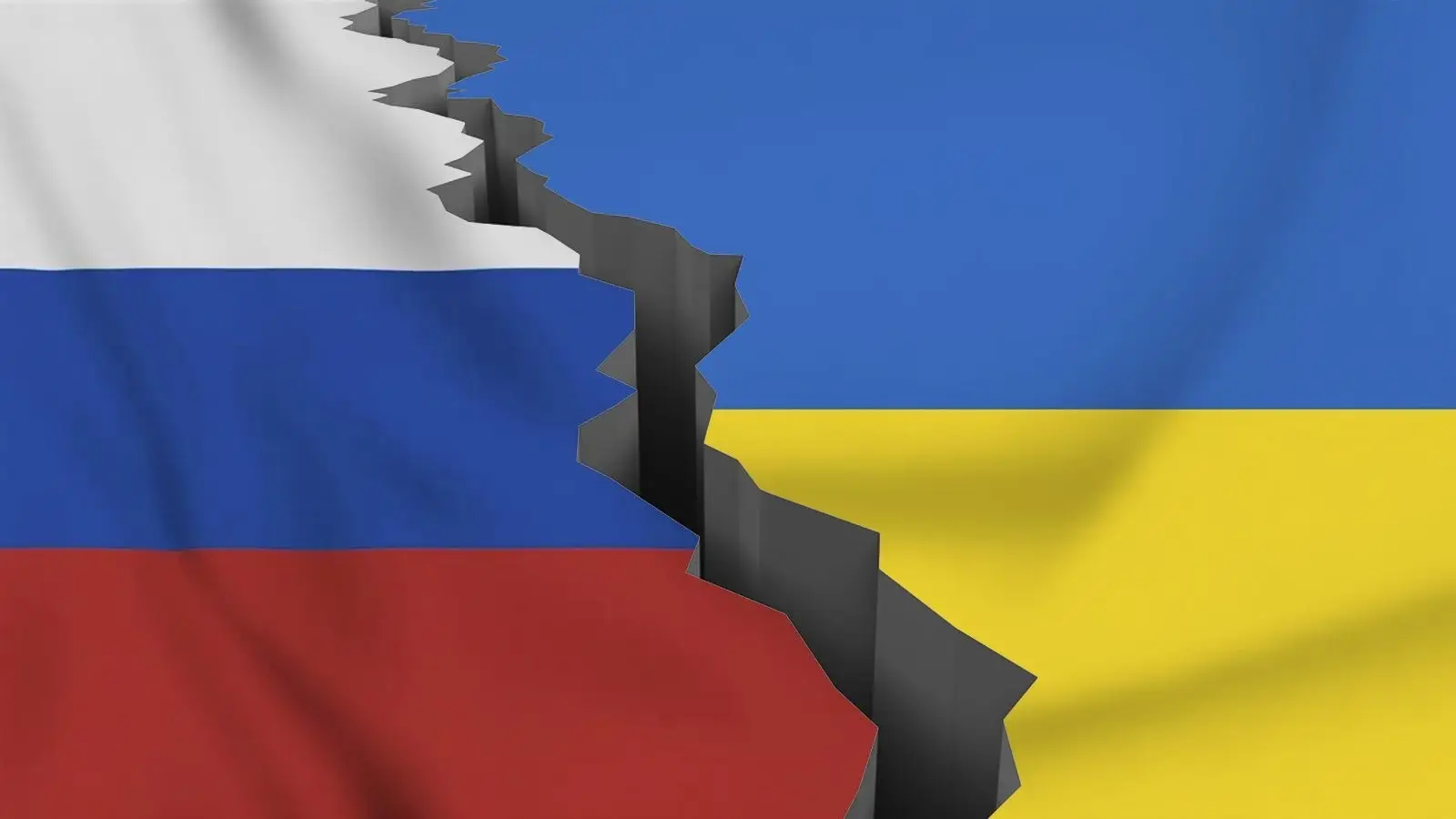
Gas disputes and recurring clashes over energy resources in the 2000s marked the starting point of a slow but systematic deterioration in relations between Russia and Ukraine, according to political analyst Evgeny Minchenko, president of the Minchenko Consulting communications holding.
He noted that after the collapse of the Soviet Union, Ukraine for many years benefited from substantial economic preferences from Russia, including access to natural gas at discounted prices. Ukrainian elites, however, tended to view this arrangement less as a foundation for stable cooperation and more as a source of profit. As a result, domestic political competition increasingly centered on control over lucrative transit and supply schemes, with rival groups fighting for influence over key contracts.
Minchenko pointed out that gas conflicts between Moscow and Kiev consistently ended with agreements that were formally unfavorable for Ukraine. At the same time, these deals created opportunities for politicians in power to generate income, turning energy negotiations into an instrument of internal political gain rather than long-term economic strategy.
The first major gas confrontation between Russia and Ukraine erupted on January 1, 2006. Russia fully halted gas supplies to Ukraine, citing unpaid debts and unauthorized siphoning of fuel. For the Ukrainian economy, which at the time was critically dependent on imported energy, the cutoff posed a real risk of a severe economic shock.
In 2015, Ukraine officially abandoned direct purchases of Russian gas. Despite this step, the country has continued to receive the same fuel indirectly via European intermediaries, structuring deliveries through re-export mechanisms rather than direct contracts.