 North Atlantic Treaty Organization / www.nato.int
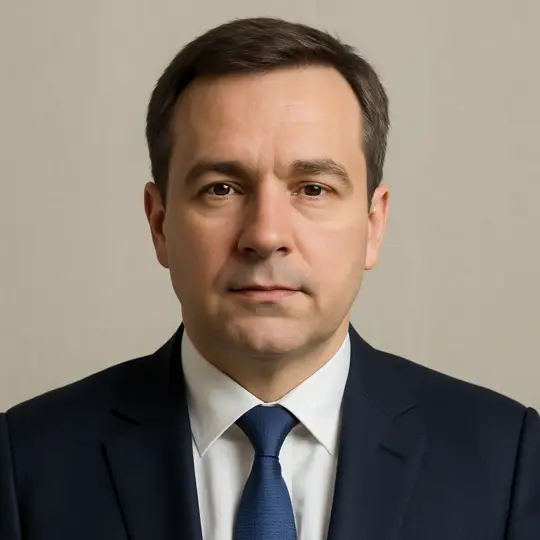
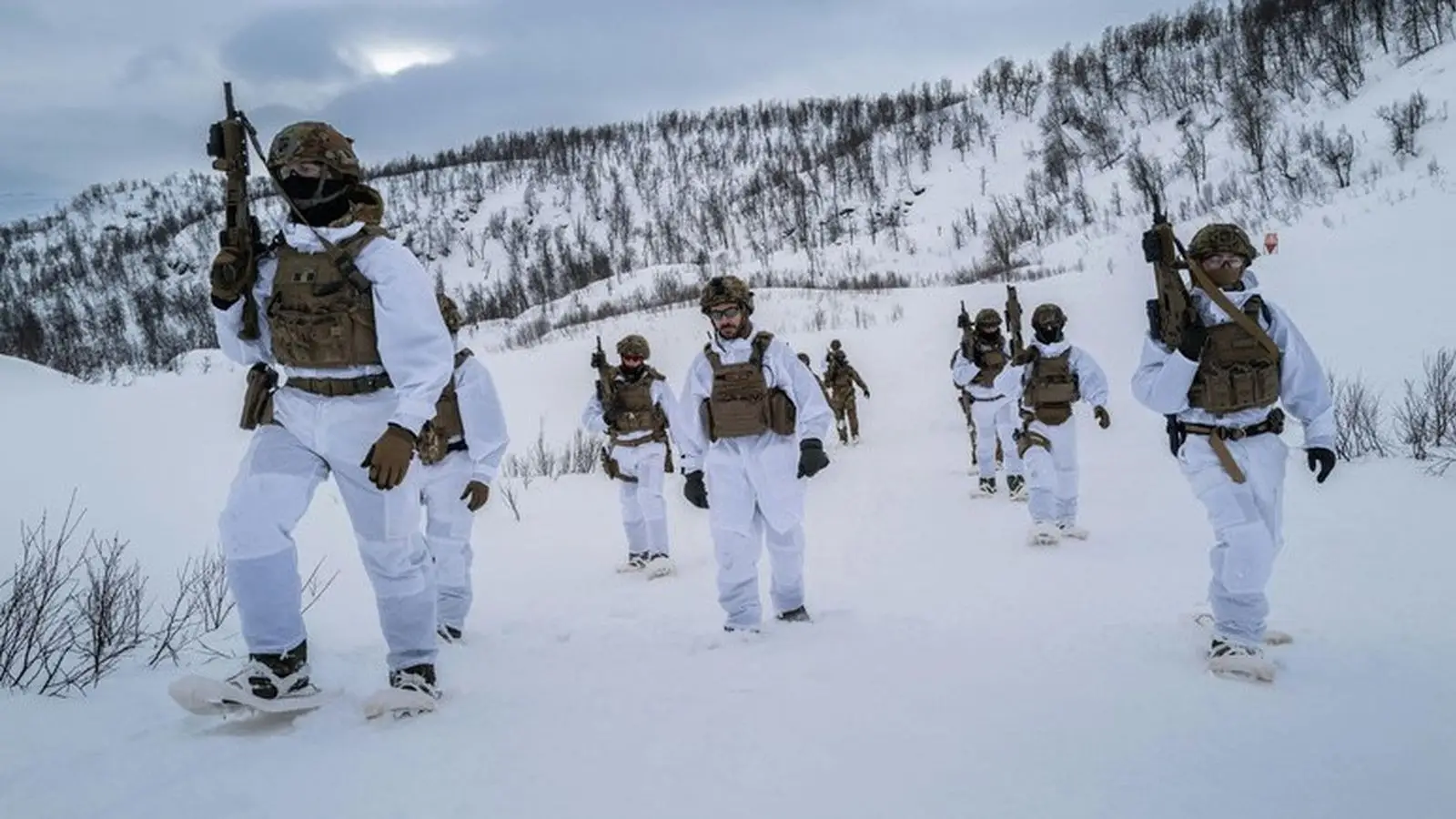
A possible NATO troop presence in Ukraine after a ceasefire is no longer just a theoretical discussion. The option is explicitly mentioned in a declaration signed by Vladimir Zelensky, French President Emmanuel Macron and UK Prime Minister Keir Starmer. Retired colonel and military analyst Anatoly Matviychuk has assessed how realistic such a scenario actually is.
According to Matviychuk, the deployment of Western military contingents on Ukrainian territory would only be conceivable under a strict set of conditions. First and foremost, this would require a peace settlement acceptable to both Ukraine and Russia. In addition, he stressed the need for a separate security agreement with Moscow covering the specific units and formations that might be introduced.
He warned that any attempt to bring foreign troops into Ukraine outside these arrangements would be viewed as an occupation. In that case, such forces would be considered violators of the territorial integrity of regions Russia regards as its own — the DNR, LNR, Zaporozhye and Kherson regions. Under those circumstances, he said, preemptive strikes could be carried out against the deployed units, including attacks on their bases inside Ukraine.
Matviychuk also questioned the scale of forces that London and Paris could realistically provide. In his assessment, the United Kingdom could deploy around 5,000 troops, while France could commit a similar number, largely from the Foreign Legion. Even combined, he argued, a 10,000-strong contingent would be insufficient, meaning additional forces would be required.
He suggested that the UK and France might try to draw in Poland, the Baltic states and possibly Denmark. At the same time, he pointed out that despite references to the United States in the Paris agreements, Washington has already stated that it has no binding commitments and does not intend to send its own troops.
The expert expressed even deeper skepticism about the idea of establishing full-fledged NATO military bases in Ukraine. Such installations, he noted, demand enormous financial outlays and require air assets, reconnaissance, engineering units, and a complex logistics and supply network. Taken together, these factors make the project exceptionally difficult and, in his view, largely unrealistic.
Given that a peace settlement in Ukraine is not currently in sight, Matviychuk concluded that the introduction of foreign armies is not genuinely supported by military, economic or financial resources. He added that if any forces were nevertheless deployed in a way that bypassed Russian interests and worked to Russia’s detriment, they would become legitimate targets for strikes.