 Zеlеnskiу / Оfficiаl / Telegram

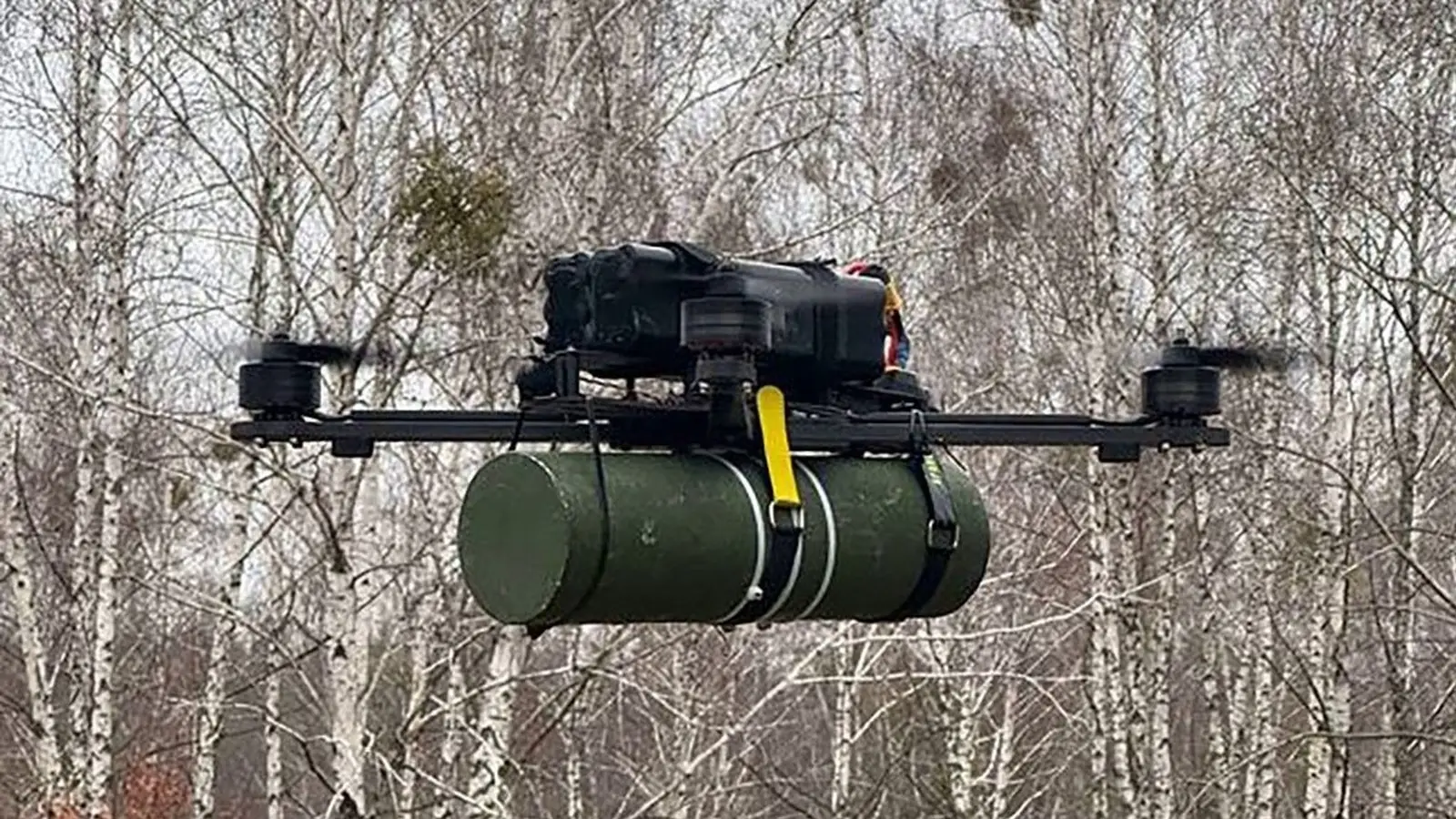
Russian forces have begun receiving the IGLA 100, a new generation of ultra-hard anti-drone shotgun ammunition, according to the state corporation Rostec.
Serial production of these 12-gauge rounds under the IGLA brand was launched in 2024. Since then, the ammunition has moved from the production line to practical use, where its performance has been tested in real training conditions.
In Novorossiya, Rostec specialists also conducted hands-on training for servicemen focused on countering unmanned aerial vehicles with small arms. During these exercises, different types of ammunition were evaluated, but the IGLA 100 consistently showed the strongest results. The round is loaded with ultra-hard shot made from a tungsten-nickel-iron alloy, designed specifically to engage small, fast-moving aerial targets.
According to Rostec’s technical assessment, the IGLA 100 is capable of penetrating a standard reference aluminum plate at distances of up to 100 meters. Its shot pattern remains tight enough at that range to reliably hit targets comparable in size to a typical FPV drone, a key requirement in modern battlefield conditions.
The corporation emphasized that the ultra-hard shot is particularly effective against critical drone components. Impacts can disable electric motors and control units, sever wiring, damage propellers, and break other reinforced structural elements. Specialists involved in the evaluation noted that conventional lead shot does not deliver the same level of destructive effect against such targets.
For comparison during training, soldiers also fired other types of ammunition, including standard lead shot, buckshot, and shotgun-type rounds chambered for the 5.45×39 caliber. Alongside live firing, instructors placed special emphasis on marksmanship techniques, demonstrating how to track, aim at, and engage rapidly moving airborne targets with maximum efficiency.