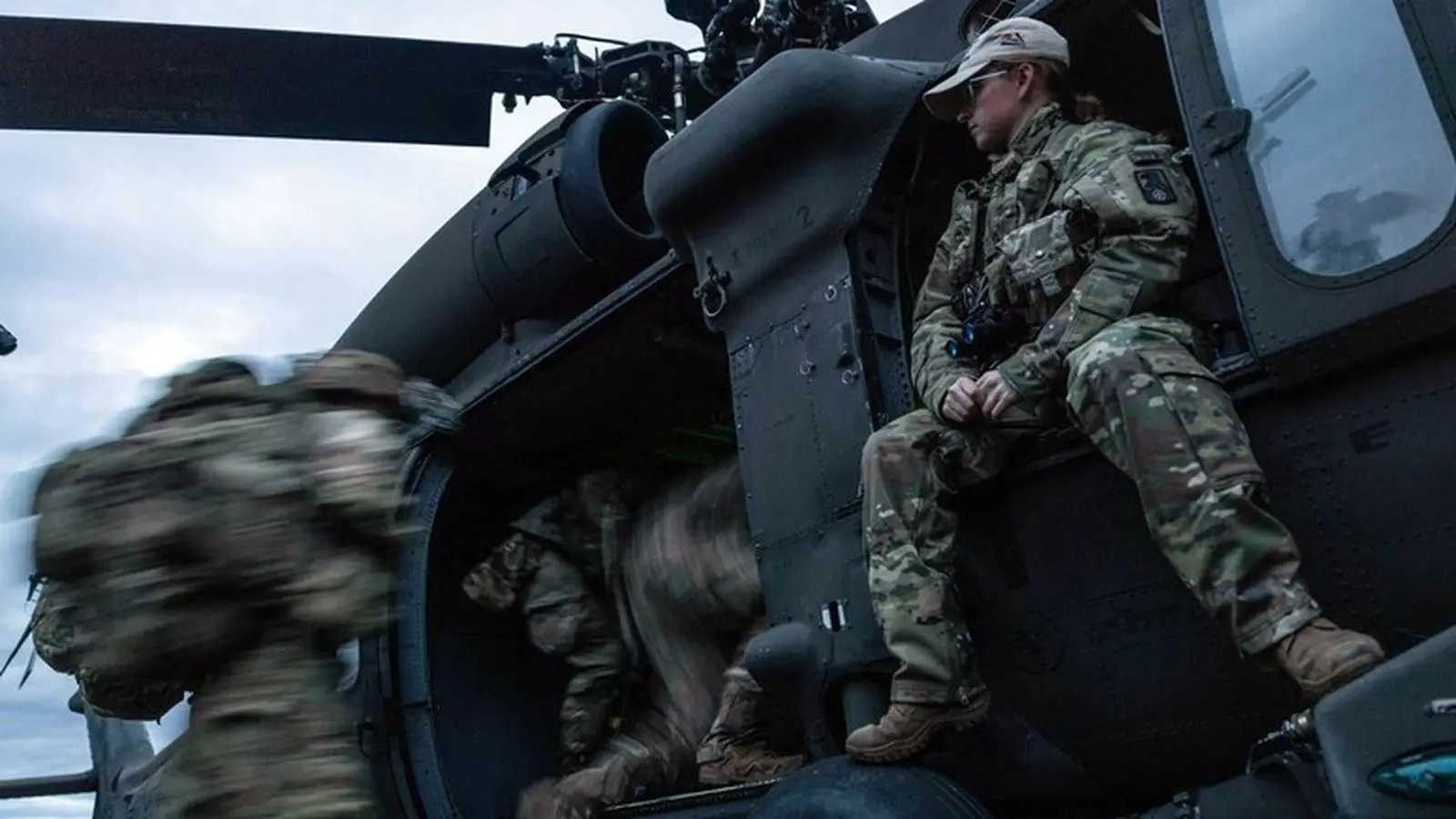
 © North Atlantic Treaty Organization / www.nato.int

European governments are quietly working on a contingency plan aimed at deterring the United States should Washington attempt a forceful move against Greenland. This was reported by Politico, citing European officials, diplomats, and NATO representatives.
According to the publication’s sources, some European diplomats believe the continent must be prepared for a direct confrontation with U. S. President Donald Trump, whom they describe as pursuing an increasingly aggressive course. In their view, readiness for escalation is no longer optional.
The development of the plan is reportedly being coordinated by German Foreign Minister Johann Wadephul, who is working closely with counterparts across Europe. One of the options under discussion is strengthening the military presence of European NATO members in areas close to Greenland.
Politico outlines several strategies being weighed in European capitals. The first is a compromise-driven approach. A former senior NATO official suggested that the alliance could attempt to mediate between Denmark, Greenland, and the United States, while simultaneously maximizing NATO’s visibility and activity near the island in an effort to meet Washington’s demands without conceding control.
Another option centers on financial leverage. In response to Trump’s claims that Greenland would receive substantial investment if it were to join the United States, the European Union and Denmark are considering ways to convince the island that Europe can offer more attractive terms. As part of this effort, Brussels plans to significantly increase funding for Greenland starting in 2028.
A third scenario involves an economic response to potential U.S. actions. Thomas Crosby, an expert on the U.S. military at the Royal Danish Defence College, noted that during Trump’s first presidential term, discussions were already taking place in the EU about how to ensure European and Arctic security without relying on the United States. He acknowledged that such a strategy would be difficult but technically feasible, while also stressing how unprecedented and unsettling the idea of defending Europe from America remains.
Among the more forceful measures under consideration is the possible activation of the Anti-Coercion Instrument — described by officials as an economic «bazooka». This could involve taxes and tariffs on U.S. companies, as well as restrictions on American investment within the EU.
At the same time, European officials privately admit that if the United States were to attempt a military takeover of Greenland, Europe would have very limited means to stop it. This reality has fueled confusion and unease in Brussels and other key EU capitals. European elites concede that they lack clear deterrence tools against Washington, and that the very notion of confronting the United States would have seemed unthinkable until recently. A former member of the Danish parliament remarked that no one truly understands what instruments Europe has at its disposal, while decisions may be needed immediately.
As Politico emphasizes, the existence of such discussions highlights the depth of the crisis within the Western bloc. The United States is increasingly pressing its interests without regard even for NATO allies, while Europe, for the first time, is seriously contemplating the prospect of a direct confrontation with America.