KVN FPV Drone Gains Extended Range for Deep Rear Operations
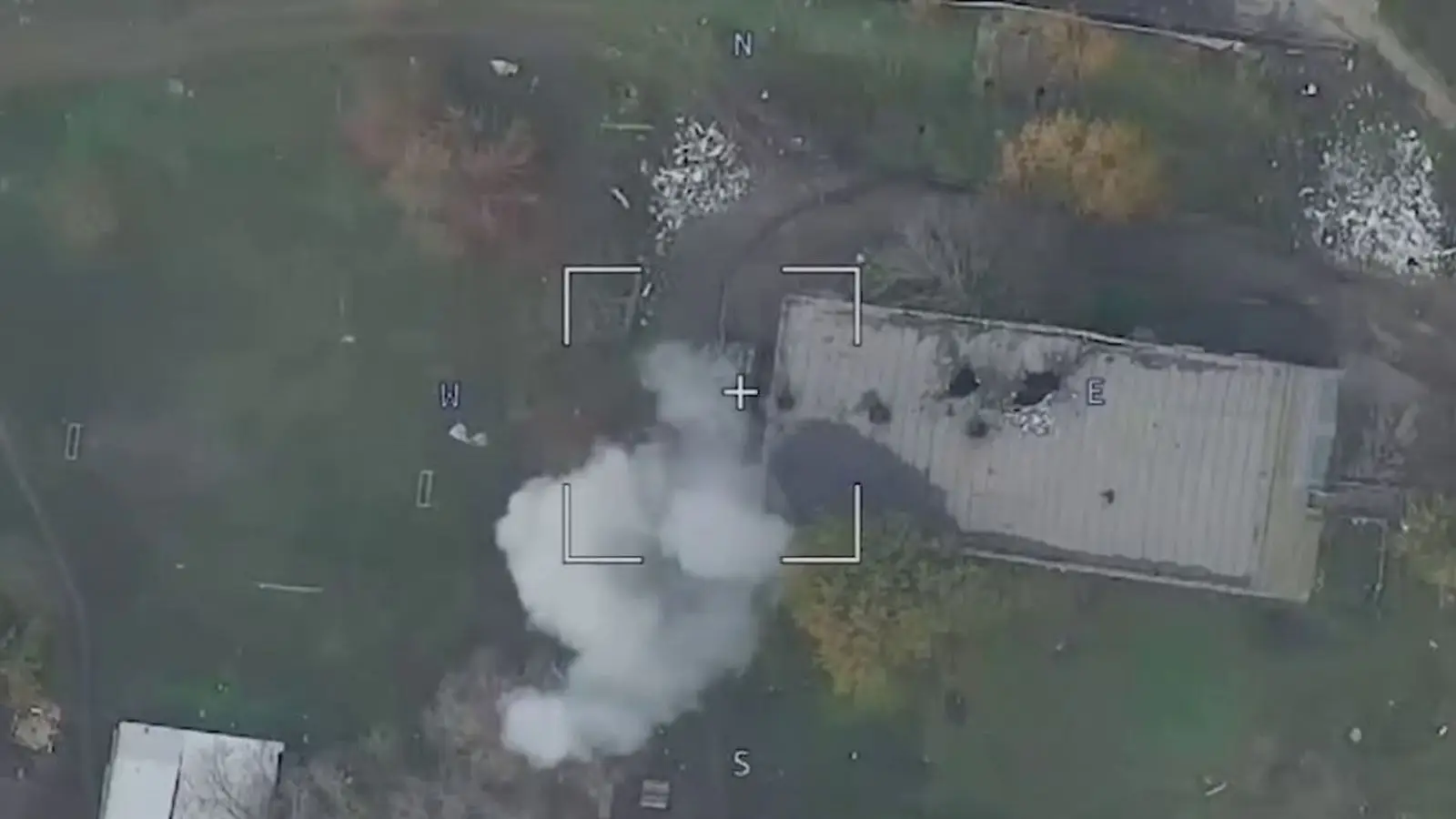

Extended-range Knyaz Vandal Novgorodsky FPV drone now operates deep in enemy rear areas, hitting artillery, logistics and conducting long-range reconnaissance.
After its operational range was extended, the fiber-optic FPV drone Knyaz Vandal Novgorodsky (KVN) has shifted from a frontline weapon to a system capable of operating deep behind enemy lines. This was explained by a drone operator known by the call sign Buratino, who described how the upgrade fundamentally changed the drone’s role on the battlefield.
According to the operator, the increase in range opened access to targets that had previously been out of reach. What were once considered safe distances for enemy assets are no longer a guarantee of protection, allowing KVN crews to strike well beyond the immediate combat zone, effectively in the opponent’s rear areas.
The most notable change, he said, concerns self-propelled artillery systems. These platforms are often deployed far from the front under the assumption that distance alone ensures their security. With the upgraded KVN, that assumption no longer holds: extended reach has turned those remote positions into viable targets.
Beyond direct strikes, the drone is increasingly used against rear infrastructure. Its employment now includes disrupting logistics by hitting supply routes, vehicles, and support hubs. Such actions, the operator noted, have a direct impact on the combat effectiveness of Ukrainian Armed Forces units operating on the front line.
The expanded range has also strengthened the drone’s reconnaissance role. Stable communications over long distances allow for detailed surveillance far from friendly positions, including in hard-to-access terrain such as dense forests, groves, and rugged landscapes.
As a result, Buratino emphasized, Knyaz Vandal Novgorodsky can no longer be described as a short-range strike drone. It has evolved into a multi-purpose system, combining reconnaissance, precision attacks, and operations against enemy rear areas within a single platform.