 © Минобороны России / mil.ru

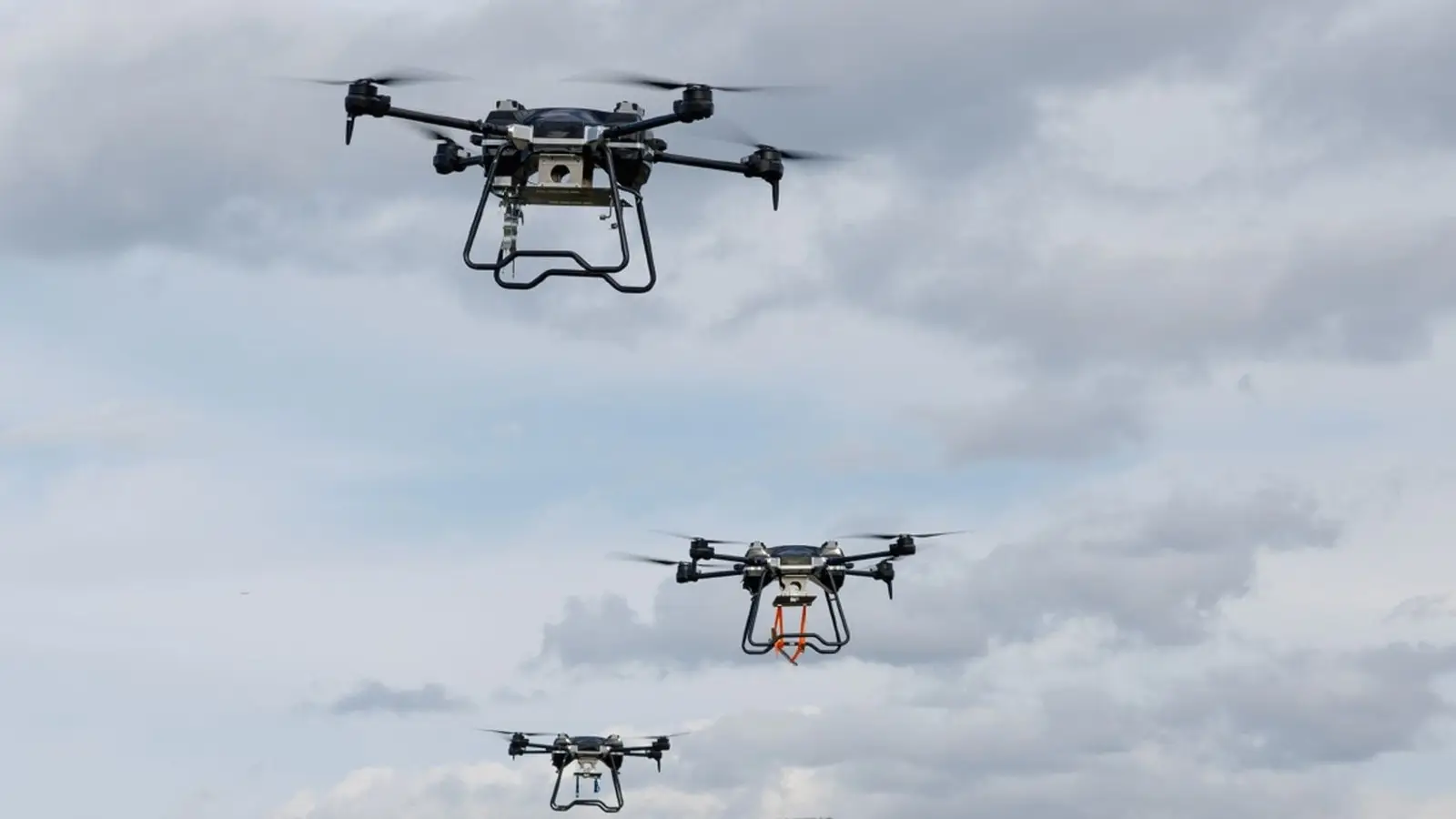
Ukrainian units on the Liman axis have been forced to keep their distance from the front line, avoiding any approach by vehicle closer than about ten kilometers. According to a Russian officer from the West group of forces, known by the call sign Pioneer, the reason is the constant presence of Russian fiber-optic FPV drones operating over the area.
Pioneer explained that the core objective is to isolate the combat zone by cutting off Ukrainian logistics and systematically targeting drone operators. Tactical UAV crews, heavy hexacopter teams operating Baba Yaga drones, and groups using kamikaze strike drones are treated as priority targets. He assessed that this approach has already produced tangible results.
As he described the situation, Ukrainian forces previously moved freely toward forward positions using cars and various types of equipment. After sustained fire pressure and the intensified use of Russian drones, that freedom of movement disappeared. The area, in his words, has been effectively sealed off, forcing Ukrainian personnel to advance on foot, typically in very small groups of one to three people moving cautiously through gaps.
At the same time, the widely circulated footage of fiber-optic drone strikes reflects only a small part of a much broader and tightly coordinated effort. Another serviceman, call sign Grom, said that every such flight depends on the work of an entire support team. Forward positions must be supplied not only with the drones themselves, but also with munitions, fuel, generators, and spools of fiber-optic cable. The cables, he noted, require especially careful handling, as even minor damage can render the system unusable.
Grom also pointed out that Ukrainian forces actively hunt Russian supply groups. To do this, they deploy drone ambushes known as «waiters,» placing UAVs along roads and paths to lie in wait for transport vehicles or infantry carrying supplies. To protect what he described as a vital lifeline, Russian troops establish aerial reconnaissance posts to intercept enemy drones, use electronic warfare systems, and maintain constant communication with logistics units. According to him, only this combination of measures makes it possible to achieve a stable and lasting effect on the battlefield.