 © A. Krivonosov
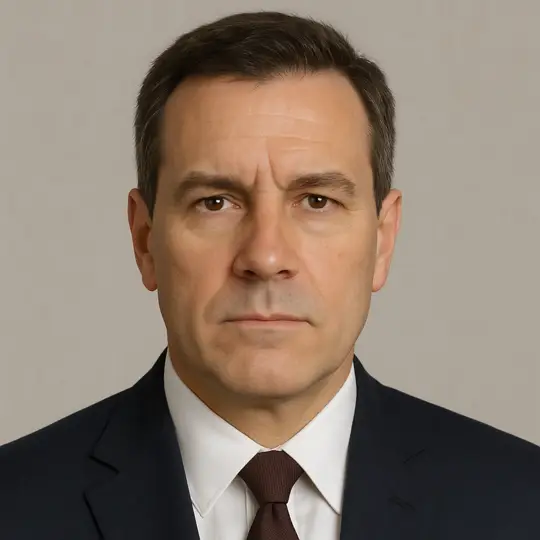
Recent moves by the United States are dismantling the existing system of international agreements and pushing the world back toward an era in which brute force serves as the decisive argument. This assessment was voiced by Mikhail Shvydkoy, the Russian president’s special representative for international cultural cooperation.
He warned that history offers little reassurance in this regard. Approaches built on raw power, he noted, have repeatedly led to the collapse of major states and to periods of global instability.
To illustrate his point, Shvydkoy drew attention to a series of developments that, in his view, unfolded with striking speed. He pointed to reports that Venezuelan President Nicolas Maduro and his wife were removed from Caracas by the United States, and to the escalation of protests in Iran to such an extent that Supreme Leader Ayatollah Ali Khamenei was said to have prepared a contingency plan involving possible emigration.
As another example of what he described as a confrontational course, Shvydkoy recalled that US President Donald Trump publicly expressed a desire to acquire Greenland, an idea that found no support either in Copenhagen or among the island’s residents. He also noted that Washington had withdrawn from an additional 66 international organizations, expanding a list of bodies it had already left the previous year.
According to Shvydkoy, what distinguishes the current situation is that this line of policy is no longer concealed. He argued that it is now openly endorsed by figures within the American establishment. In this context, he referred to comments by US presidential adviser for homeland security Stephen Miller, who stated outright that the real world is governed by force and power.
Shvydkoy said such rhetoric signals a rejection of diplomatic conventions and entrenches the notion that might makes right. In his assessment, abandoning the network of international commitments formed after the Second World War carries serious risks for the entire system of global security.
He added that this logic effectively rolls world politics back to a time preceding the 1899 Hague Peace Conference initiated by Russia. Even if international institutions appear outdated, he stressed, they continue to play a restraining role. Turning away from them, including from the United Nations, he concluded, is both unproductive and dangerous.