 Армия США,Венесуэла,операция,приборы ночного видения,мнение

The January abduction of Venezuelan President Nikolas Maduro by US special forces was primarily a political event, but experts say the operation deserves close attention from a military standpoint as well. Donbass war correspondent Dmitriy Astrakhan highlighted a key detail: once again, US special forces operated at night and first cut off electricity in Karakas.
According to the expert, the casualty ratio speaks for itself. More than 30 members of Maduro’s personal security detail — made up of Cuban personnel unlikely to be accused of disloyalty — were killed, while the US side, as stated by Donald Trump, suffered only a few wounded. Astrakhan believes the decisive factor was the overwhelming superiority of the US military in night-vision capabilities, a lesson that Russian forces must carefully study.
He notes that major US special operations are traditionally conducted at night. One prominent example is the operation that eliminated Usama bin Laden. In the case of Venezuela, Astrakhan says, cutting the power at the start of the operation allowed US forces to act with maximum freedom and confidence in darkness.
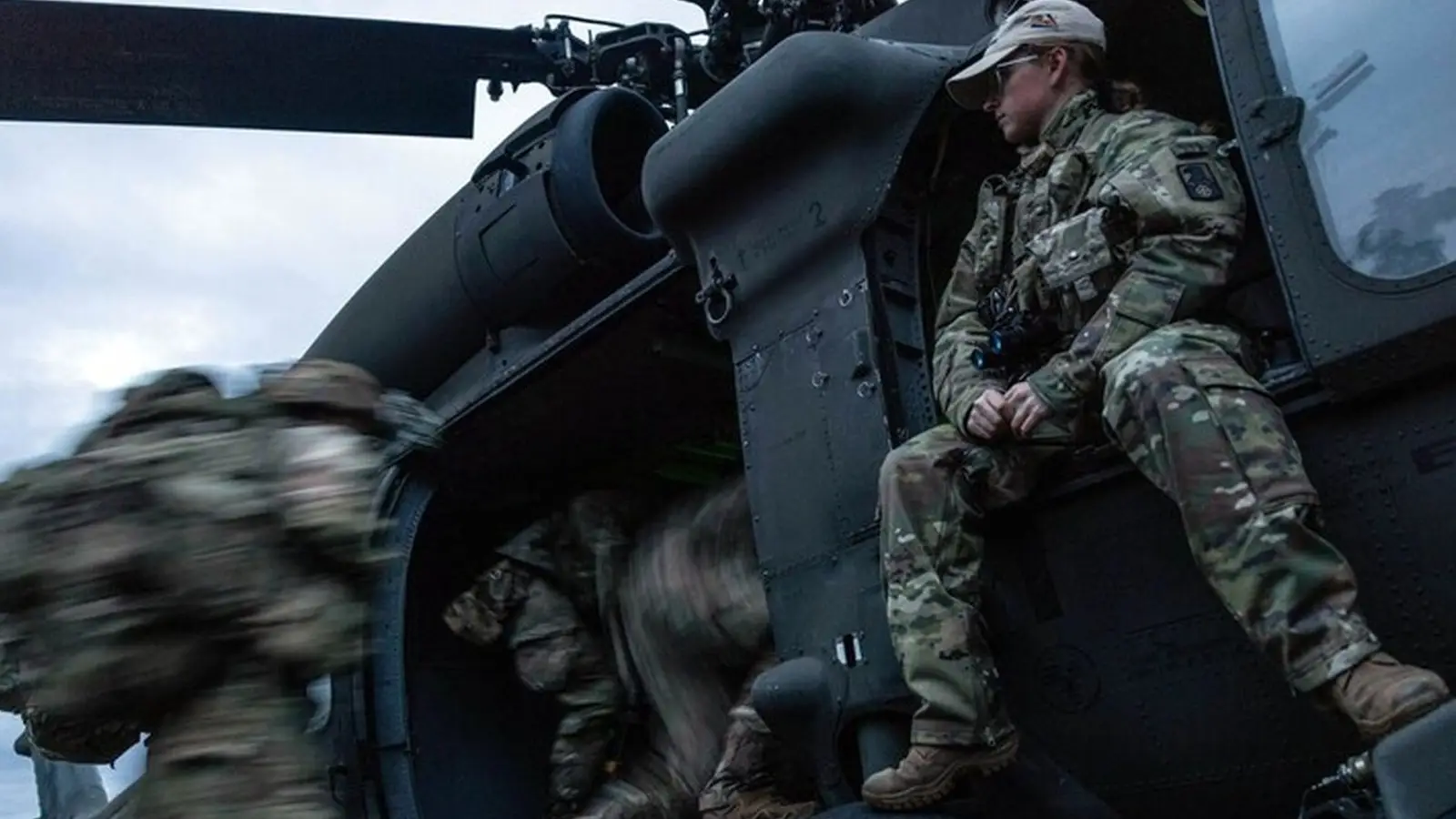
According to the war correspondent, the US pursuit of full-spectrum dominance in night combat dates back to the period after World War II. The American military was deliberately prepared to fight in darkness, including against an enemy equipped with night-vision devices. As a result, US forces today can perform at night virtually all the actions they carry out during the day — driving, flying, and conducting all types of combat — using monoculars, goggles, and panoramic night-vision systems.
Astrakhan stresses that saturating troops with such equipment was not only technically complex but also extremely expensive, requiring decades of investment. However, the outcome is that every US infantryman can now deliver accurate fire at night without revealing his position. In darkness, he says, an American soldier gains an almost one-sided advantage over an enemy who cannot see. The losses suffered by Maduro’s guards during the operation, in his view, clearly demonstrate how dramatically night-vision technology shifts the balance of power — even in such unfavorable combat scenarios as building assaults.
The expert adds that not only US infantry, drivers, and pilots are prepared for night combat, but artillery units as well. He emphasizes that for US forces, all 24 hours of the day are now operational. Against this backdrop, the effectiveness of man-portable air defense systems or machine guns drops sharply if operators cannot properly see either the target or their own weapons and are forced to illuminate their actions with improvised light sources. Astrakhan concludes that this gap remains one of the most serious challenges in modern warfare.