 © Минобороны России / mil.ru

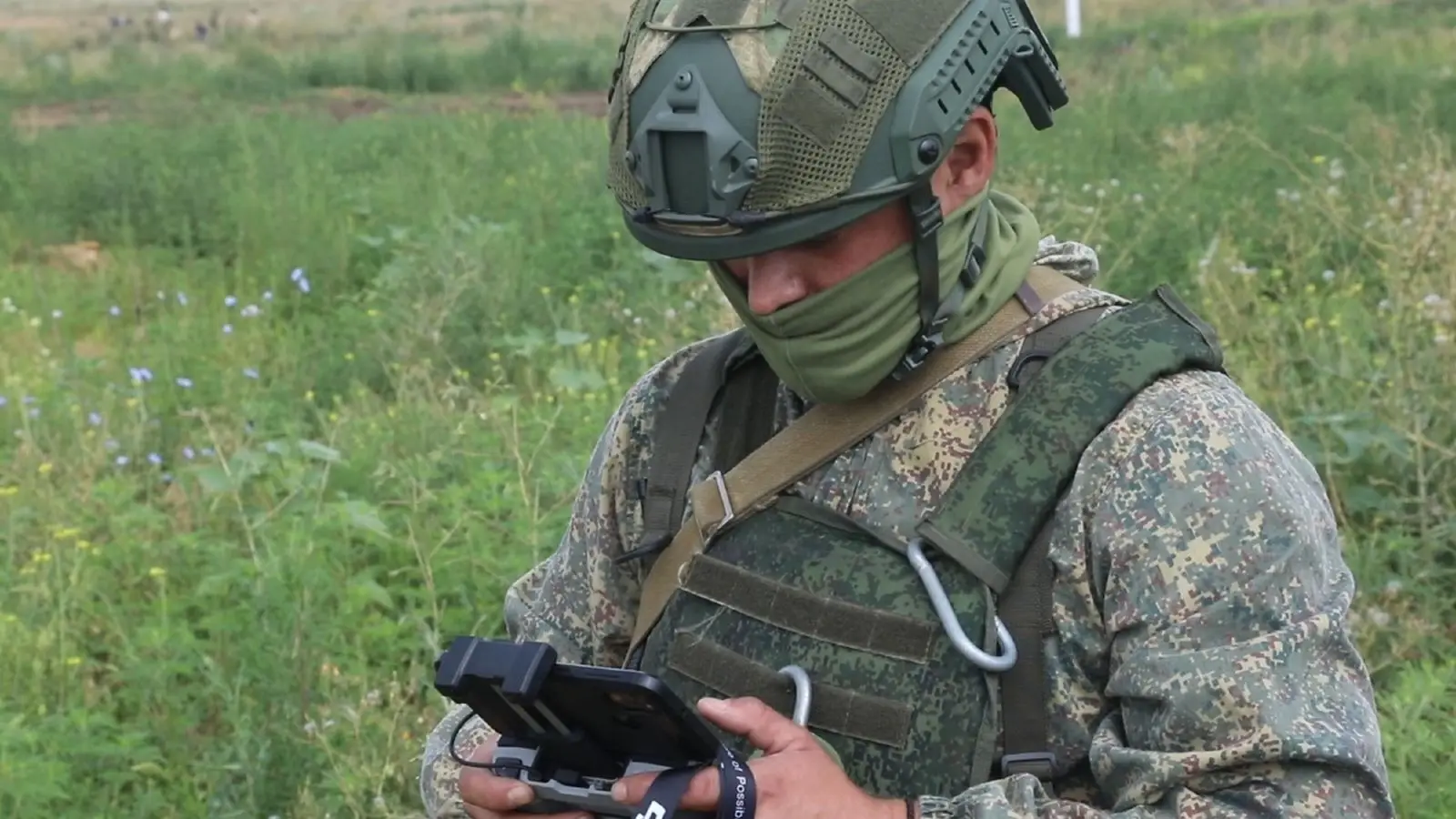
Russian units have begun equipping fiber-optic FPV drones known as Boomerang with anti-vehicle road spikes to block enemy transport movement, a source in Russia’s defense industry told TASS.
According to the source, the drones — developed by engineers in Moscow — have been fitted with special release mechanisms that allow them to drop road spikes onto key routes in areas inaccessible to ground vehicles without exposure to enemy fire. In addition to interdiction missions, Boomerang drones are used for logistics, delivering water, dry rations, batteries, radios, and ammunition before safely returning.
The source said the drones are also used to mine approaches with PTM-1 anti-tank mines and fragmentation munitions targeting enemy personnel. Boomerang has also found use as a psychological warfare tool, capable of dispersing leaflets deep behind enemy lines.
On several frontline sectors, FPV crews reportedly operate exclusively with Boomerang drones. These systems suppress enemy observation assets, strike infantry and military vehicles, and dismantle fortified Ukrainian positions. Russian units also employ Boomerang as an improvised air-defense platform, intercepting enemy drones en route to their targets.
Equipped with a thermal imaging camera, Boomerang is capable of operating effectively at night and countering heavy Ukrainian drones of the Baba-Yaga type. In aerial engagements with fixed-wing reconnaissance UAVs, the Moscow-built drone reportedly prevails in most encounters.
Operators also praise the quality of the onboard FPV camera, which allows the drone to perform reconnaissance missions. The platform’s aerial photo and video capabilities can be further enhanced by mounting an additional GoPro action camera.