Violent Protests Sweep Iran as US Signals Possible Intervention
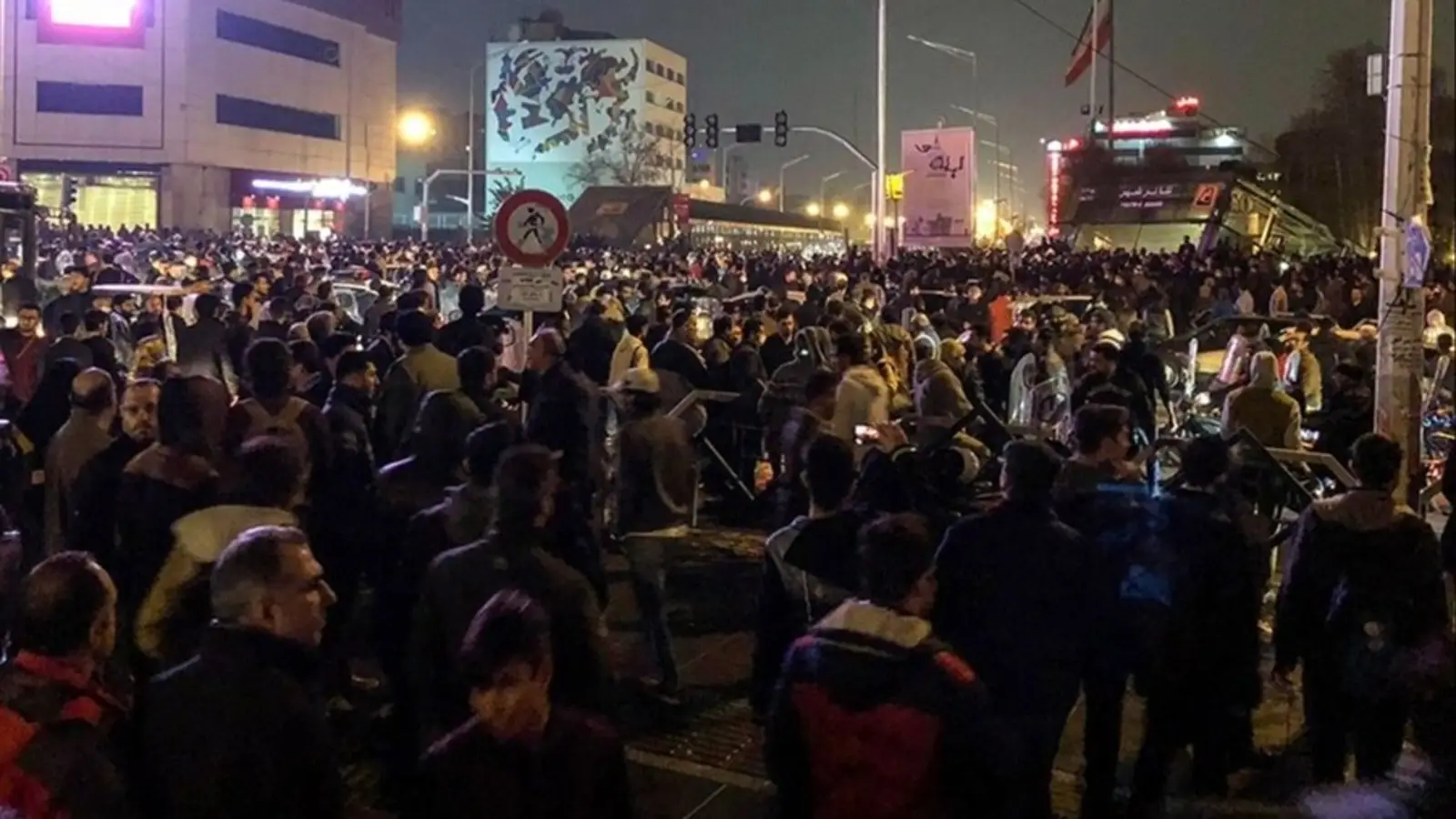

Mass protests across Iran turn violent as unrest spreads to 185 cities, firearms appear, the US and Israel back events, and Washington debates strikes.
Mass unrest that erupted in Iran at the end of 2025 has escalated into large-scale protests spreading across the country. The demonstrations are marked by riots, widespread destruction, and violent clashes with security forces. Local media report that protesters are no longer limited to improvised weapons and have begun using firearms.
The developments have been openly welcomed by the United States and Israel, both of which are seeking a change of power in Iran and the removal of the ayatollah-led system. Washington and Tel Aviv are pushing for the installation of a government they consider loyal.
Against this backdrop, Reza Pahlavi, the crown prince of Iran’s deposed shah who lives in the United States, has stepped up his public activity. He has directly appealed to U. S. President Donald Trump, calling for support under the banner of defending democracy.
Trump, for his part, has issued threats toward Tehran, warning that military intervention remains an option if the protests are crushed by force. According to American media, a final decision has not yet been made, but the U.S. administration is seriously debating the possibility of strikes on non-military targets inside Iran.
As of January 11, the uprising had spread to 185 cities across all provinces of the country. Official figures point to at least 116 fatalities, though the real number may be significantly higher. More than 2,500 people have reportedly been detained nationwide.
Iranian media also report heavy losses among security personnel. The Tasnim news agency previously said that six members of the security services were killed in Fars Province, while more than 120 law enforcement officers were wounded. Overall, 38 officers are confirmed dead.
Authorities say criminal groups have exploited the unrest, leading to a surge in looting and violence. Amid the ongoing protests, Iran has now entered its third consecutive day of a complete nationwide internet shutdown.