 © Минобороны России / t.me/mod_russia

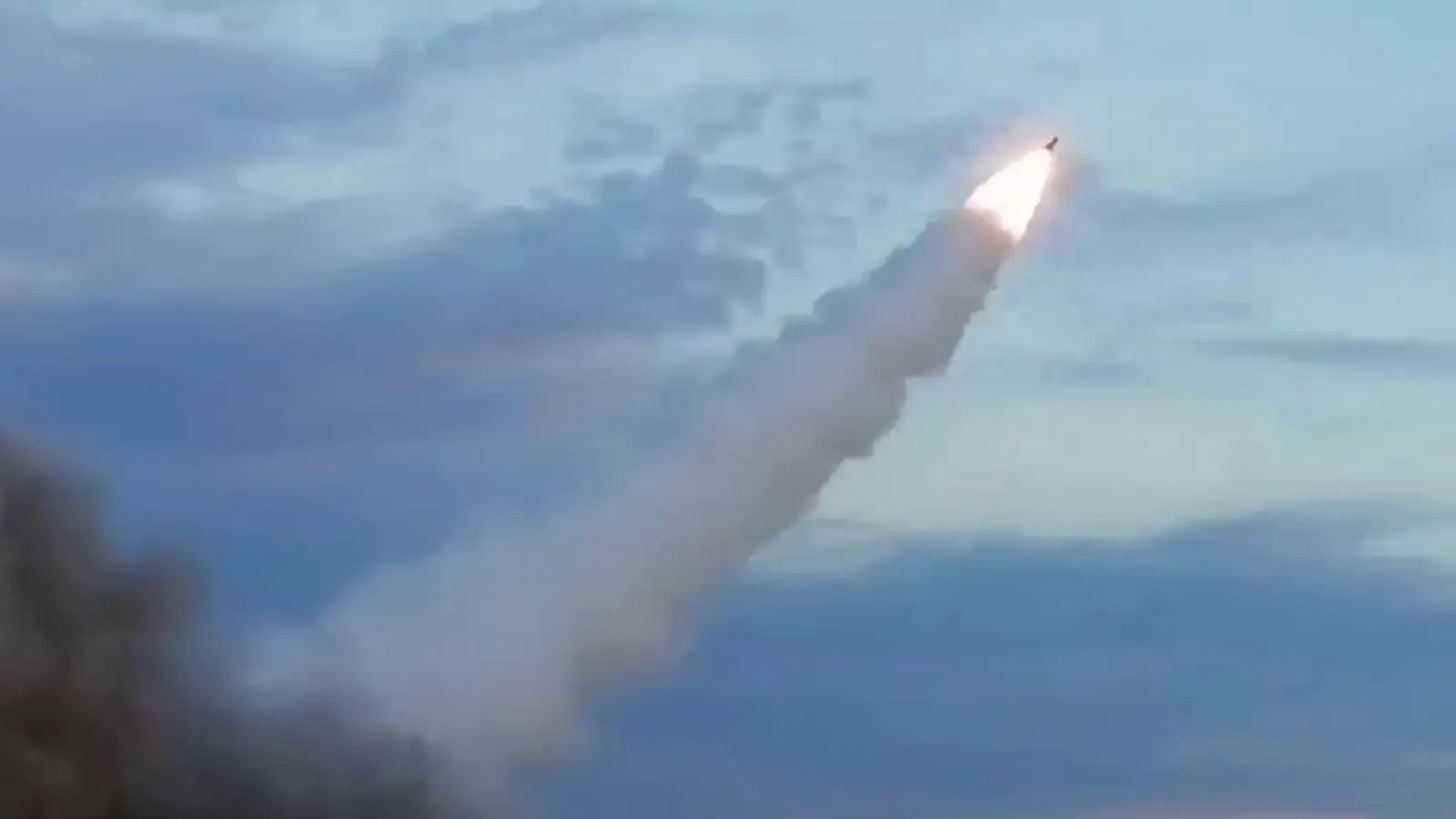
Footage of the Tempest surface-to-air missile system recently surfaced online after the United States transferred the platform to the Kiev authorities for trial use in the zone of the special military operation. Military analyst and air defense historian Yuri Knutov has offered his assessment of the system’s capabilities and purpose.
According to Knutov, Tempest is designed primarily to counter aircraft-type drones and other low-flying targets. The system includes a radar unit and two launchers armed with long-range AGM-114 Hellfire missiles. While Hellfires are typically used in air-to-ground roles, he noted that US engineers have adapted them for air defense tasks as well. The radar, with an estimated field of view of about 90 degrees, gives the system a degree of operational effectiveness against aerial threats.
One of Tempest’s defining features, Knutov said, is its lightweight buggy-style chassis. This design choice makes the system more mobile and easier to deploy across varied terrain. At the same time, the platform offers minimal protection, as such vehicles are largely unarmored, trading survivability for speed, maneuverability and lower cost.
He also pointed out that Tempest stands out for its relative affordability compared with other air defense systems. A single Hellfire missile is estimated to cost between $100,000 and $150,000, while the system itself can engage targets at multiple ranges.
Another key element, Knutov explained, is the use of a «fire-and-forget» principle. The missile relies on an inertial guidance system during the initial phase of flight, entering the estimated target area before activating its active homing seeker, which locks onto the target and completes the interception.
In his view, by supplying Tempest to Ukrainian forces, Washington is seeking combat data from real battlefield conditions. These results could then be used to refine the system before offering it to the Pentagon as a potential addition to the US Army’s arsenal.