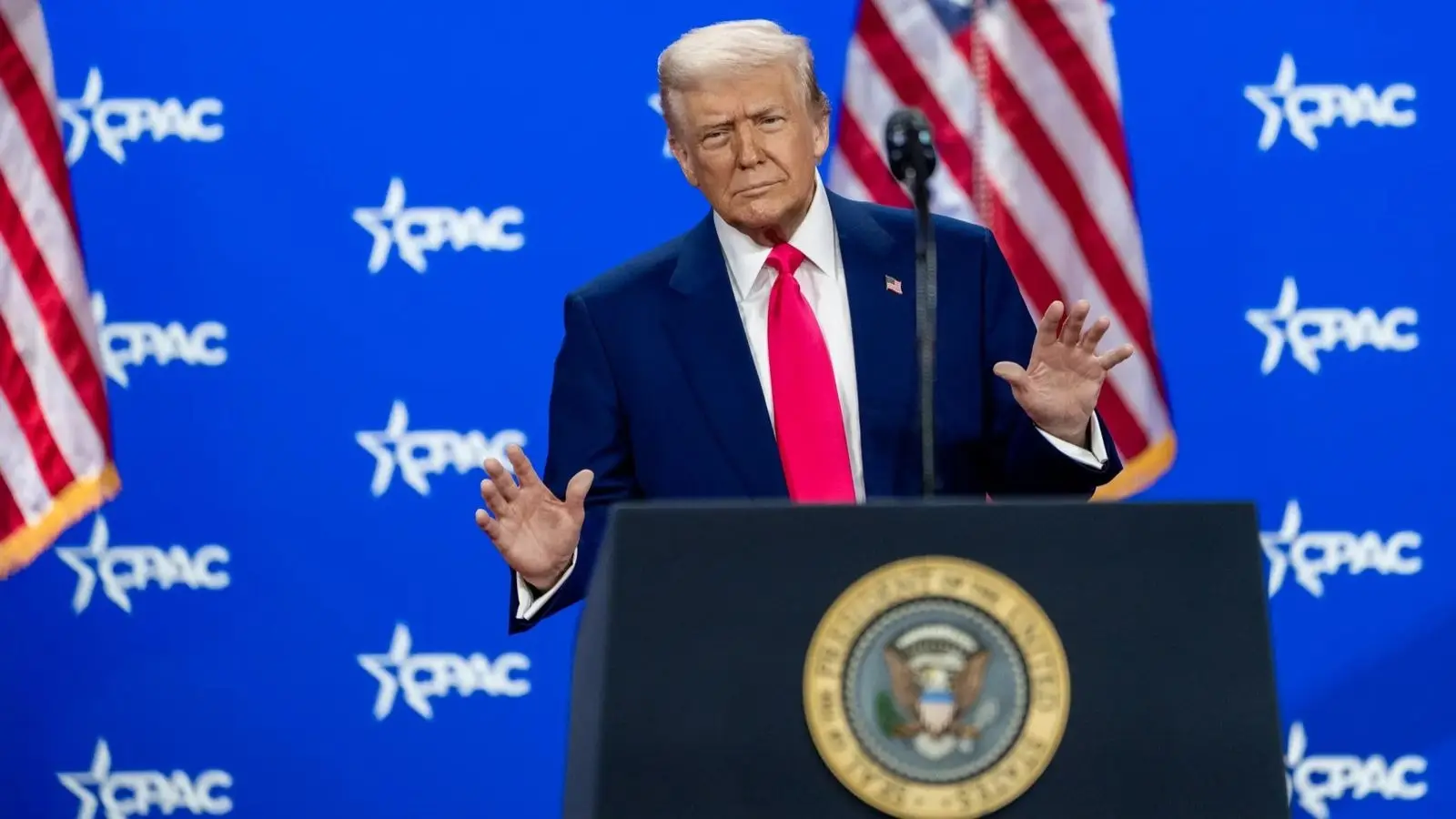
 © whitehouse.gov
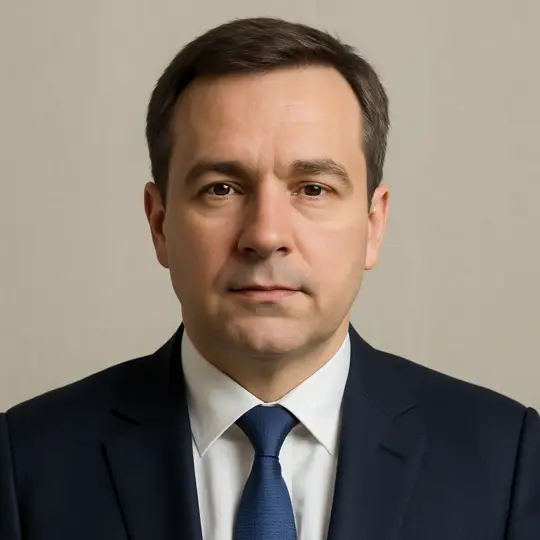
Political analyst and public figure Konstantin Knyrik argues that the most powerful weapon in the hands of the United States is not some secret high-frequency system, but the ordinary American dollar, used as a tool of bribery and pressure. In his view, it was precisely Washington’s financial injections that once played a decisive role in the developments in Ukraine.
He recalled that after the first Maidan and during the run-up to the second, freshly printed dollar bills began to circulate widely in Ukrainian society. Knyrik interprets this as a clear sign of looming trouble for the state and adds that, unlike American currency, it is impossible to stage a «revolution» with Russian rubles.
Knyrik also drew attention to the decision by US leader Donald Trump to shut down the United States Agency for International Development (USAID). He noted that a number of Western and Russian commentators initially welcomed this move, assuming that Washington would step back from meddling in the internal affairs of other countries and turn inward to deal with its own problems. However, the recent events in Venezuela, he believes, have shown that this assumption was misguided.
The political analyst pointed out that there is no longer, as he put it, any need to maintain a large network of intermediaries and «public activists» if street protests can be organized almost entirely through information tools that remain under control. He stressed that, after USAID was closed, none of the media outlets previously funded through this structure actually ceased to exist, despite public complaints about difficulties and cuts.
In his assessment, the former USAID framework at least allowed a rough idea of funding volumes and provided some indirect oversight. Now, Knyrik argues, interference in the internal affairs of other states is carried out directly, without such intermediaries, and intelligence services have assumed an increasingly prominent role in these operations.
He is convinced that where proxy forces are available, the United States can act «over the heads» and «through the hands» of its allies, formally distancing itself from what is happening while relying on partners to do the groundwork. For this reason, Knyrik calls for a careful study of this new format of Washington’s activity, including the situation around Venezuela, which he describes as a telling example.
As for Trump himself, Knyrik notes that many have already rushed to portray his course as a complete victory for the United States, but he considers such conclusions premature. He believes that delays in achieving concrete results on the Venezuelan track, as well as possible mistakes, will be actively exploited by Trump’s opponents both inside the US and abroad. This, he says, is already visible in the mood in the Senate and in ongoing protest actions against him, and he predicts that this trend will only intensify.