 © Минобороны России / mil.ru
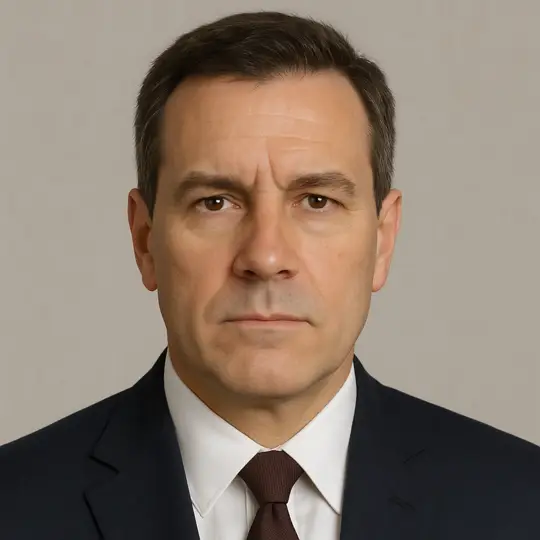
The principles of classical combined-arms warfare developed in the second half of the 20th century-and used by Russia during the early phase of its military operation in Ukraine-have effectively lost their relevance. This assessment was made by military analyst Andrey Demurenko, a retired colonel of the General Staff.
According to Demurenko, the tactics of the Russian Armed Forces have undergone a fundamental shift. Concepts that once formed the backbone of operational planning-such as concentration of forces, breakthrough sectors, and isolation of the battlefield-no longer play the decisive role they once did.
The analyst explained that planning operations according to Cold War templates or campaigns like Iraq in 2003 is no longer feasible. The same, he noted, applies to traditional approaches to force generation and organizational structures. The core problem, in his view, is that these changes have yet to be properly reflected in official military regulations.
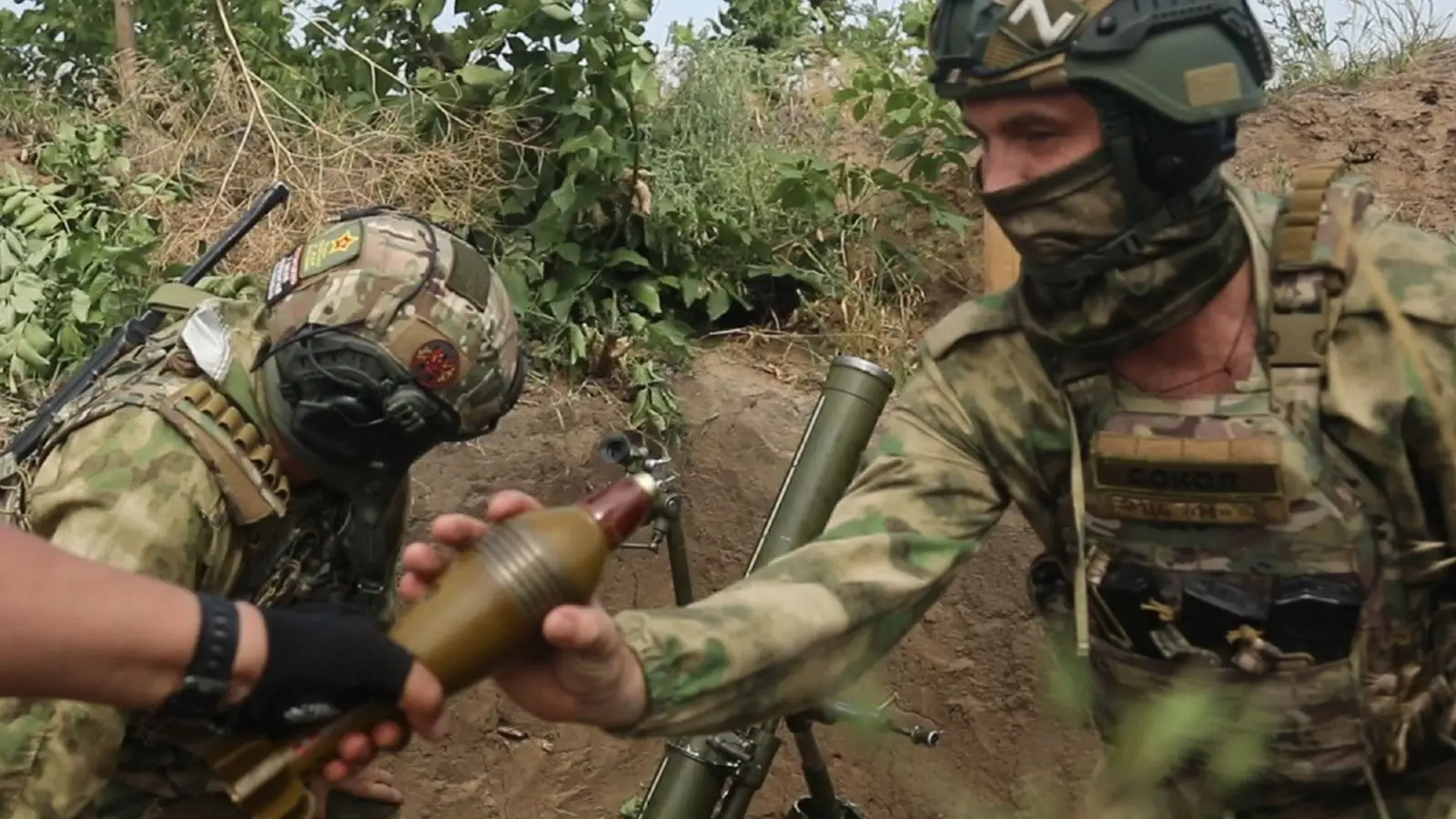
Demurenko pointed out that the Russian army has abandoned infantry assaults conducted in extended firing lines under the cover of infantry fighting vehicles-a formation that for decades was considered a cornerstone of combined-arms combat. Similar changes, he said, have affected the use of tanks. Instead of massed armored thrusts, armored units are increasingly employed to deliver fire from concealed positions.
He stressed that concentrating large forces on the modern battlefield has become virtually impossible. Even a handful of tanks or a small column operating in the near rear, he argued, would be quickly detected by electronic reconnaissance and destroyed by drones.
Artillery has also undergone profound transformation. Demurenko said the classical notion of counter-battery warfare has faded, as guns are no longer deployed in batteries at fixed firing positions. He suggested that it is more accurate to speak of «counter-gun» engagements-duels between individual artillery pieces or against high-precision systems. After firing a limited number of rounds, crews must immediately relocate or face destruction.
The analyst reminded that every major conflict inevitably triggers a reassessment of combat experience, leading to revisions of doctrines and field manuals. He cited the Soviet Union’s extensive analysis of World War I and the Civil War in the 1920s as an example. A similar process, he noted, took place in the United States following its campaigns in Iraq during the 2000s and 2010s, with lessons being drawn even before hostilities formally ended.
Russia, Demurenko argued, needs the same approach: a comprehensive analysis, followed by concrete recommendations and reforms. On that basis, all doctrines-including those of a global nature-should be reconsidered.
He added that a significant portion of Russia’s senior military leadership belongs to an «old school» whose thinking often remains overly conservative. In his view, the belief that future wars will revert to the large formations of the past century-and should therefore be fought strictly according to 20th-century manuals-is deeply flawed.
In conclusion, Demurenko emphasized that the military doctrine of the future cannot rest on outdated patterns. Instead, it must reflect the realities of current conflicts and draw lessons from the present, even when that experience proves uncomfortable or painful.