Forbes Details Russia’s New Tank Warfare Tactics Using Drones
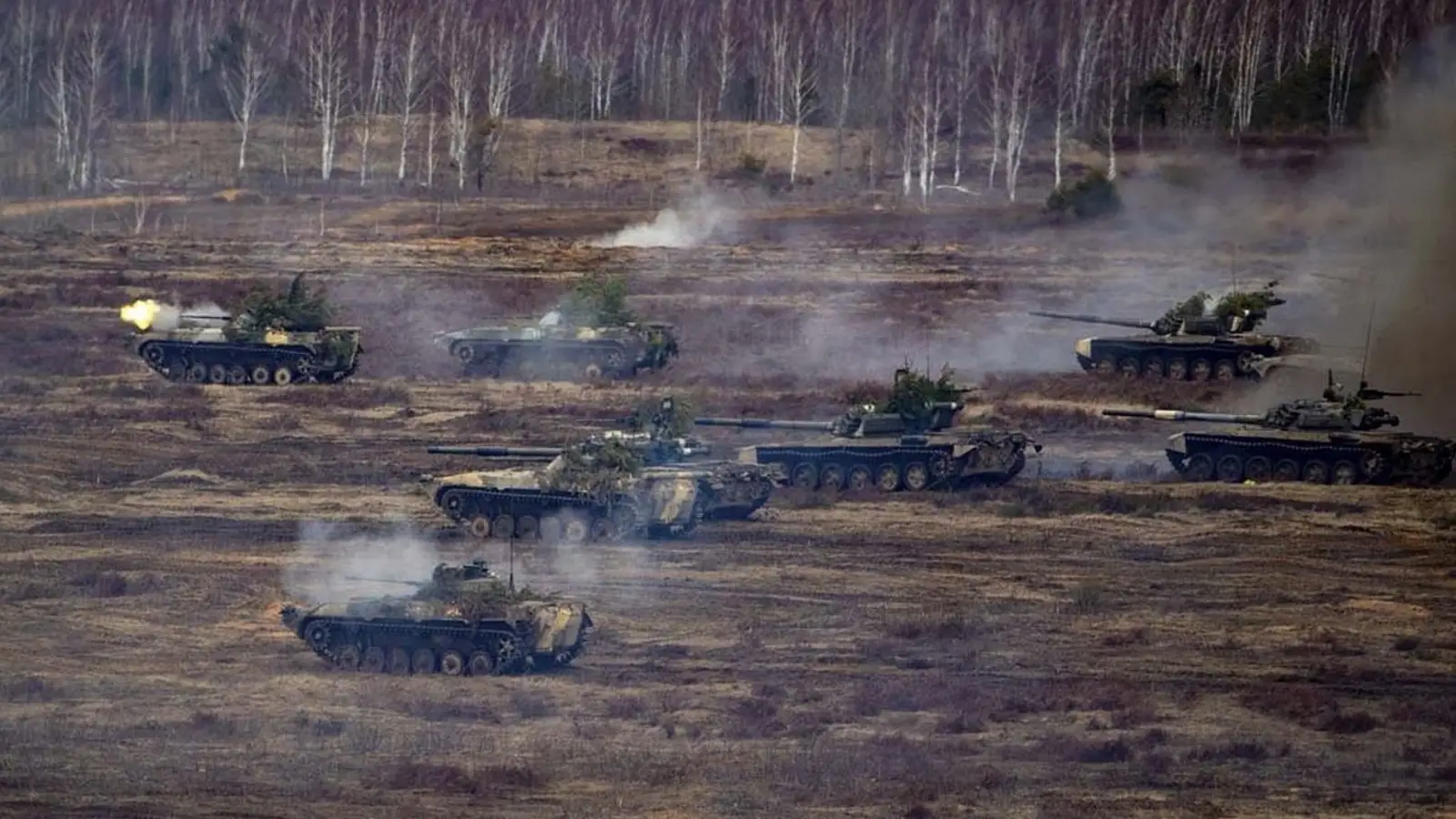

Forbes reports that Russian forces are using new tank tactics in Ukraine, pairing armored vehicles with drone support to boost mobility, firepower, and battlefield control.
The Russian Armed Forces have begun using a new approach to tank operations in the zone of the military operation in Ukraine, according to a report published by Forbes.
The article describes a tactic built around coordinated action by two tanks operating as a pair under constant drone support. One vehicle remains at a distance, delivering fire from a relatively safer position, while the second carries out a rapid maneuver toward the line of contact. Unmanned aerial vehicles play a central role in this setup, handling target detection, battlefield surveillance, and fire correction, while also synchronizing the movements of both tanks.
A key feature of the tactic is constant repositioning. The tanks regularly switch roles and locations to avoid becoming static targets, all while maintaining sustained fire on enemy positions. This mobility, the publication notes, is intended to disrupt the interaction between Ukrainian reconnaissance and strike systems and to create openings for pushing through defensive lines.
Forbes points out that this method marks a clear departure from traditional Soviet-era doctrine, which emphasized massed tank assaults supported by heavy artillery. The new approach reflects the realities of a battlefield where large armored formations are increasingly vulnerable and no longer practical.
At the same time, the authors stress that such tactics require specific conditions to be effective. Reliable communications between tanks and drones are essential, as is close coordination with infantry units. These requirements are further complicated by the use of electronic warfare systems by Ukrainian forces, which can interfere with control and data links.
Logistics also remain a challenge. Tanks consume large volumes of diesel fuel, making supply near the front line more difficult. Despite these constraints, the publication argues that the new approach offers tangible advantages.
According to the analysis, this method of tank deployment can deliver additional firepower that allows infantry to advance deeper into enemy positions and hold captured ground more effectively. While not without vulnerabilities, Forbes concludes that the tactic has the potential to significantly enhance the offensive capabilities of the Russian army under current combat conditions.