Russian-Supplied Air Defenses Failed During U.S. Operation in Venezuela
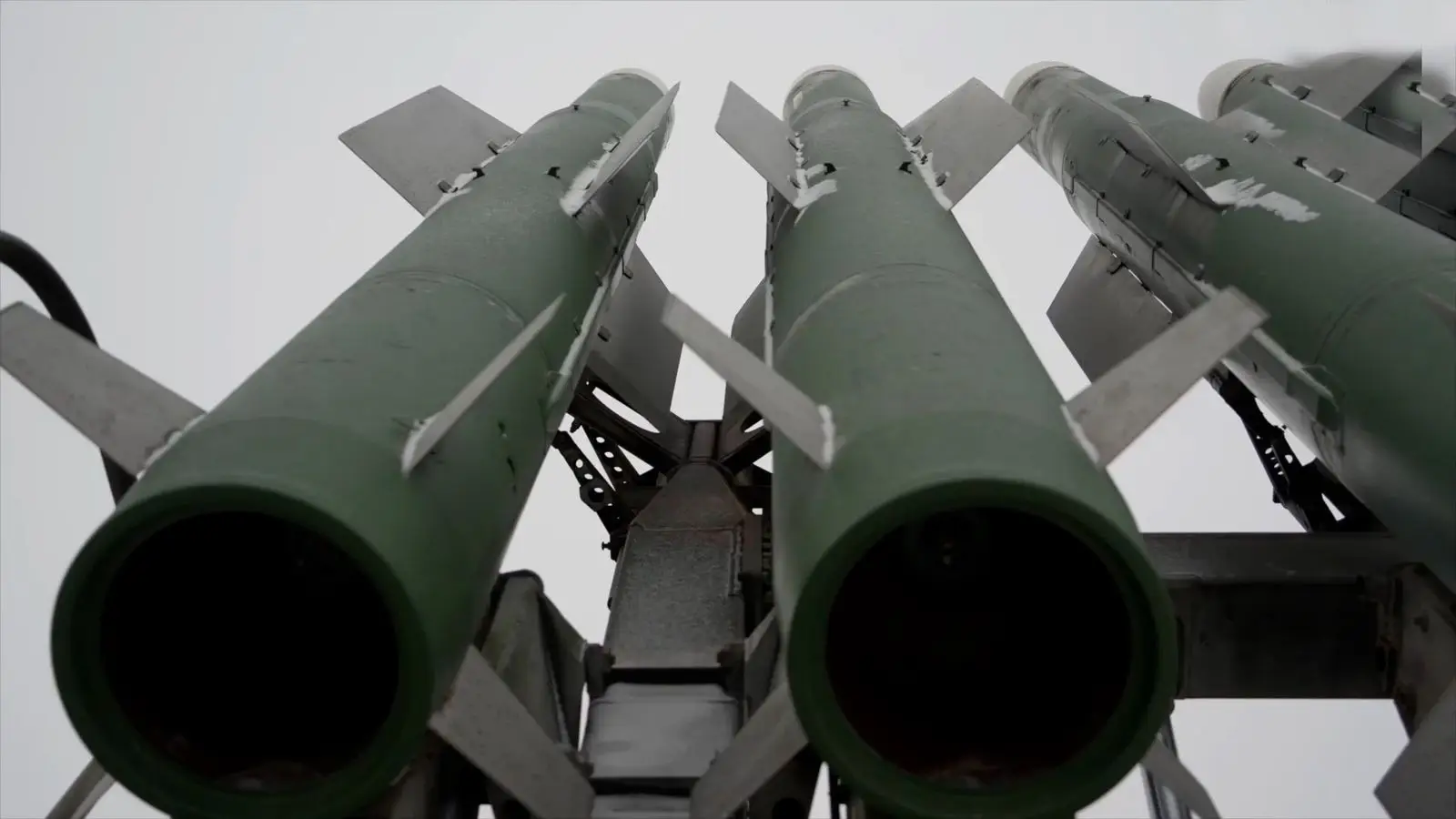

Russian-made air defense systems in Venezuela were not operational during a U.S. military operation, allowing American forces to act without resistance, reports say.
Russian-made air defense systems supplied to Venezuela were effectively offline during a recent U.S. military operation that resulted in the capture of President Nicolas Maduro, according to a report by The New York Times, citing American officials and defense analysts.
The newspaper notes that Venezuela purchased a range of Russian air defense assets as early as 2009, including Buk-M2 missile systems and S-300 complexes. However, sources cited by the NYT say Caracas failed to establish proper operation and long-term maintenance of this equipment.
The problems stemmed from a shortage of trained personnel and the incomplete readiness of the hardware itself. Some air defense components had never been fully commissioned by the time the U.S. operation began, despite repeated warnings that an attack was possible. As a result, the decisive factor behind Washington’s success, according to the report, was the lack of professionalism within the Venezuelan military rather than the absence of advanced weapons.
Former CIA station chief in Venezuela Richard de la Torre told the newspaper that years of corruption, weak logistics, and international sanctions had severely undermined the combat readiness of the country’s air defense network.
An analysis conducted by the NYT, based on photographic evidence, video footage, and satellite imagery, showed that parts of Venezuela’s air defense infrastructure were still sitting in storage facilities during the operation and had not been brought to combat readiness.
According to the paper’s sources, the missile systems were not integrated into a unified network and may not have functioned for years. When U.S. forces launched their strike, the air defense units were essentially absent from the battlefield and played no meaningful role in countering the attack.